The Fertility Diet: What to Eat When You're Trying to Conceive
A nutritionist's evidence-based guide to eating for fertility — plus a 7-day meal plan you can start today

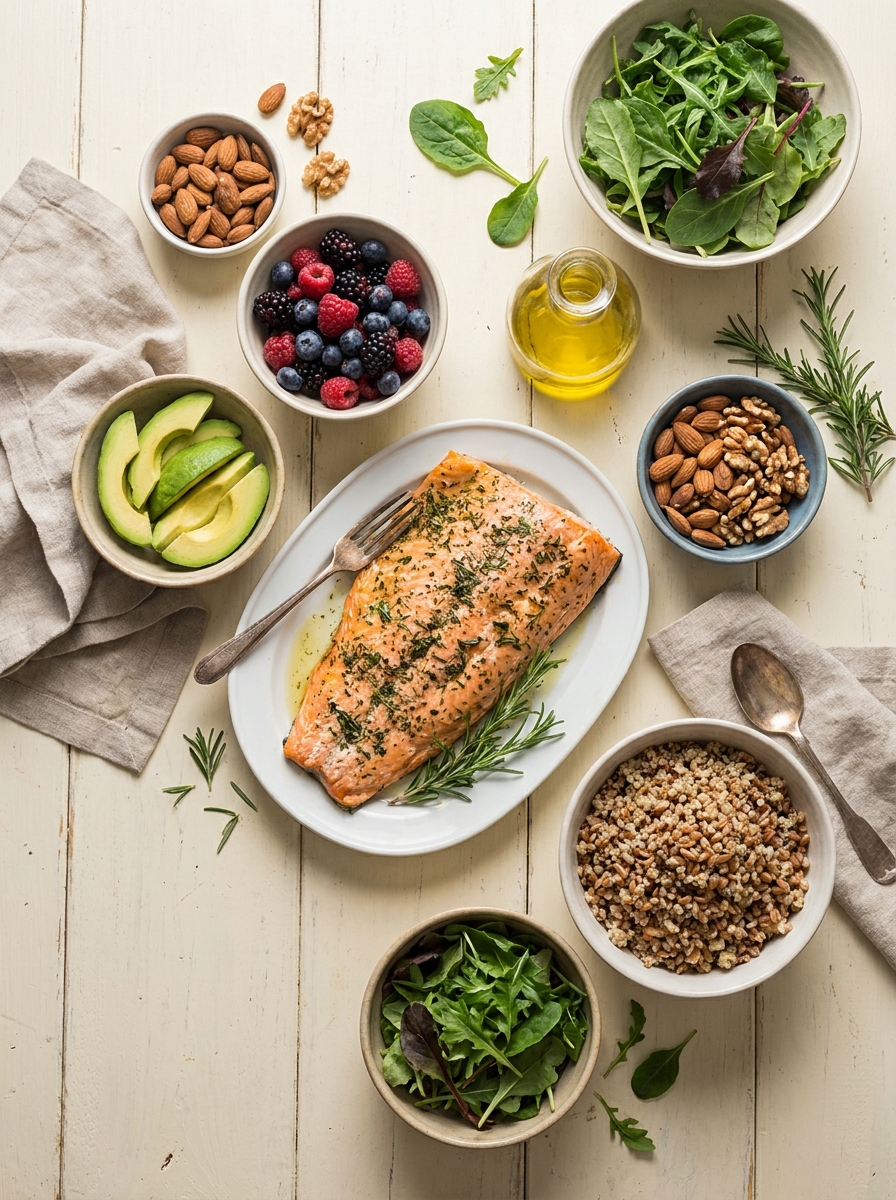
I get asked this question almost daily: "What should I eat to get pregnant?" And my answer is always the same — not a miracle superfood, not a restrictive protocol, but a pattern of eating that gives your body the raw materials it needs for hormonal balance, egg quality, and a healthy uterine environment.
As a registered nutritionist, this is my bread and butter (pun intended). The evidence on diet and fertility is genuinely strong — stronger than for most supplements. Let me walk you through exactly what the research says, and give you a practical 7-day plan you can actually follow.
🔑 Key Takeaways
- The Mediterranean diet has the strongest fertility evidence — Karayiannis et al. (2018) found 2.6x higher live birth rates in IVF patients with high Mediterranean diet adherence.
- Chavarro's "Fertility Diet" study showed 66% lower risk of ovulatory infertility with specific dietary patterns: more plant protein, full-fat dairy, iron-rich foods, and less trans fats and sugar.
- Both partners' diets matter — sperm quality is affected by diet too. This is a team effort.
- Don't go restrictive — fertility diets should add nourishment, not create stress. No food is "bad." Some choices are just better for your hormones.
- Start 3-6 months before trying — eggs take about 90 days to mature. What you eat today affects the eggs you'll ovulate in three months.
The Science: How Diet Affects Fertility
Your reproductive system doesn't operate in isolation — it's deeply connected to your metabolic health, inflammation levels, and hormonal balance. The food you eat directly influences all three.
Blood sugar and insulin — every time you spike your blood sugar, your body releases insulin. Chronically elevated insulin disrupts ovulation, increases androgen production, and can contribute to conditions like PCOS. Stable blood sugar = stable hormones.
Inflammation — chronic low-grade inflammation (driven by processed foods, excess sugar, and omega-6 heavy diets) can impair implantation, reduce egg quality, and affect sperm DNA integrity. Anti-inflammatory eating patterns improve the reproductive environment.
Micronutrient status — your body needs specific vitamins and minerals at specific stages: folate for DNA synthesis, iron for ovulation, zinc for cell division, omega-3 for hormone production, vitamin D for implantation. Deficiencies in any of these can impair fertility.
Let me put some numbers on this. Folate (or its synthetic form, folic acid) is the single most studied nutrient in fertility. The NHS recommends 400mcg daily for women trying to conceive, and a Cochrane review (De-Regil et al., 2015) confirmed that periconceptional folic acid supplementation reduces neural tube defects by up to 70%. But folate does more than protect a future pregnancy — a landmark study in Fertility and Sterility found that women with higher dietary folate intake had significantly better oocyte quality during IVF (Gaskins et al., 2014). Iron, zinc, vitamin D, and omega-3 fatty acids all play similarly important roles in egg maturation, implantation, and early embryo development.
The "Fertility Diet" — Chavarro's Landmark Study
In 2007, Jorge Chavarro and colleagues at Harvard published a study in Obstetrics & Gynecology that followed over 17,000 women in the Nurses' Health Study. They identified six dietary factors associated with lower risk of ovulatory disorder infertility:
- More plant protein (beans, lentils, nuts, tofu) — replacing just 5% of calories from animal protein with plant protein cut infertility risk by more than 50%
- More monounsaturated fats (olive oil, avocado, nuts) and fewer trans fats
- More high-fibre, low-GI carbohydrates (whole grains, vegetables) and fewer refined carbs
- More iron from plant sources (spinach, lentils, fortified cereals)
- Full-fat dairy — one serving per day was associated with lower infertility risk compared to low-fat dairy (this surprised many people)
- Less sugar — particularly sugar-sweetened beverages
Women who followed five or more of these factors had a 66% lower risk of ovulatory infertility compared to those following none.
The Mediterranean Diet and IVF Success
Karayiannis et al. (2018) studied women undergoing IVF in Greece and found that those with the highest Mediterranean diet adherence had significantly higher clinical pregnancy rates (RR 1.98) and live birth rates (RR 2.64) compared to those with low adherence. The effect was strongest in women under 35.
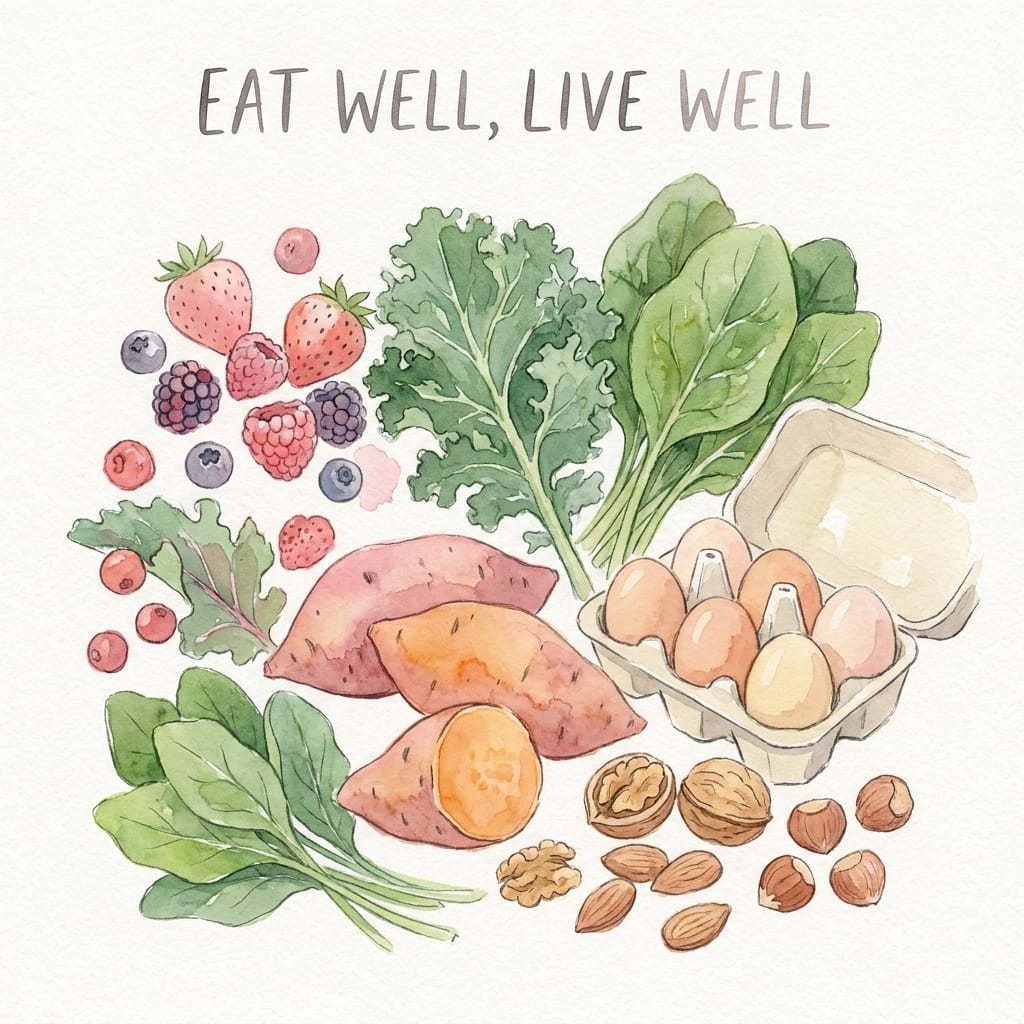
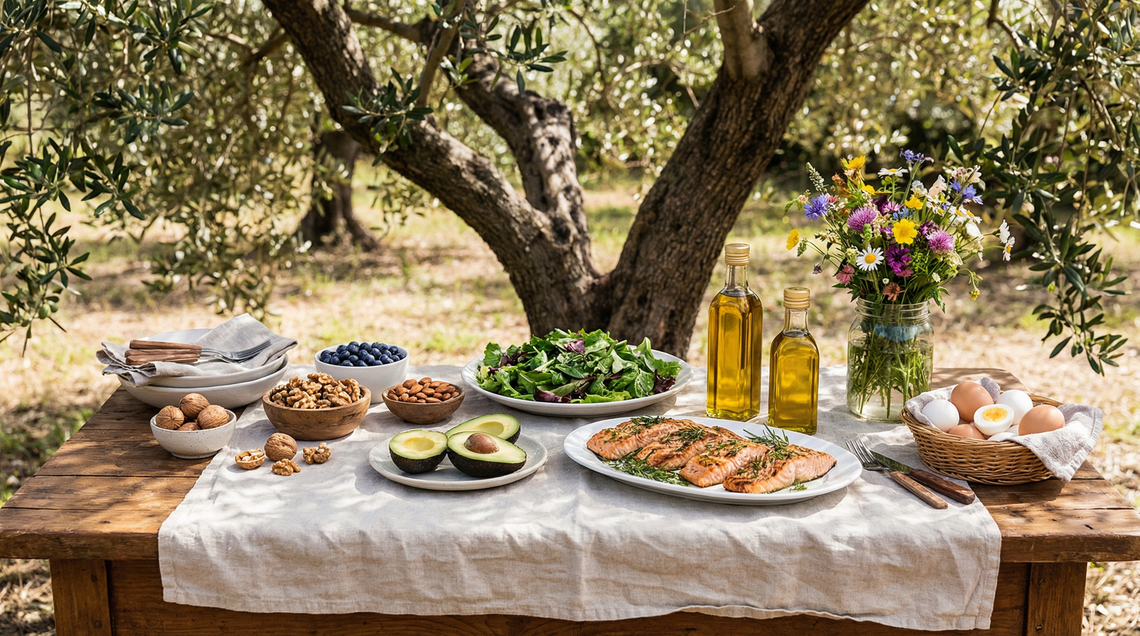
What does a Mediterranean diet look like? Lots of vegetables, fruits, legumes, whole grains, fish, olive oil, and moderate amounts of dairy and red wine. It's naturally anti-inflammatory, rich in antioxidants, and provides the healthy fats your hormones need.
A 2023 meta-analysis published in Nutrients pooled data from multiple studies and confirmed that adherence to Mediterranean and "prudent" dietary patterns was associated with improved fertility outcomes, including shorter time to pregnancy.
The 7-Day Fertility Meal Plan
This is a practical plan based on the evidence above. It's not a diet — it's a way of eating that supports your reproductive health. Adjust portions to your appetite, and swap meals around freely.
Day 1
Breakfast: Greek yoghurt (full-fat) with walnuts, berries, and a drizzle of honeyLunch: Lentil soup with whole grain bread and a mixed leaf salad with olive oil dressingDinner: Baked salmon with roasted sweet potatoes and steamed broccoliSnack: Hummus with carrot sticks
Day 2
Breakfast: Overnight oats with chia seeds, banana, and almond butterLunch: Chickpea and avocado salad with feta, cherry tomatoes, and lemon dressingDinner: Chicken stir-fry with mixed vegetables and brown riceSnack: A small handful of Brazil nuts (excellent selenium source — 2-3 nuts per day is enough)
Day 3
Breakfast: Scrambled eggs (organic) on whole grain toast with sautéed spinachLunch: Quinoa bowl with roasted vegetables, halloumi, and tahini dressingDinner: Sardines on toast with a big mixed saladSnack: Apple slices with almond butter
Day 4
Breakfast: Smoothie bowl — spinach, frozen berries, banana, full-fat yoghurt, flaxseedLunch: Minestrone soup with cannellini beans and parmesanDinner: Baked cod with roasted Mediterranean vegetables and couscousSnack: Dark chocolate (85%+) and a few walnuts
Day 5
Breakfast: Full-fat natural yoghurt with granola and sliced peachesLunch: Tuna and white bean salad with olive oil, lemon, and rocketDinner: Turkey meatballs with wholemeal pasta and tomato sauceSnack: Edamame with sea salt
Day 6
Breakfast: Poached eggs with avocado on rye breadLunch: Red lentil dhal with brown rice and a dollop of full-fat yoghurtDinner: Mackerel with roasted beetroot, goat's cheese, and walnutsSnack: Trail mix (almonds, pumpkin seeds, dried apricots)
Day 7
Breakfast: Banana pancakes (egg + banana) with berries and a drizzle of maple syrupLunch: Falafel wrap with hummus, pickled cabbage, and mixed leavesDinner: Slow-cooked lamb with roasted root vegetables and greensSnack: Cottage cheese with cucumber
🍎 Go Organic With the Dirty Dozen
These twelve fruits and vegetables carry the heaviest pesticide loads. I tell all my clients: if you can only afford to go organic on some things, make it these. The rest you can buy conventional and wash well.
The list: Strawberries, spinach, kale/collard/mustard greens, peaches, pears, nectarines, apples, grapes, bell & hot peppers, cherries, blueberries, green beans (EWG, 2025).
What to Cut Back On (Not Eliminate)
I don't believe in banning foods — that creates stress, and stress isn't great for fertility either. But these are worth reducing:
- Trans fats — found in some processed foods, fried foods, and margarine. Chavarro's study found that even 2% of calories from trans fats doubled ovulatory infertility risk.
- Sugar-sweetened beverages — linked to longer time to pregnancy in multiple studies. Swap for water, herbal tea, or sparkling water with fruit.
- Excess refined carbohydrates — white bread, white pasta, pastries. Choose whole grain versions instead.
- Excessive alcohol — moderate drinking (1-2 per week) is probably fine, but heavy drinking is clearly harmful for both egg and sperm quality.
- Excessive caffeine — keep it under 200mg/day (about one to two cups of coffee). Evidence on moderate caffeine is mixed, but high intake is associated with longer time to pregnancy.
The common thread with all these foods is insulin. Every time you eat refined sugar or white flour, your blood sugar spikes, your body releases insulin, and that insulin surge disrupts the delicate hormonal balance your reproductive system needs. Chronically elevated insulin is one of the key drivers of PCOS-related infertility, and even in women without PCOS, insulin resistance has been linked to poorer egg quality and lower IVF success rates (Diamanti-Kandarakis & Dunaif, 2012). You don't need to be perfect — the occasional takeaway or Friday night wine won't derail months of good nutrition. It's the daily pattern that matters.
For Both Partners
Diet affects sperm quality too. The same principles apply: more antioxidants, healthy fats, and whole foods; fewer processed foods and trans fats. A Mediterranean diet pattern has been associated with better sperm concentration, motility, and morphology in men. See my article on sperm morphology for more on male fertility nutrition.
A 2020 meta-analysis in Reproductive BioMedicine Online found that men who ate a 'prudent' diet (rich in fish, chicken, fruit, vegetables, and whole grains) had 65% higher sperm concentration and better motility compared to those on a 'Western' diet. Walnuts deserve a special mention — a randomised trial by Robbins et al. (2012) showed that 75g of walnuts daily for 12 weeks improved sperm vitality, motility, and morphology. The nutrients that matter most for sperm health are zinc (found in oysters, red meat, and pumpkin seeds), selenium (Brazil nuts are the richest source — just 2-3 nuts a day gives you what you need), and omega-3 fatty acids (salmon, mackerel, sardines).
If you're a couple trying to conceive, making dietary changes together isn't just more effective — it's easier. Sharing meals, cooking together, and supporting each other through the transition makes the whole process less daunting. And honestly, the Mediterranean diet doesn't feel like a sacrifice. It's delicious food, eaten slowly, with people you love. That's not a prescription — it's a pleasure.
The Bottom Line
The fertility diet isn't a gimmick — it's one of the most evidence-supported interventions you can make. The Chavarro study, the Karayiannis IVF research, and multiple meta-analyses all point in the same direction: a Mediterranean-style, whole-foods diet rich in plant protein, healthy fats, and complex carbohydrates gives your body the best possible foundation for conception. Start making changes 3-6 months before you want to conceive — your future eggs will thank you.
Frequently Asked Questions
▸What is the best diet for fertility?
The Mediterranean diet has the strongest research backing. It emphasises vegetables, fruits, legumes, whole grains, fish, olive oil, and moderate dairy. Chavarro's "fertility diet" adds specific focus on plant protein, full-fat dairy, and iron from plant sources. Both approaches share the same core: whole foods, healthy fats, and minimal processed food.
▸Should I eat full-fat or low-fat dairy?
Chavarro's study found that one serving of full-fat dairy per day was associated with lower infertility risk compared to low-fat dairy. The mechanism isn't fully understood, but may relate to the fat-soluble vitamins (A, D, E, K) in full-fat dairy and the hormonal effects of removing fat. One serving — a small pot of full-fat yoghurt or a glass of whole milk — is enough.
▸How long before trying to conceive should I change my diet?
Start at least 3 months before. Eggs take about 90 days to mature from primordial follicle to ovulation. The nutrients you provide during that maturation window directly affect egg quality. I recommend starting a year before if possible — that's my signature advice and what the research supports for optimal preconception health.
▸Does the fertility diet work for IVF too?
Yes — Karayiannis et al. (2018) found that women with high Mediterranean diet adherence had 2.6x higher live birth rates during IVF. A 2023 meta-analysis confirmed the association between healthy dietary patterns and improved IVF outcomes. If you're about to start a cycle, making dietary changes 6-12 weeks beforehand gives your eggs the best possible maturation environment.
▸Do I need to be a perfect eater?
Absolutely not. Perfection creates stress, and stress isn't good for fertility either. The Chavarro study found that following even 3-4 of the six dietary factors made a meaningful difference. Focus on adding more of the good stuff rather than eliminating everything else. An 80/20 approach — nourishing foods most of the time, with room for enjoyment — is what I recommend.
References
- Chavarro, J.E., Rich-Edwards, J.W., Rosner, B.A., & Willett, W.C. (2007). Diet and lifestyle in the prevention of ovulatory disorder infertility. Obstetrics & Gynecology, 110(5), 1050–1058. PubMed
- Karayiannis, D., et al. (2018). Adherence to the Mediterranean diet and IVF success rate among non-obese women attempting fertility. Human Reproduction, 33(3), 494–502.
- Gaskins, A.J., et al. (2018). Prepregnancy dietary patterns and risk of pregnancy loss. American Journal of Clinical Nutrition, 108(6), 1–9.
- Nutrients (2023). Can dietary patterns impact fertility outcomes? A systematic review and meta-analysis. PubMed
Medical Disclaimer: The information in this article is for educational purposes only and is not a substitute for professional medical advice. Always consult your GP or a registered nutritionist before making significant dietary changes, especially if you have underlying health conditions.
Written by

Subscribe to Fertilitys
All my Free Resources. No spam. Unsubscribe anytime.