Cycle Syncing: How to Eat and Exercise for Each Phase
A registered fertility nutritionist's evidence-based guide to matching your diet and exercise to each phase of your menstrual cycle


💡 Quick Answer
Cycle syncing means adjusting what you eat and how you exercise to match the four phases of your menstrual cycle. While no clinical trials have tested the full concept, research confirms that hormone shifts across your cycle affect energy, metabolism, iron needs, and exercise capacity — and tailoring your habits to these shifts can genuinely help.
Cycle syncing is everywhere right now. Your TikTok feed, your Instagram explore page, that wellness podcast you listen to on the school run. And if you've landed here, you're probably wondering: is there anything real behind it, or is this just another trend dressed up in pastel graphics?
The honest answer sits somewhere in the middle. Cycle syncing as a packaged concept — the idea that you should eat specific foods and do specific exercises on specific days of your cycle — hasn't been tested in a clinical trial. A 2025 content analysis by Pfender et al. in the Journal of Health Communication found that most social media cycle syncing advice oversimplifies a genuinely complex body of research.
But that doesn't mean the underlying science is rubbish. Far from it.
What is well-established — across dozens of peer-reviewed studies — is that your hormones shift meaningfully across your menstrual cycle, and those shifts affect everything from your energy and metabolism to your muscle strength, cravings, and mood. The question isn't whether your cycle affects you. It's whether adjusting your diet and exercise to work with those shifts actually helps.
As a registered nutritionist who built my own cycle-aware protocol during my fertility journey, I can tell you from both the research and lived experience: it does. Not because there's a magic food for day 14. But because when you understand what your body is doing at each phase, you stop fighting it — and start supporting it.
This guide breaks down what actually happens in each phase of your cycle, what the evidence says about nutrition and exercise timing, and how to build a practical cycle syncing diet plan that fits your real life. Whether you're trying to conceive, managing PCOS, or just sick of feeling like a different person every week — this is for you.
What Is Cycle Syncing?
Cycle syncing is the practice of aligning your eating patterns, exercise routine, and sometimes your work and social schedule to the four phases of your menstrual cycle. The term was popularised by Alisa Vitti, a functional nutritionist and author of WomanCode (2013), who argued that women's bodies aren't designed for the same routine every day of the month.
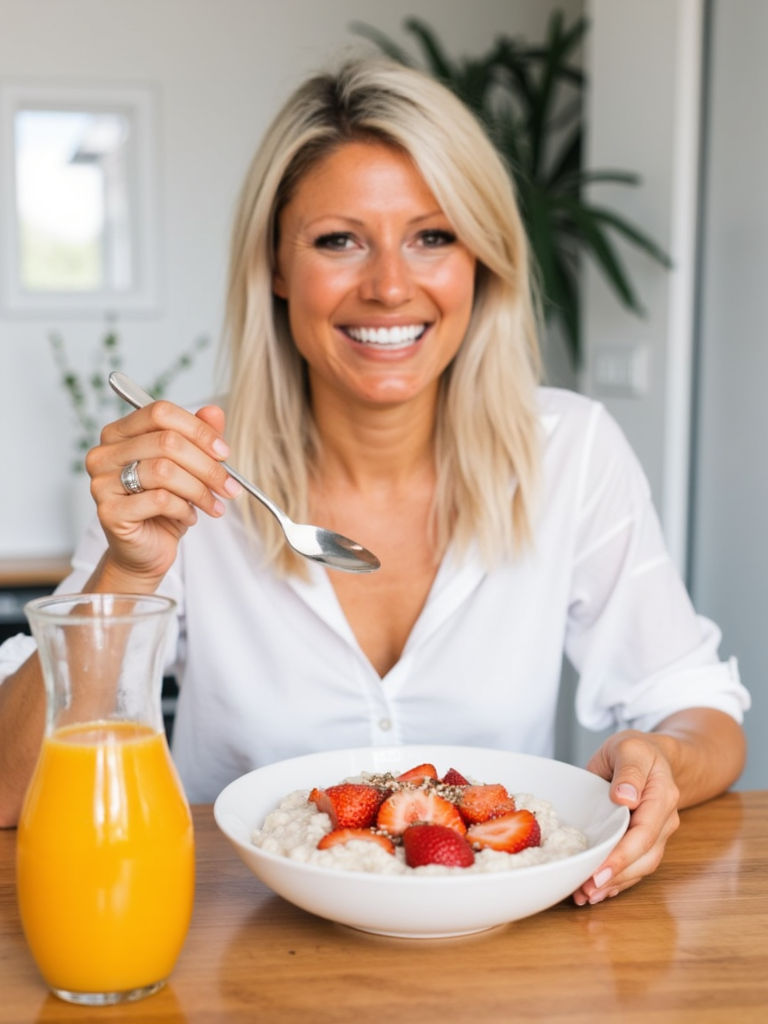
The core idea is simple: your hormones don't stay the same across your cycle, so why should your habits?
Each phase of your cycle — menstrual, follicular, ovulatory, and luteal — brings different hormone levels, different energy patterns, and different nutritional demands. Cycle syncing food choices and exercise intensity to match these patterns is the goal.
What cycle syncing is not is a rigid prescription. You don't need to eat pumpkin seeds on day 3 and do yoga only on day 22. It's a framework for tuning in to what your body actually needs, backed by what we know about reproductive endocrinology and female metabolism.
The Cleveland Clinic notes that while the cycle syncing programme itself hasn't been researched in a clinical setting, there's substantial research supporting differences in mood, metabolism, and activity levels during each phase of the menstrual cycle.
What Actually Changes Across Your Cycle
Before we get into what to eat and how to move, you need to understand why it matters. Your menstrual cycle isn't just about your period — it's a complex hormonal cascade that affects nearly every system in your body.
Here's what the research tells us:
Your metabolism shifts. A 2020 meta-analysis by Benton et al. in PLOS ONE confirmed that resting metabolic rate varies across the menstrual cycle, with energy expenditure typically increasing during the luteal phase. A 2025 systematic review in Nutrition Reviews found that energy intake is measurably higher during the luteal phase — those pre-period cravings aren't weakness, they're biology.
Your exercise capacity changes. McNulty et al. (2020) published a landmark meta-analysis in Sports Medicine examining exercise performance across the menstrual cycle in eumenorrhoeic women. Their finding: exercise performance is trivially reduced during the early follicular phase (your period) compared to all other phases. Meanwhile, research published in the International Journal of Environmental Research and Public Health (2022) found that anaerobic capacity and muscle strength tend to be greatest during the late follicular phase, when oestrogen peaks and progesterone remains low.
Your iron status drops. A review in the International Journal of Environmental Research and Public Health (2021) found that serum iron and transferrin saturation are significantly lowest during menstruation, with iron deficiency diagnosis more likely during menses than the luteal phase. For context, the NHS recommends 14.8mg of iron daily for menstruating women — and most don't hit that target.
Your fuel source shifts. Oosthuyse and Bosch (2010) demonstrated in Sports Medicine that oestrogen promotes glucose availability and uptake into type I muscle fibres — the kind used during shorter, higher-intensity exercise. Progesterone can inhibit this process. During the luteal phase, when progesterone dominates, your body shifts toward greater fat oxidation for fuel.
These aren't minor fluctuations. They're meaningful physiological changes that affect how you feel, perform, and recover throughout the month.
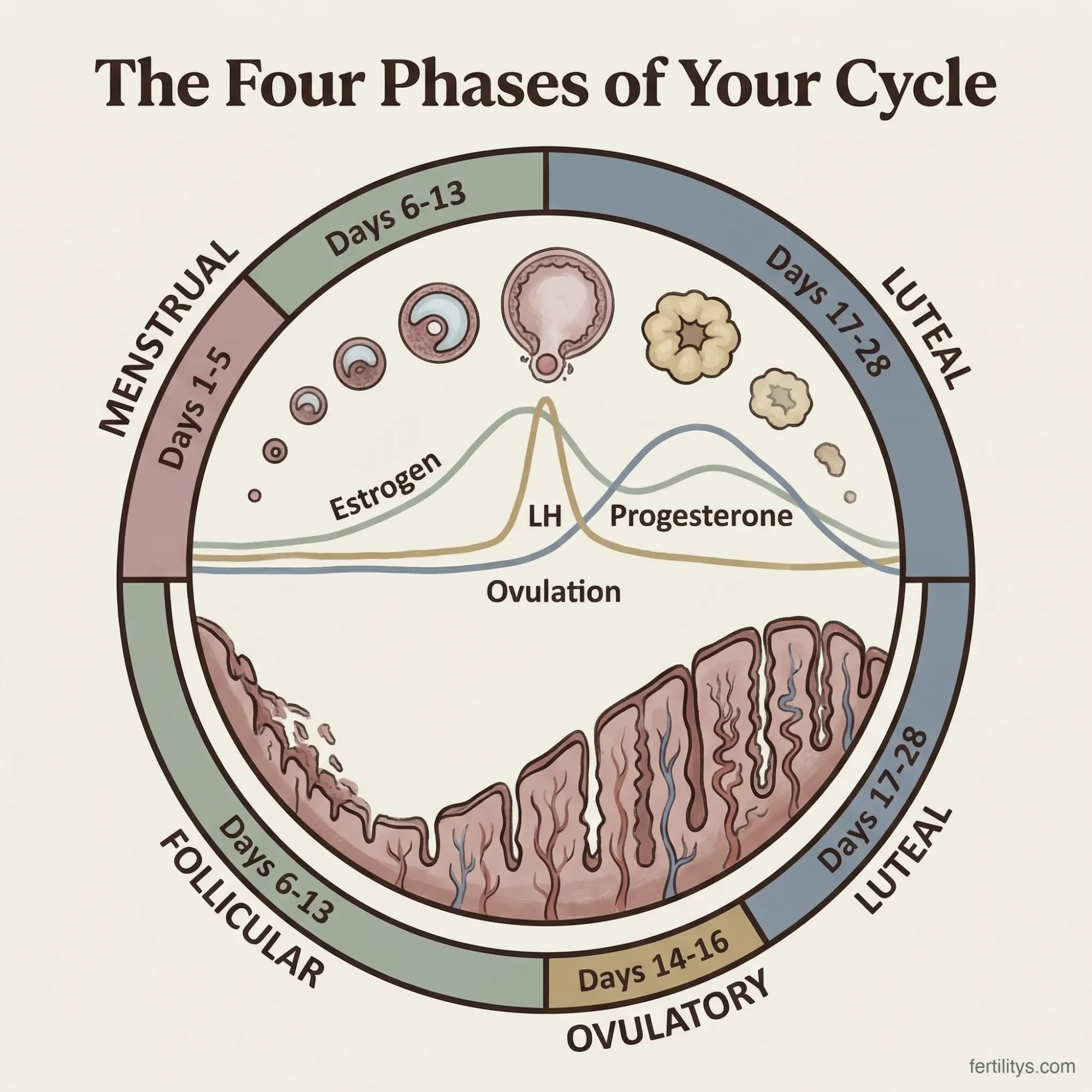
The Menstrual Phase (Days 1–5): Rest, Replenish, Rebuild
Your period marks day 1. Oestrogen and progesterone are both at their lowest, your uterine lining is shedding, and — if you're like roughly 40% of active women surveyed — you feel like your body just isn't cooperating.
This is the phase where cycle syncing food choices matter most, and where most women instinctively get it right (the craving for red meat and dark chocolate isn't random).
What to eat during your period
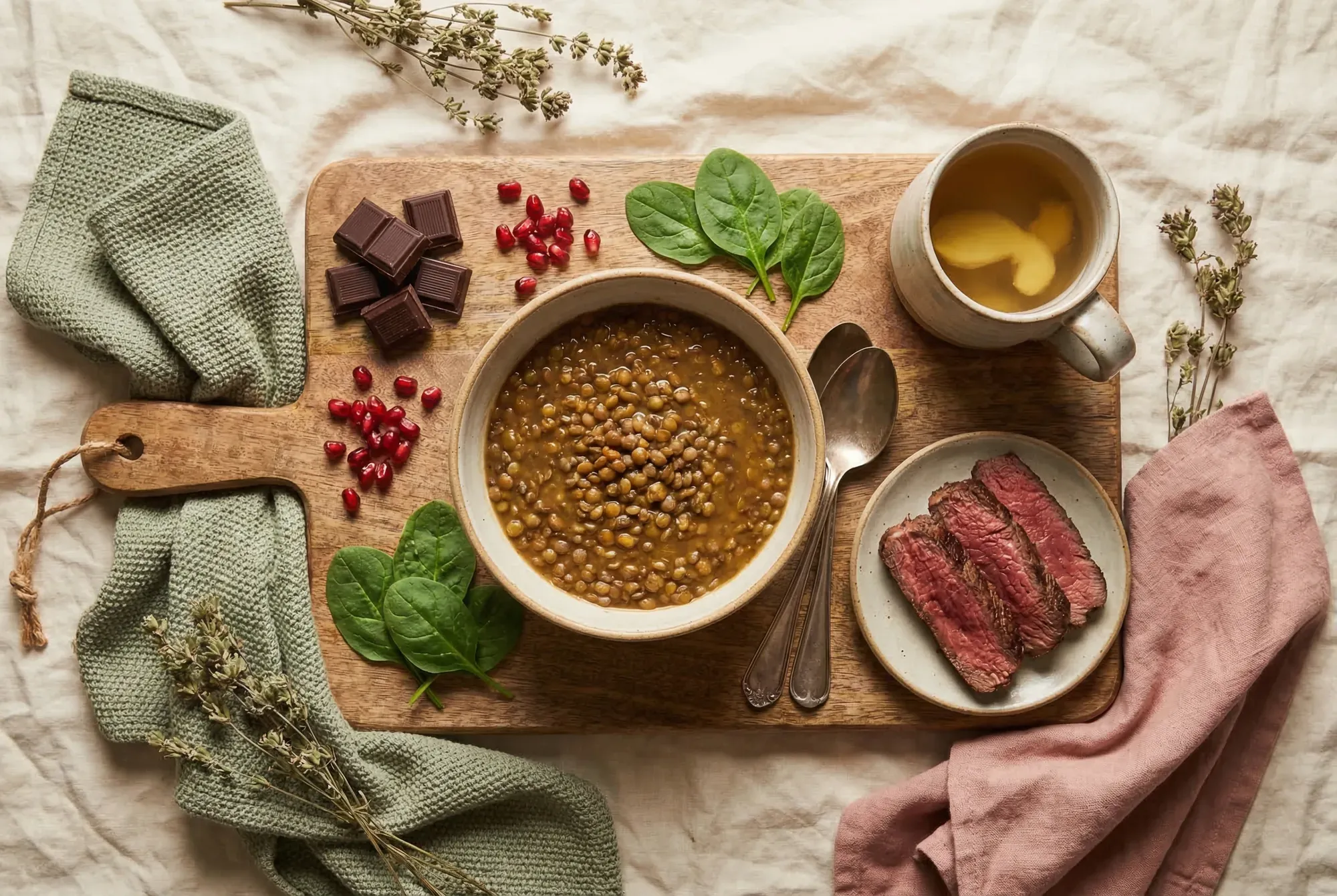
Iron is your top priority. You're losing blood, and with it, iron. Focus on haem iron sources — red meat, liver, mussels, sardines — which your body absorbs 2-3 times more efficiently than plant-based (non-haem) iron. Pair plant sources like lentils, spinach, and chickpeas with vitamin C (a squeeze of lemon, some bell pepper) to boost absorption.
Anti-inflammatory foods earn their place here too. A 2024 review examining 28 studies on diet and menstrual symptoms found that omega-3 fatty acids and anti-inflammatory dietary patterns can reduce period pain intensity. Oily fish (salmon, mackerel, sardines), walnuts, and ground flaxseed are your allies.
Warming, easily digestible meals work well — soups, stews, slow-cooked dishes. Your digestive system can slow during menstruation thanks to prostaglandin activity, so heavy or raw meals may feel harder to process.
Skip: excessive caffeine (can worsen cramps by constricting blood vessels), alcohol (increases inflammation and disrupts sleep), and ultra-processed foods high in refined sugar (spike and crash your already-unstable blood sugar).
How to move during your period
Despite what you might think, complete rest isn't necessary for most women. But this isn't the week to chase a personal best.
The McNulty et al. (2020) meta-analysis showed that performance dips are small during this phase — but perceived exertion is higher. You feel like you're working harder even when output is similar. Gentle, restorative movement tends to feel best: walking, yoga, swimming, light Pilates, stretching.
When I was building my fertility protocol, I made the decision to stop HIIT entirely. Not just during my period — permanently. I'd been pushing hard in high-intensity classes for years, and the research I was reading during my master's convinced me that the cortisol spike wasn't serving my hormones. I switched to yoga, walking, and gentle resistance work. It felt counterintuitive at first, but within weeks I noticed my energy was steadier and my cycle felt calmer.
The Follicular Phase (Days 6–13): Build, Energise, Experiment
Once your period ends, oestrogen starts climbing. And with it, your energy, mood, and tolerance for intensity. This is when most women feel their best — and the science backs it up.
Oestrogen has a neuroexcitatory effect on muscle tissue, which means it supports force production and strength. Progesterone — which inhibits cortical excitability — is still low. The result? Your late follicular phase is typically when you're strongest, most coordinated, and best able to handle challenging exercise.
What to eat during the follicular phase
Your body is preparing for ovulation, and the dominant follicle is maturing. Cycle syncing food choices here should support that process.
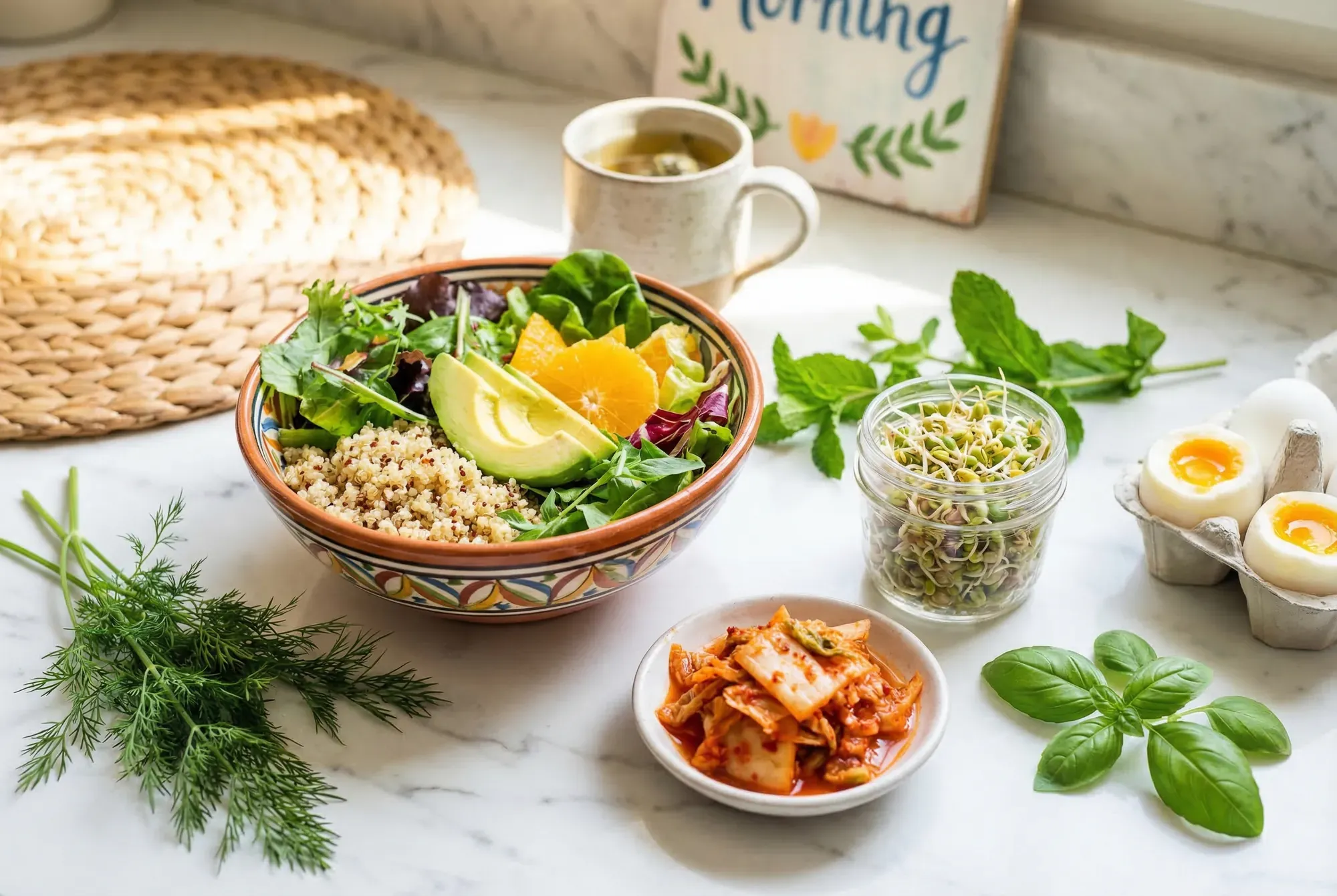
Lean protein and complex carbohydrates fuel the increased energy expenditure. Eggs, chicken, fish, quinoa, oats, sweet potato. Your insulin sensitivity is generally better during this phase, so your body handles carbohydrates more efficiently.
Fermented foods — yoghurt, kefir, kimchi, sauerkraut — support oestrogen metabolism through the gut microbiome. The oestrobolome (the collection of gut bacteria that metabolise oestrogen) plays a real role in how efficiently your body processes oestrogen, and a diverse, healthy gut supports balanced levels.
Cruciferous vegetables — broccoli, cauliflower, Brussels sprouts, kale — contain compounds like indole-3-carbinol (I3C) that support healthy oestrogen detoxification through the liver. Not a magic bullet, but a solid evidence-based choice.
Fresh, light, vibrant meals tend to appeal naturally during this phase. Salads, grain bowls, stir-fries. Your appetite is often lower than in the luteal phase — work with that, not against it.
How to move during the follicular phase
This is your window for intensity. Strength training, HIIT (if that's your thing), running, dance, team sports — your body is primed for it.
A fascinating study published in the International Journal of Sports Medicine (2022) found that resistance training prioritised during the follicular phase produced greater improvements in muscle strength compared to training prioritised during the luteal phase. The late follicular phase, when oestrogen peaks just before ovulation, appears to be the sweet spot for strength and power work.
That said — and this is where I always push back on the oversimplified social media version — this doesn't mean you can't train hard during other phases. It means your body may respond slightly better to heavy loads during this window. Use it if it fits your schedule. Don't stress if it doesn't.
The Ovulatory Phase (Days 14–16): Peak and Pivot
Ovulation happens when luteinising hormone (LH) surges, triggering the release of a mature egg. Oestrogen hits its highest point and then drops sharply. Progesterone begins to rise.
This 2-3 day window often brings peak energy, confidence, and sociability. Some women report feeling more attractive, more assertive, more "themselves." That's oestrogen at its maximum — and some research suggests it may also boost verbal fluency and social cognition.
What to eat around ovulation
Continue with the nutrient-dense approach from the follicular phase. If you're trying to conceive, this is the phase where antioxidant-rich foods become especially meaningful — your egg quality at the moment of ovulation reflects months of cellular support.
Antioxidant-heavy foods: berries (especially blueberries and raspberries), pomegranate, dark leafy greens, green tea, dark chocolate (70%+ cocoa). These combat oxidative stress, which Agarwal et al. (2012) identified in Reproductive Biology and Endocrinology as a key factor in egg quality decline.
Zinc-rich foods support the ovulatory process itself. Oysters, pumpkin seeds, beef, chickpeas. Zinc is involved in follicular development, and low zinc status has been associated with longer time to conception.
Hydration matters more than usual. The review in IJERPH (2021) noted that sweat rate increases during the luteal phase, but the hormonal transition around ovulation can already begin affecting fluid regulation. Drink more water, add electrolytes if you're exercising.
How to move around ovulation
Still in your performance window. Many women find they can push hardest in the days immediately around ovulation. High-intensity interval work, heavy lifts, competitive sport — if it calls to you, go for it.
But listen to your body. Some women experience ovulation pain (mittelschmerz) or mild bloating that makes intense exercise uncomfortable. There's no rule that says you must smash a workout just because your hormones say you can.
The Luteal Phase (Days 17–28): Slow Down, Nourish, Prepare
Progesterone now dominates. It rises after ovulation to prepare the uterine lining for potential implantation, peaks around days 20-22, and then drops — along with oestrogen — if pregnancy doesn't occur. This hormonal decline is what triggers PMS symptoms in the late luteal phase.
This is the phase where cycle syncing exercise becomes most practical. Your body is genuinely different in the luteal phase — and the research confirms it.
What happens in your body
Progesterone raises your core body temperature by about 0.3-0.5°C. That sounds tiny, but it affects thermoregulation during exercise, meaning you overheat faster and may need to adjust intensity or hydration. The IJERPH review (2021) confirmed that sweat rate increases during the luteal phase compared to the follicular phase.
Your body shifts from preferring glucose as fuel (follicular) to greater fat oxidation (luteal), thanks to progesterone's effect on substrate metabolism. Oosthuyse and Bosch (2010) showed this clearly — and it has practical implications for both exercise fuelling and food choices.
And then there are the cravings. The 2025 Nutrition Reviews meta-analysis confirmed that caloric intake increases measurably during the luteal phase. You're not imagining it. Your body is burning more energy (resting metabolic rate rises), and it's asking for more fuel. The worst thing you can do is ignore that signal.
What to eat during the luteal phase
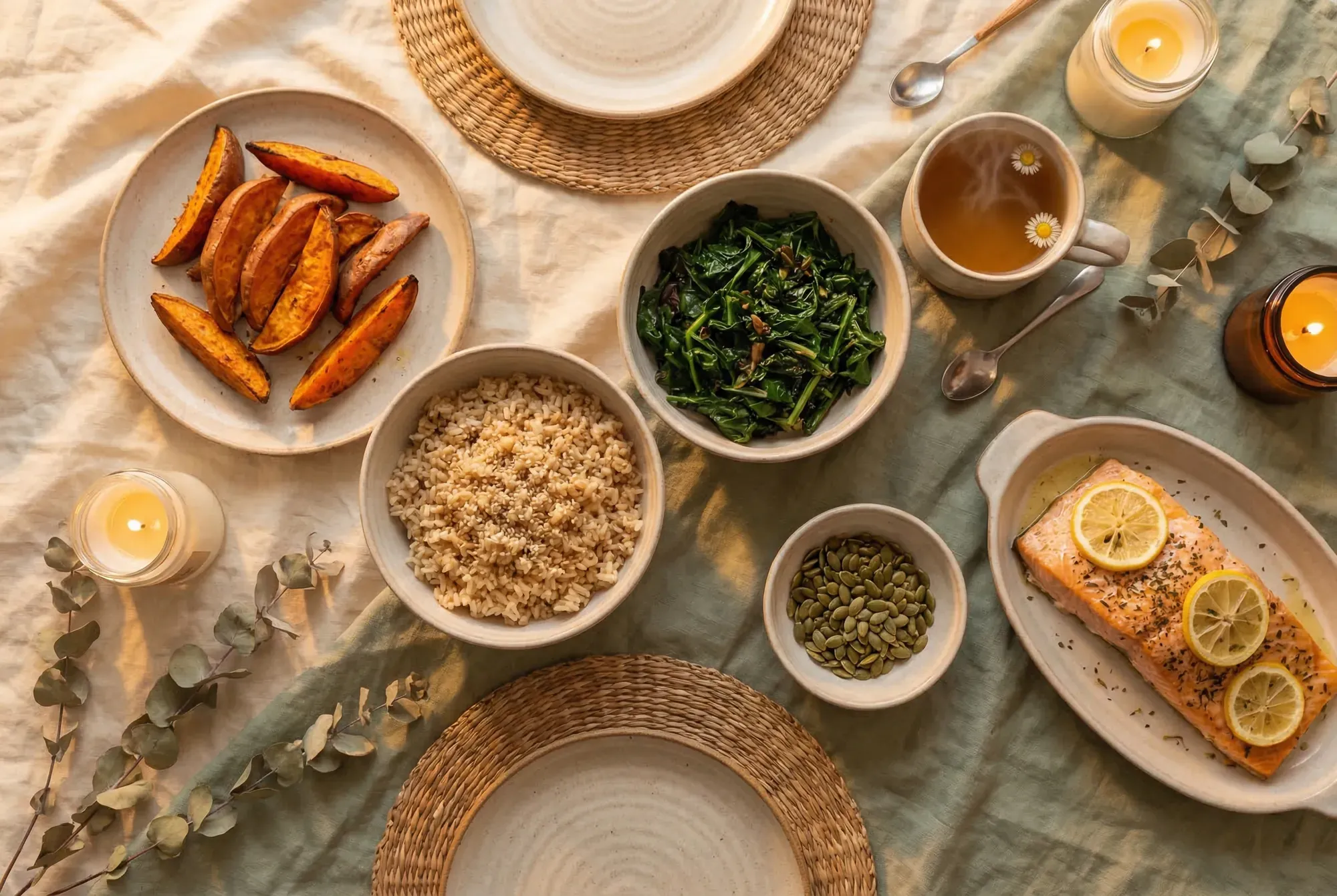
A cycle syncing meal plan for the luteal phase should focus on three things: blood sugar stability, magnesium, and comfort.
Complex carbohydrates are essential — not optional. Sweet potato, brown rice, oats, root vegetables. These support serotonin production (progesterone can lower serotonin, contributing to mood dips) and prevent the blood sugar roller-coaster that makes PMS symptoms worse.
When I was working on my own protocol, blood sugar stabilisation was one of my four pillars. I eliminated refined sugars entirely and focused on slow-release carbohydrates with every meal. The difference in my luteal phase — fewer mood swings, less intense cravings, better sleep — was one of the first tangible improvements I noticed.
Magnesium-rich foods deserve their own spotlight. Pumpkin seeds, dark chocolate, spinach, almonds, black beans. A 2017 review by Parazzini et al. in Magnesium Research found evidence that magnesium supplementation can reduce PMS symptoms including bloating, mood disturbance, and breast tenderness. Getting it through food is even better.
Omega-3 fatty acids continue to matter — salmon, mackerel, walnuts, chia seeds. They help modulate the inflammatory prostaglandins that cause menstrual cramps, and the anti-inflammatory effect starts building before your period begins.
B6-rich foods — poultry, potatoes, bananas, chickpeas — may help too. Wyatt et al. (1999) published a systematic review in the BMJ showing that vitamin B6 supplementation at doses up to 100mg/day was effective in reducing PMS symptoms, though the evidence was of limited quality.
How to move during the luteal phase
Dial it back — but don't stop. The early luteal phase (days 17-21) still feels manageable for moderate exercise. The late luteal phase (days 22-28) is where most women feel the dip.
Good options: moderate-intensity resistance training (lighter loads, higher reps), swimming, cycling at moderate pace, walking, Pilates, yoga. The progesterone-driven shift toward fat oxidation means steady-state cardio may actually feel easier than high-intensity intervals.
If you're trying to conceive, the luteal phase overlaps with the two-week wait (TWW). This is where exercise intensity becomes a personal and sometimes emotional decision. There's no evidence that moderate exercise harms implantation — but many women, myself included, choose to keep things gentle during this window simply for peace of mind.
A Sample Cycle Syncing Meal Plan
Here's a practical snapshot of what a cycle syncing diet plan might look like across the month. This isn't prescriptive — it's a template you can adapt to your preferences, budget, and what's in the fridge.
Menstrual phase sample day
Breakfast: Porridge with ground flaxseed, cinnamon, and stewed prunes. Cup of ginger tea.
Lunch: Lentil and spinach soup with wholemeal bread. Side of sauerkraut.
Dinner: Slow-cooked beef stew with root vegetables, served over brown rice.
Snack: Dark chocolate (2 squares, 70%+) and a handful of cashews.
Follicular phase sample day
Breakfast: Scrambled eggs with smoked salmon, avocado, and sourdough toast.
Lunch: Quinoa bowl with roasted vegetables, chickpeas, feta, lemon-tahini dressing.
Dinner: Chicken stir-fry with broccoli, pak choi, ginger, served with rice noodles.
Snack: Natural yoghurt with berries and pumpkin seeds.
Ovulatory phase sample day
Breakfast: Smoothie with berries, spinach, banana, almond butter, and oat milk.
Lunch: Grilled mackerel salad with mixed leaves, avocado, pomegranate, and olive oil dressing.
Dinner: Mediterranean baked fish with tomatoes, olives, capers, and roasted sweet potato.
Snack: Hummus with cucumber and carrot sticks.
Luteal phase sample day
Breakfast: Overnight oats with banana, almond butter, chia seeds, and cinnamon.
Lunch: Sweet potato and black bean chilli with brown rice and a side salad.
Dinner: Baked salmon with roasted root vegetables and steamed greens.
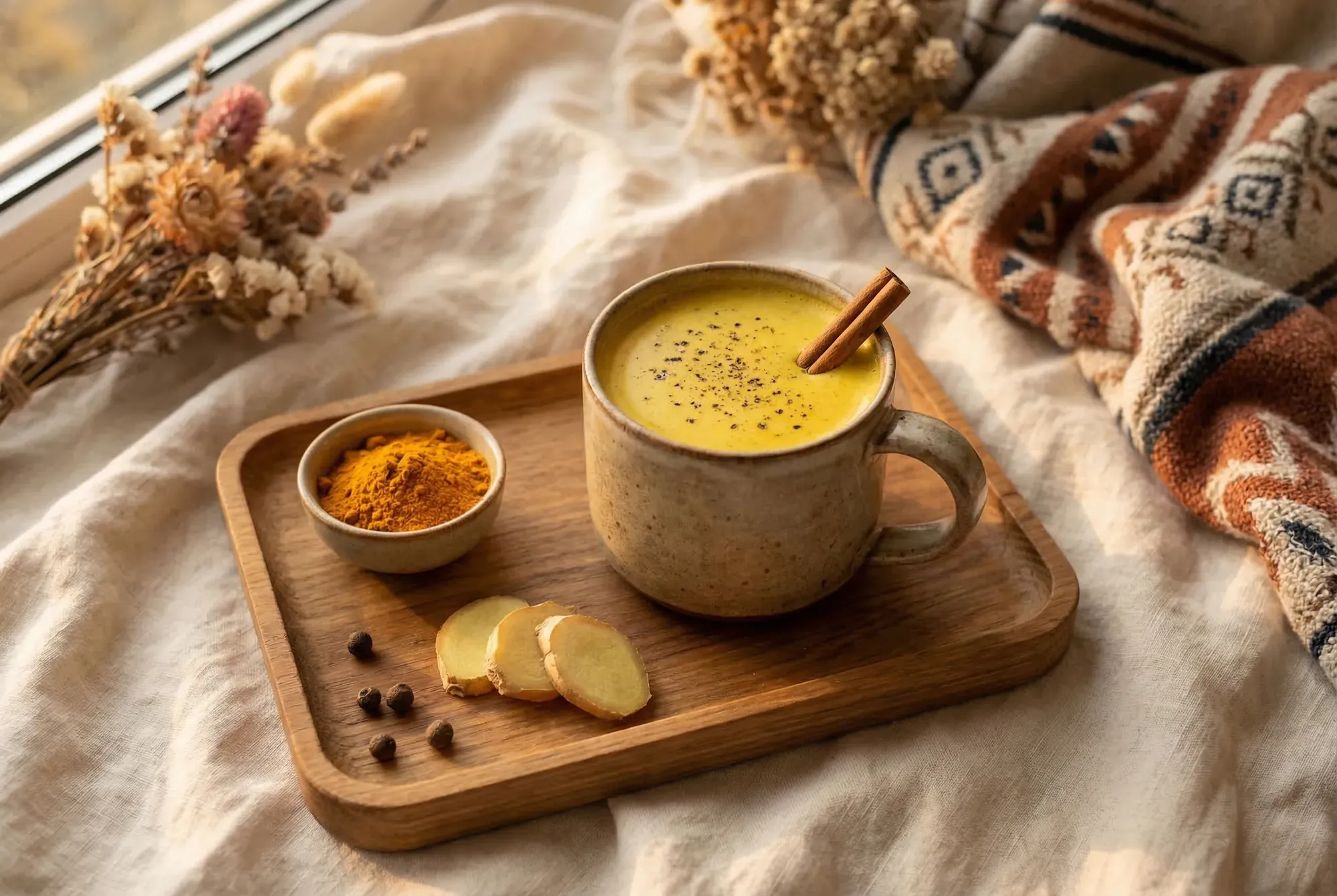
Snack: Warm golden milk (see Dani's recipe below) with a small handful of almonds.
Cycle Syncing with PCOS
If you have PCOS, the idea of cycle syncing PCOS-style can feel frustrating. How do you sync to a cycle that's irregular, unpredictable, or sometimes absent?
It's a fair question — and the answer requires some honesty. Traditional cycle syncing assumes a roughly 28-day ovulatory cycle with clear phase transitions. With PCOS, you might have cycles that range from 35 to 90+ days, anovulatory cycles, or months where it's genuinely unclear which phase you're in.
But the nutritional principles behind cycle syncing are still relevant — perhaps even more so.
Blood sugar regulation is non-negotiable with PCOS. Insulin resistance is present in up to 70% of women with PCOS (Teede et al., 2018, Nature Reviews Endocrinology), and blood sugar instability drives excess androgen production, which worsens symptoms. The luteal-phase emphasis on complex carbohydrates, stable blood sugar, and anti-inflammatory foods? That's your baseline every day with PCOS, not just one phase.
Anti-inflammatory eating is foundational. Chronic low-grade inflammation is a hallmark of PCOS. A Mediterranean-style dietary pattern — rich in fish, vegetables, olive oil, nuts, and whole grains — has been shown to improve metabolic markers in women with PCOS (Barrea et al., 2019, Nutrients).
If you do ovulate, tracking your cycle with tools like basal body temperature (BBT) or an ovulation monitor can help you identify which phase you're in and adapt accordingly. Even irregular cycles have patterns — they're just harder to spot.
If you're not ovulating, focus on the general cycle syncing exercise and nutrition principles rather than tying them to specific days. The food recommendations for each phase are good nutrition regardless of where you are in your cycle. Prioritise the anti-inflammatory and blood-sugar-stable approaches, and adjust exercise based on how your body feels day to day.
My approach with PCOS clients is always food first. The dietary foundations — Mediterranean pattern, anti-inflammatory focus, blood sugar stability, adequate protein — are the same principles I built my own protocol around. They work whether your cycle is 28 days or 45.
The Bottom Line
Cycle syncing isn't a fad, but it's not a precise science either. No clinical trial has tested the full programme — eating specific foods and doing specific exercises on specific cycle days — as a complete intervention. What has been tested, extensively, is whether your cycle affects your body. It does.
Your hormones change your metabolism, your muscle function, your iron needs, your energy, your cravings, and your recovery capacity across the month. Working with those shifts rather than ignoring them is common sense backed by genuine physiology.
The best cycle syncing approach isn't the one with the most rules. It's the one where you start paying attention to how you feel across your cycle, notice the patterns, and make small adjustments that help. Maybe that's more iron-rich food during your period. Maybe it's scheduling your hardest workouts for the follicular phase. Maybe it's giving yourself permission to rest in the late luteal phase without guilt.
And if the whole thing feels overwhelming? Start with one phase. Most women find the menstrual phase easiest — partly because it's the most obvious, and partly because the changes (rest more, eat warming food, be gentle with yourself) feel the most intuitive.
Your cycle isn't a problem to solve. It's information your body is giving you every single month. Cycle syncing is just learning to read it.
Frequently Asked Questions
▸Is cycle syncing scientifically proven?
Cycle syncing as a complete programme has not been tested in a randomised controlled trial. However, the individual components — hormonal effects on exercise performance, metabolic changes across the cycle, nutritional needs during menstruation — are all supported by peer-reviewed research. McNulty et al. (2020) showed exercise performance varies by cycle phase, and multiple studies confirm metabolic and nutritional needs shift across the menstrual cycle.
▸Can you cycle sync with an irregular period?
Yes, though it requires more flexibility. If your cycles are irregular (common with PCOS or perimenopause), use BBT tracking or ovulation monitors to identify your current phase. If you're not ovulating, focus on the foundational nutrition principles — anti-inflammatory eating, blood sugar stability, adequate iron and magnesium — rather than trying to match specific foods to specific days.
▸What foods are best for each phase of your cycle?
During menstruation: iron-rich foods (red meat, lentils, spinach), anti-inflammatory omega-3s, and warming meals. Follicular phase: lean protein, complex carbs, fermented foods, cruciferous vegetables. Around ovulation: antioxidant-rich foods (berries, dark leafy greens), zinc sources. Luteal phase: complex carbohydrates for serotonin support, magnesium-rich foods (pumpkin seeds, dark chocolate), and continued omega-3s.
▸Does cycle syncing help with fertility?
While cycle syncing hasn't been studied specifically for fertility outcomes, many of its principles align with evidence-based fertility nutrition. Antioxidant intake supports egg quality (Agarwal et al., 2012), blood sugar stability supports hormonal balance, and adequate iron and nutrient intake supports reproductive health at every level. If you're trying to conceive, cycle awareness — knowing when you ovulate, supporting your luteal phase — is foundational.
▸How long does it take to notice results from cycle syncing?
Most women report noticeable differences within 2-3 cycles (2-3 months). The earliest changes tend to be reduced PMS symptoms, more stable energy, and fewer intense cravings during the luteal phase. Longer-term benefits like improved cycle regularity may take 3-6 months of consistent dietary and lifestyle changes.
▸Does cycle syncing actually work?
The scientific evidence for cycle syncing is limited — most claims are based on the known hormonal fluctuations during the menstrual cycle rather than clinical trials. However, many women report feeling better when they adjust exercise and nutrition to their cycle phase. It's low-risk and worth trying.
▸Can you cycle sync on the pill?
Hormonal contraceptives suppress your natural cycle, so true cycle syncing isn't possible on the pill. The withdrawal bleed on the pill isn't a real period. You'd need to be having natural menstrual cycles to sync with them.
▸What exercise is best in each phase?
Follicular phase: higher intensity (HIIT, strength training). Ovulation: peak performance. Luteal phase: moderate exercise (yoga, walking, swimming). Menstruation: gentle movement (stretching, walks). Listen to your body — these are guidelines, not rules.
You might also find helpful:
References
- McNulty KL, Elliott-Sale KJ, Dolan E, et al. The effects of menstrual cycle phase on exercise performance in eumenorrheic women: a systematic review and meta-analysis. Sports Medicine. 2020;50(10):1813-1827. PubMed
- Oosthuyse T, Bosch AN. The effect of the menstrual cycle on exercise metabolism: implications for exercise performance in eumenorrhoeic women. Sports Medicine. 2010;40(3):207-227. PubMed
- Benton MJ, Hutchins AM, Dawes JJ. Effect of menstrual cycle on resting metabolism: a systematic review and meta-analysis. PLOS ONE. 2020;15(7):e0236025. PLOS ONE
- Carmichael MA, Thomson RL, Moran LJ, et al. The impact of menstrual cycle phase on athletes' performance: a narrative review. International Journal of Environmental Research and Public Health. 2021;18(4):1667. PMC
- Hackney AC, Koltun KJ, Wentz LM. Nutrition-based interventions and athletic performance during menstrual cycle phases: a review. International Journal of Environmental Research and Public Health. 2021;18(12):6294. PMC
- Agarwal A, Aponte-Mellado A, Premkumar BJ, et al. The effects of oxidative stress on female reproduction: a review. Reproductive Biology and Endocrinology. 2012;10:49. PubMed
- Parazzini F, Di Martino M, Pellegrino P. Magnesium in the gynaecological practice: a literature review. Magnesium Research. 2017;30(1):1-7. PubMed
- Wyatt KM, Dimmock PW, Jones PW, et al. Efficacy of vitamin B-6 in the treatment of premenstrual syndrome: systematic review. BMJ. 1999;318(7195):1375-1381. PubMed
- Teede HJ, Misso ML, Costello MF, et al. Recommendations from the international evidence-based guideline for the assessment and management of polycystic ovary syndrome. Human Reproduction. 2018;33(9):1602-1618. PubMed
- Barrea L, Arnone A, Annunziata G, et al. Adherence to the Mediterranean diet, dietary patterns and body composition in women with polycystic ovary syndrome (PCOS). Nutrients. 2019;11(10):2278. PubMed
- Pfender EJ, Kuijpers KL, Wanzer CV, et al. Cycle syncing and TikTok's digital landscape: a reasoned action elicitation through a critical feminist lens. Qualitative Health Research. 2025;35(3):291-304. PubMed
- Yan Z, Dai Y, Fu H, et al. Curcumin exerts a protective effect against premature ovarian failure in mice. Biomedicine & Pharmacotherapy. 2018;107:1005-1010.
This article is for informational purposes only and does not constitute medical advice. Always consult your doctor or a qualified healthcare professional before making changes to your diet, exercise routine, or supplement regimen — especially if you're trying to conceive, pregnant, or managing a condition like PCOS.
⚕️ Medical Disclaimer
This article is for informational purposes only and does not constitute medical advice. Always consult a qualified healthcare professional before making decisions about your fertility or reproductive health.
Written by

Subscribe to Fertilitys
All my Free Resources. No spam. Unsubscribe anytime.