Fertility Smoothie Recipes: A Nutritionist's 5 Go-To Blends
A fertility nutritionist's guide to the best evidence-based fertility smoothie recipes for egg quality, implantation, hormone balance, and male fertility.

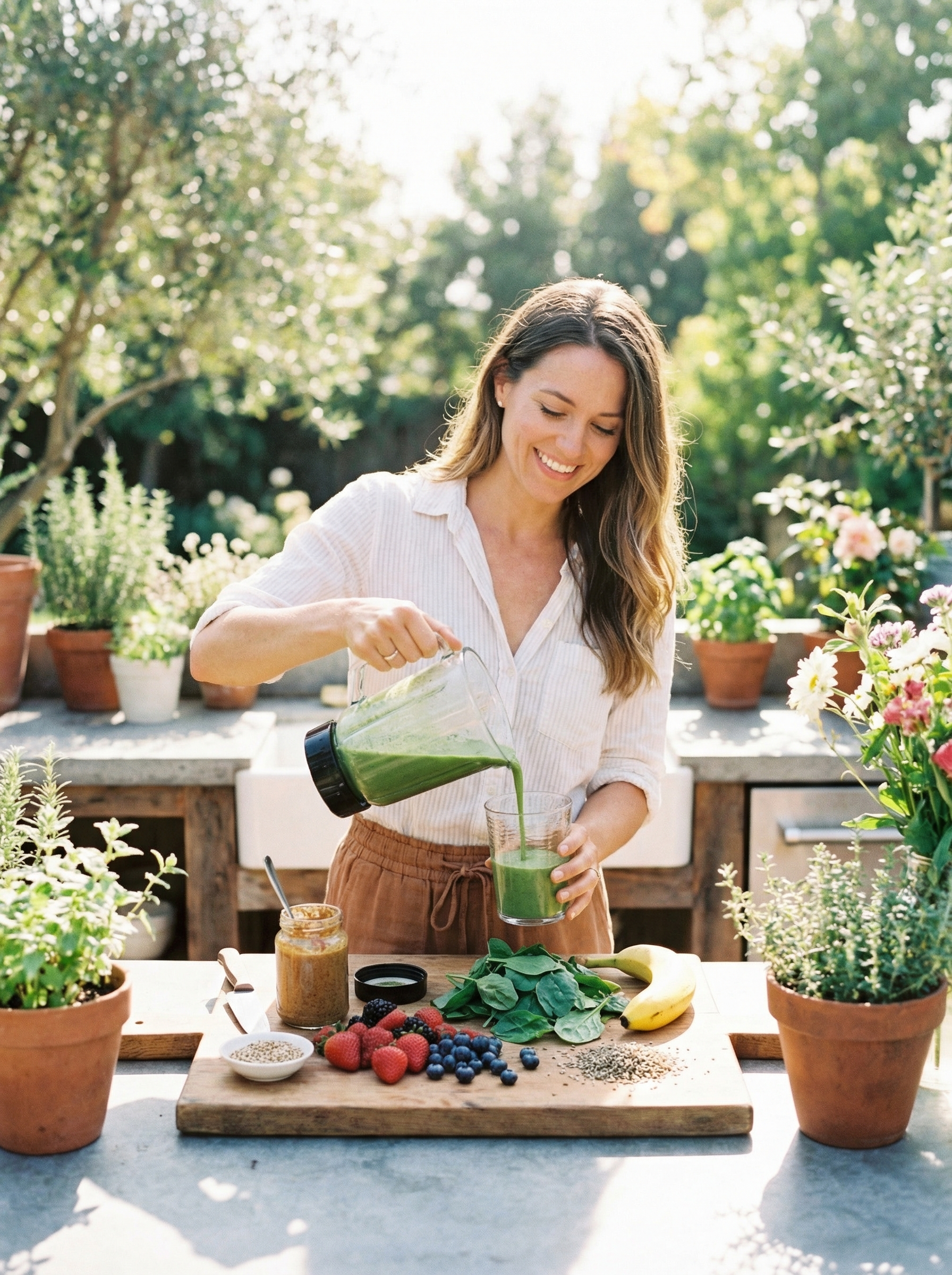
I get asked about fertility smoothies more than almost anything else. And I understand why — when you're trying to conceive, the idea of blending up a single glass of "fertility fuel" each morning feels incredibly appealing. One drink, loads of nutrients, done.
But here's what most fertility smoothie content gets wrong: they treat it like magic. Throw in some maca and a handful of spinach and — poof — you're pregnant. That's not how nutrition works. What does work is consistently getting the right nutrients into your body, in forms it can actually absorb, as part of a broader dietary pattern. And smoothies happen to be a genuinely brilliant way to do that.
I've been making fertility smoothies for my clients — and myself — for years. During my own fertility journey, a morning smoothie became one of my non-negotiables. Not because any single ingredient was going to fix my low AMH, but because it meant I was starting every day with folate, antioxidants, omega-3s, and protein before I'd even left the kitchen. When you're building egg quality over months (and I mean months — I'm a firm believer in starting at least a year before you plan to conceive), those daily habits compound.
So here are my actual fertility smoothie recipes — the ones I make for myself, recommend to clients, and genuinely believe in. Every ingredient is here for a reason, backed by evidence, and designed to taste good enough that you'll actually drink it every day.
Why Smoothies Are Smart for Fertility
You could eat all these fertility smoothie ingredients separately. But there are a few practical reasons smoothies work so well when you're trying to get pregnant.
Nutrient density in one glass. A single smoothie can deliver folate (from spinach or kale), vitamin C (berries), vitamin E (avocado or almond butter), omega-3 fatty acids (ground flaxseed or walnuts), and zinc (pumpkin seeds). That's five fertility-relevant nutrients before 8am. Gaskins and Chavarro (2018) reviewed the evidence in Endocrine Reviews and found that dietary patterns rich in these nutrients were consistently associated with better fertility outcomes in both women and men.
Better absorption. Blending breaks down plant cell walls, which makes certain nutrients more bioavailable. Pairing vitamin C–rich fruits with iron-rich greens like spinach helps your body absorb non-haem iron — something McNulty et al. (2020) highlighted as particularly important for women of reproductive age, where iron deficiency is common and often undiagnosed.
You'll actually do it. This sounds obvious, but consistency matters more than perfection. I've had clients with beautiful meal plans that they follow for two weeks then abandon. A smoothie takes three minutes. When you're juggling work, appointments, and the emotional weight of trying to conceive, that simplicity is everything.
The Best Fertility Smoothie Ingredients
Not all smoothie ingredients are created equal when it comes to reproductive health. Here's what I recommend — and why — as core fertility smoothie ingredients that show up across my recipes.
Leafy Greens: Your Folate Foundation
Spinach, kale, and Swiss chard are folate powerhouses. One cup of raw spinach delivers roughly 58mcg of folate — the B vitamin that's essential for DNA synthesis and neural tube development. The NHS recommends 400mcg of folic acid daily before conception, but getting folate from food sources alongside your supplement gives your body both synthetic and natural forms. I always add a generous handful of spinach to every smoothie. You can't taste it once the berries go in.
Berries: Antioxidant Protection
Blueberries, strawberries, and raspberries are packed with anthocyanins — potent antioxidants that help protect eggs and sperm from oxidative stress. Agarwal et al. (2012) published a major review in Reproductive Biology and Endocrinology showing that oxidative stress is a significant factor in both male and female infertility. Berries are one of the easiest ways to fight it through diet. Fresh or frozen — both work. I actually prefer frozen because they're picked at peak ripeness and they make the smoothie thick and cold without needing ice.
Healthy Fats: Hormones Need Them
Avocado, almond butter, and coconut oil provide the monounsaturated and polyunsaturated fats your body needs to produce reproductive hormones. The Nurses' Health Study II — one of the largest prospective studies on diet and fertility — found that women who ate more monounsaturated fat and less trans fat had significantly lower rates of ovulatory infertility (Chavarro et al., 2007). Half an avocado or a tablespoon of nut butter in your smoothie covers this beautifully.
Seeds: Omega-3s and Zinc
Ground flaxseeds, chia seeds, pumpkin seeds, and hemp seeds are small but powerful. Flaxseeds provide alpha-linolenic acid (ALA), a plant-based omega-3 that supports hormone regulation. Pumpkin seeds are one of the best plant sources of zinc — a mineral that Fallah et al. (2018) showed was significantly associated with better sperm parameters in their systematic review. I keep a jar of mixed ground seeds in my fridge specifically for smoothies. Two tablespoons, every single time.
Full-Fat Dairy or Protein Alternatives
Full-fat Greek yoghurt adds protein and probiotics, and there's evidence to suggest it supports fertility. The Nurses' Health Study found that women consuming one or more servings of full-fat dairy per day had a 27% lower risk of ovulatory infertility compared to those eating mainly low-fat dairy (Chavarro et al., 2007). If dairy doesn't work for you, unsweetened oat milk or coconut yoghurt are good alternatives — just make sure you're getting protein from another source like hemp seeds or a quality protein powder.
5 Fertility Smoothie Recipes I Actually Make
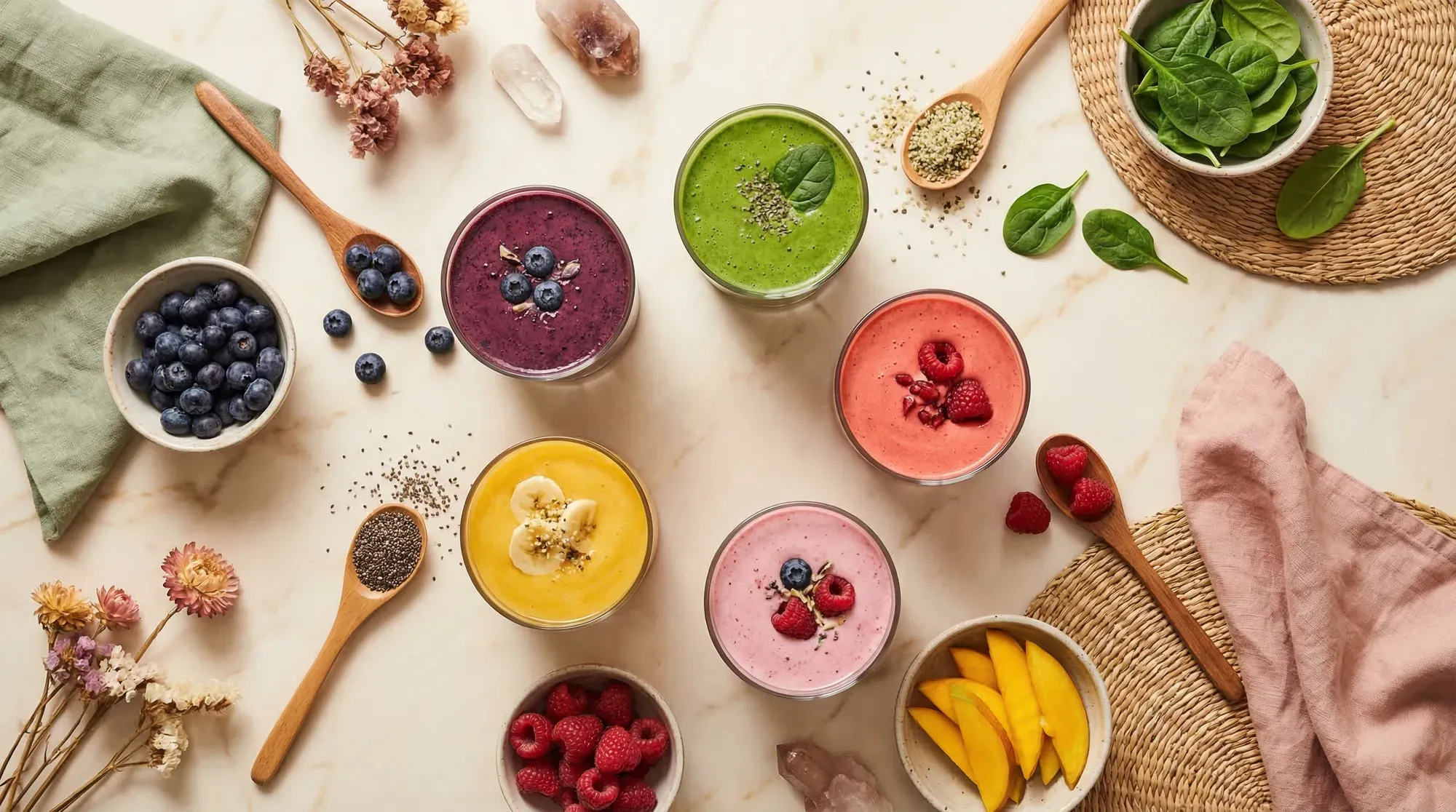
These aren't theoretical. I've made all of these, tweaked them, and recommended them to clients. Each one targets a different aspect of reproductive health, and every ingredient earns its place.
1. The Egg Quality Smoothie
This is my fertility smoothie for egg quality — the one I made almost daily during my own protocol when I was working to support my egg health with an AMH of 3.
- 1 cup frozen blueberries (anthocyanins for antioxidant protection)
- 1 large handful of spinach (folate, iron)
- ½ avocado (healthy fats, vitamin E)
- 2 tbsp ground flaxseed (omega-3 ALA)
- 1 tbsp almond butter (monounsaturated fat, vitamin E)
- 250ml unsweetened oat milk
- Optional: 1 tsp gelatinised maca powder
Why it works: Blueberries and vitamin E from the avocado and almond butter provide antioxidant protection, while the omega-3s from flaxseed support the cell membrane integrity that's critical during egg maturation. Ben-Meir et al. (2015) demonstrated in Aging Cell that CoQ10 supplementation could reverse age-related egg quality decline in mice — while you can't blend CoQ10 into a smoothie effectively, the antioxidant-rich base supports the same protective pathways.
2. The Implantation Support Smoothie
For the luteal phase — when you're hoping for implantation — this fertility smoothie for implantation focuses on blood flow, iron, and anti-inflammatory compounds.
- ½ cup beetroot (raw, grated or pre-cooked)
- ½ cup pineapple (including a small piece of core)
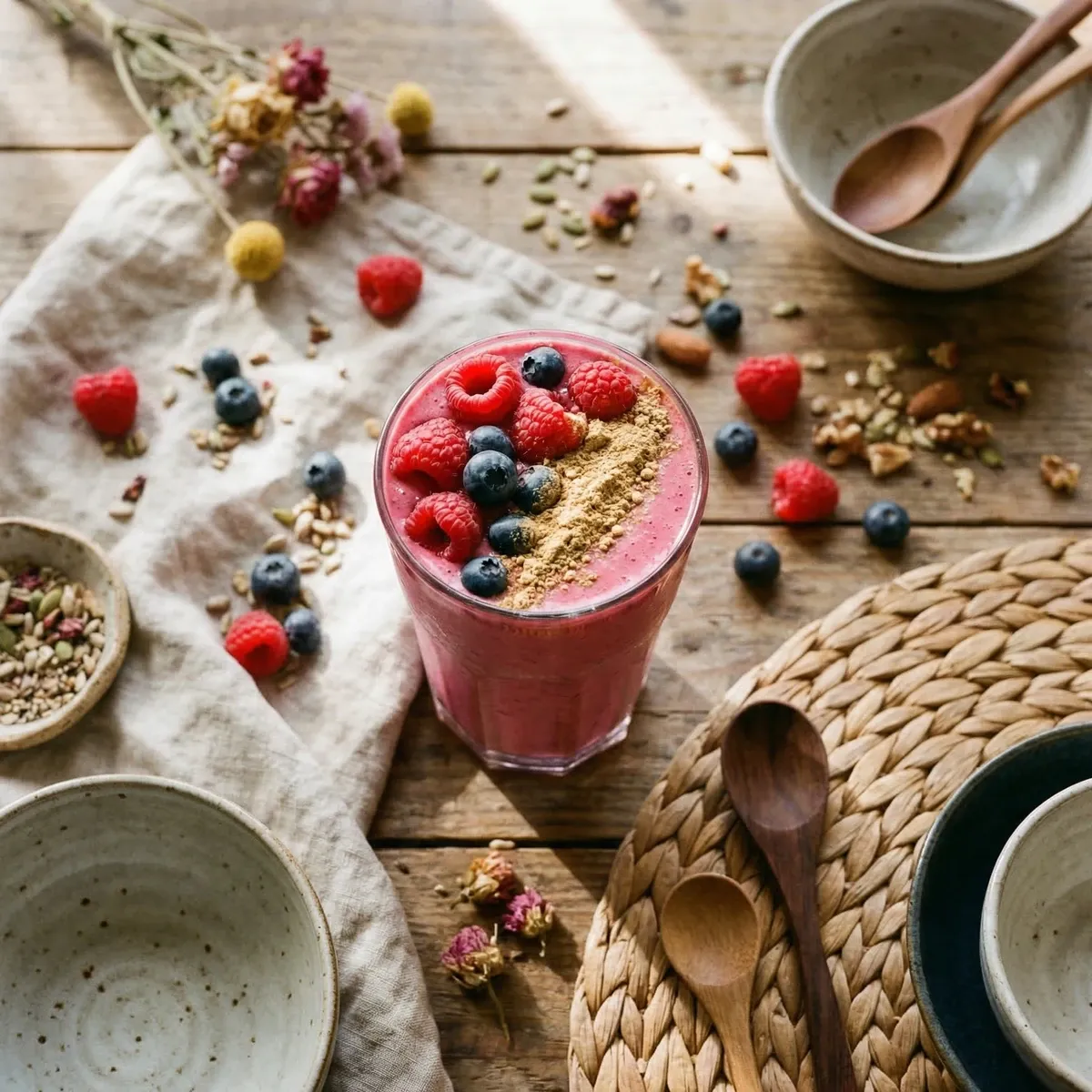
- 1 cup frozen raspberries
- 1 tbsp hemp seeds (complete protein, omega-3 and omega-6)
- 150ml full-fat Greek yoghurt
- 100ml water or coconut water
- Small piece of fresh ginger (anti-inflammatory)
Why it works: Beetroot is rich in nitrates, which the body converts to nitric oxide — a compound that supports blood flow to the uterus. There's a reason it appears in traditional fertility nutrition. Pineapple core contains bromelain, an enzyme with anti-inflammatory properties. I should be upfront: the evidence for pineapple core specifically improving implantation is anecdotal, not clinical. But bromelain's anti-inflammatory effects are well-documented (Pavan et al., 2012), and the fruit adds vitamin C and natural sweetness. The ginger adds further anti-inflammatory support — Zhu et al. (2018) published a meta-analysis showing ginger's significant effects on inflammatory markers.
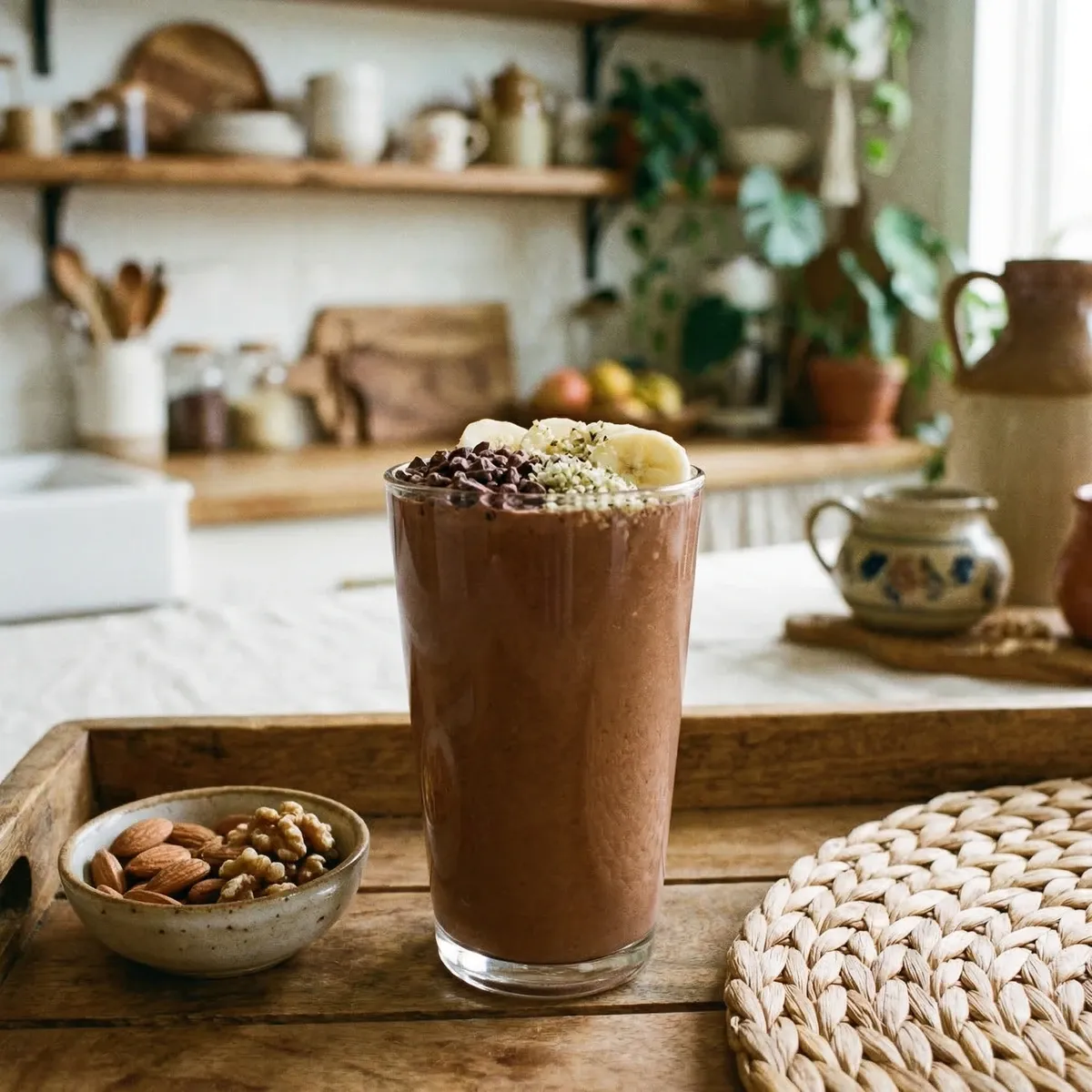
3. The Hormone Balance Smoothie
This one is built around blood sugar stability and adaptogenic support — two things I focus on heavily with my PCOS clients.
- 1 banana (potassium, natural sweetness)
- 2 tbsp ground flaxseed (lignans for oestrogen metabolism)
- 1 tsp gelatinised maca powder
- 1 tbsp cashew butter (magnesium, zinc)
- ½ tsp ceylon cinnamon (insulin sensitivity)
- 250ml unsweetened almond milk
- 1 scoop vanilla protein powder (optional, for blood sugar)
Why it works: Flaxseed lignans are phytoestrogens that Phipps et al. (1993) showed could modulate the menstrual cycle — they found 10g of flaxseed daily lengthened the luteal phase in healthy women. Gelatinised maca (the heat-treated form, which is easier to digest) showed suggestive evidence for improving semen quality in a systematic review by Lee et al. (2016), though more human trials are needed. The cinnamon isn't just for flavour — Anderson et al. (2004) demonstrated its insulin-sensitising effects, which is particularly relevant for women with PCOS or blood sugar instability.
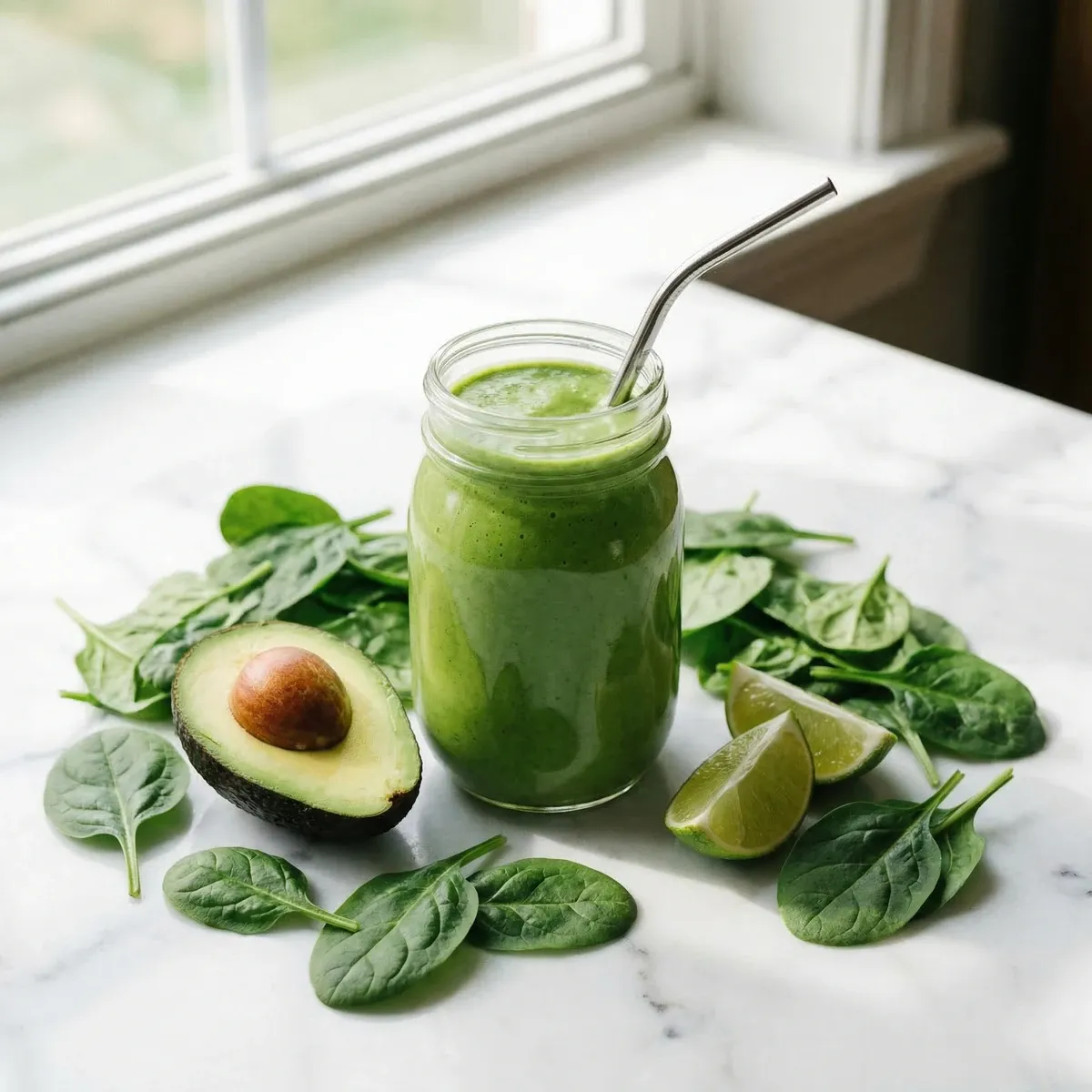
4. The Green Fertility Smoothie
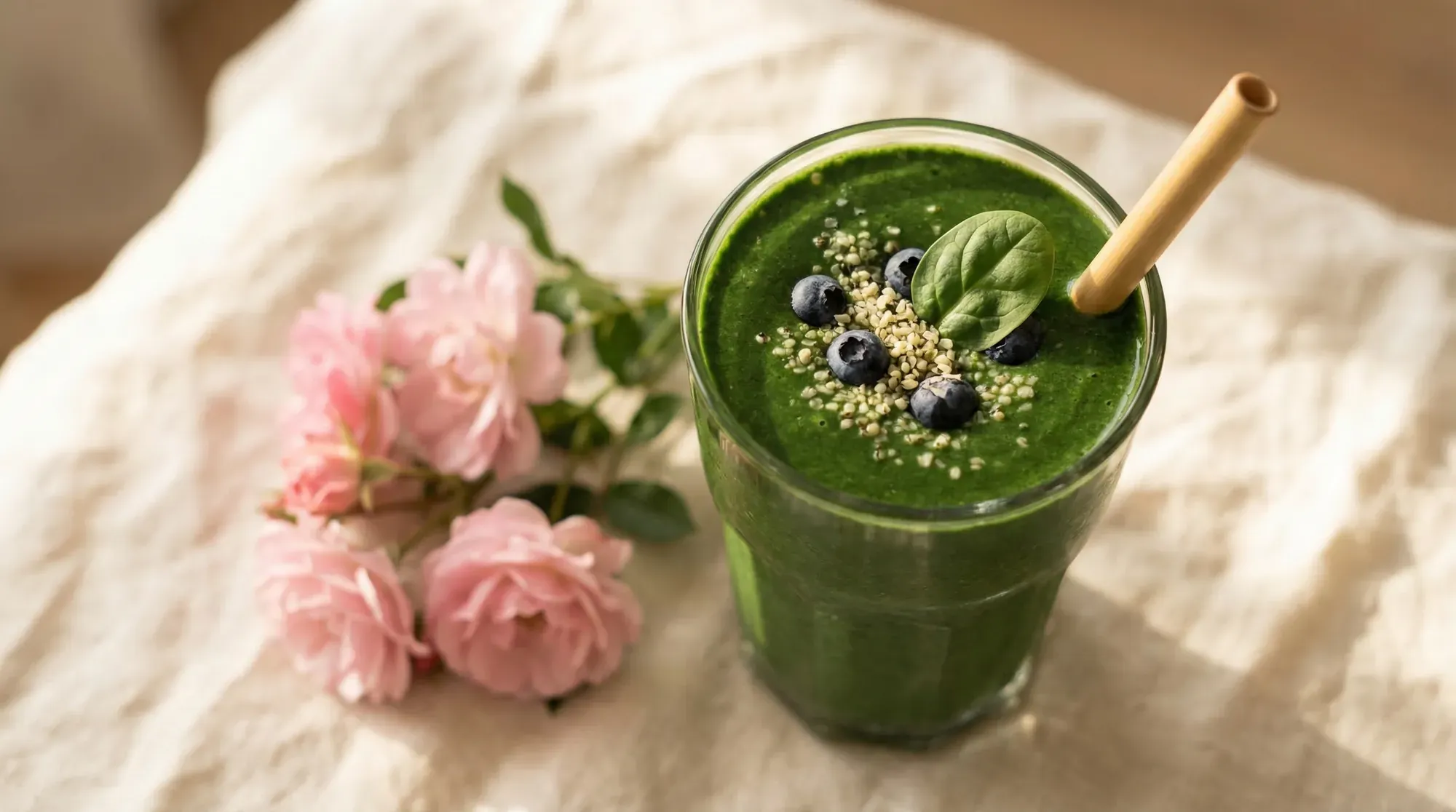
For those days when you want to pack in maximum micronutrients. This is the best fertility smoothie to get pregnant if your diet has been heavy on processed food and you need a reset.
- 2 large handfuls of kale (folate, vitamin K, calcium)
- ½ avocado (healthy fats)
- 1 cup frozen mango (vitamin C, beta-carotene)
- 2 tbsp pumpkin seeds (zinc — 2.2mg per tablespoon)
- 1 tbsp coconut oil (medium-chain triglycerides)
- 250ml coconut water (hydration, electrolytes)
- Juice of ½ lime
Why it works: Kale delivers roughly 19mcg of folate per cup plus significant vitamin K and calcium. The mango provides beta-carotene, which the body converts to vitamin A — essential for reproductive function. Pumpkin seeds contribute zinc, and Fallah et al. (2018) confirmed zinc's importance for both egg and sperm health. The lime juice boosts vitamin C absorption of the non-haem iron in the kale.
5. The Male Fertility Smoothie
Fertility is a two-person project. This male fertility smoothie is designed around the nutrients that research links to better sperm parameters.
- 1 cup frozen mixed berries (antioxidants)
- 2 tbsp walnuts (omega-3 DHA precursor, selenium)
- 2 tbsp pumpkin seeds (zinc)
- 1 banana
- 150ml full-fat Greek yoghurt (selenium, B12)
- 100ml pomegranate juice (100% pure, no added sugar)
- 1 Brazil nut (selenium — one nut provides ~68-91mcg)
Why it works: Robbins et al. (2012) found that men who ate 75g of walnuts daily for 12 weeks showed significant improvements in sperm vitality, motility, and morphology. The pomegranate juice provides ellagic acid, a potent antioxidant. And that single Brazil nut delivers almost the entire daily selenium requirement — Rayman (2012) reviewed selenium's role in male reproduction and found it's essential for sperm formation and testosterone metabolism. I recommend this to every male partner I work with. It takes three minutes and it makes a genuine difference.
Fertility Smoothie Ingredients to Avoid
What you leave out matters too. A few things I tell my clients to skip:
Excess soy protein isolate. Small amounts of whole soy (edamame, tofu) are fine, but concentrated soy protein powders deliver high doses of isoflavones that may affect oestrogen metabolism. If you're using protein powder, opt for whey, collagen, or pea protein instead.
Added sugars and honey in large amounts. A tablespoon of raw honey is fine. But some smoothie recipes call for maple syrup, agave, and sweetened yoghurt — which can spike blood sugar. Jakubowicz et al. (2013) demonstrated that blood sugar regulation directly impacts hormone signalling in women with PCOS and those trying to conceive.
Raw egg whites. Some fitness smoothie recipes include raw eggs. Besides the food safety concerns, raw egg whites contain avidin, which binds biotin and can interfere with its absorption. Cook your eggs separately.
🍎 Go Organic With the Dirty Dozen
When buying fresh produce for your smoothies, I tell all my clients: if you can only afford to go organic on some things, make it these. Pesticide residues on heavily sprayed fruit and veg are something I take seriously — Baudry et al. (2018) found that organic food consumption was associated with a 25% lower cancer risk, and the EARTH study showed higher pesticide residue exposure was linked to lower pregnancy rates after fertility treatment.
The list: Strawberries, spinach, kale/collard/mustard greens, peaches, pears, nectarines, apples, grapes, bell & hot peppers, cherries, blueberries, green beans (EWG, 2025).
Tips for Getting the Most From Your Fertility Smoothies
Make it a daily habit, not a weekly event. One smoothie won't change your fertility. Drinking one every morning for six months might. Consistency is the whole point. I tell my clients to think in terms of 90-day windows minimum — though personally, I believe you should start preconception nutrition at least a year before you plan to conceive.
Prep your ingredients. On Sundays, I portion out smoothie bags — each one gets a handful of spinach, a scoop of frozen berries, and two tablespoons of my seed mix. In the morning, I just grab a bag, add liquid and fat, blend, done. When I was trying to conceive, this was the only way I actually stuck with it on busy shooting days (I'm a wedding photographer too — long weekends on your feet don't exactly lend themselves to elaborate breakfast routines).
Don't overthink the base liquid. Oat milk, almond milk, coconut milk, water, coconut water — they all work. Choose based on your dietary needs. Full-fat dairy is my first choice when I can have it, based on the Nurses' Health Study data, but plant milks are absolutely fine.
Rotate your ingredients. Don't drink the exact same smoothie every day for months. Rotate between these fertility smoothie recipes so you get a wider range of micronutrients and phytochemicals. I usually have my egg quality smoothie three mornings, the green one twice, and mix it up at weekends.
Supplements go alongside, not inside. I take my CoQ10 (200mg), vitamin D, and omega-3 as separate supplements with food — not blended into the smoothie. Some supplements are fat-soluble and absorb better with a meal, and blending can degrade certain compounds. The smoothie is your food base. Supplements complement it.
The Bottom Line
Fertility smoothies aren't magic. No single drink is going to get you pregnant. But as part of a consistent, nutrient-dense dietary pattern — like the Mediterranean approach I followed throughout my own protocol — they're one of the simplest, most practical things you can do every single day to support your reproductive health.
The research supports it: antioxidant-rich diets protect egg and sperm quality, healthy fats support hormone production, and nutrients like folate, zinc, and omega-3s are fundamental to conception. A well-made smoothie delivers all of these in three minutes flat.
Start with one recipe from this list. Make it for a week. Then try another. Build it into your morning routine the way I did — not as a cure, but as a foundation. Your eggs are developing over roughly 90 days before ovulation. Every smoothie you drink during that window is an investment in their quality.
FAQ
▸Can a fertility smoothie actually help me get pregnant?
No single smoothie will cause pregnancy. But consistently consuming the nutrients found in these recipes — folate, antioxidants, omega-3s, zinc, healthy fats — is associated with better fertility outcomes in research. Think of it as one piece of a larger nutritional strategy, not a standalone cure. Gaskins and Chavarro (2018) found that overall dietary patterns matter more than individual foods.
▸When should I start drinking fertility smoothies before trying to conceive?
I recommend starting at least three to six months before you plan to conceive — though personally, I believe a full year of preconception nutrition gives you the best foundation. Egg maturation takes roughly 90 days, so the nutrients you consume today affect the eggs that ovulate three months from now.
▸Is it safe to drink fertility smoothies during IVF treatment?
Generally yes — these are whole-food recipes, not supplements. However, check with your fertility clinic about specific ingredients like maca, which some clinics prefer you avoid during stimulation. The base ingredients (berries, greens, seeds, yoghurt) are nutritious foods that most clinics would encourage.
▸Can my partner drink these smoothies for male fertility?
Absolutely. The male fertility smoothie recipe above is specifically designed for sperm health, with walnuts, zinc-rich pumpkin seeds, and selenium from Brazil nuts. But honestly, any of these recipes would benefit male fertility too — antioxidants protect sperm from oxidative damage just as they protect eggs. Robbins et al. (2012) showed walnut consumption significantly improved sperm parameters.
▸Do I need to buy organic ingredients for my fertility smoothies?
I strongly recommend buying organic for the Dirty Dozen — strawberries, spinach, kale, blueberries, and other heavily sprayed produce. The EARTH study linked higher pesticide exposure to lower pregnancy rates. For everything else, conventional is fine — just wash thoroughly. Frozen organic berries are often more affordable than fresh and just as nutritious.
▸What should I put in a fertility smoothie?
A good fertility smoothie includes leafy greens (folate), berries (antioxidants), a healthy fat (avocado or nut butter), protein (Greek yoghurt or protein powder), and optional fertility boosters like maca, flaxseed, or CoQ10. Use whole fruits rather than juice.
▸When should I drink a fertility smoothie?
There's no specific timing that's better — have it when it fits your routine. Many women find them easiest as a breakfast or snack. During the follicular phase, emphasise folate and iron-rich ingredients; during the luteal phase, add magnesium and vitamin B6 sources.
▸Can fertility smoothies replace prenatal vitamins?
No. Smoothies are a great supplement to a healthy diet, but they can't reliably deliver the specific doses of folate, iron, and other nutrients found in prenatal vitamins. Think of smoothies as a bonus, not a replacement.
You might also find helpful:
References
- Chavarro JE, Rich-Edwards JW, Rosner BA, Willett WC. Diet and lifestyle in the prevention of ovulatory disorder infertility. Obstetrics & Gynecology. 2007;110(5):1050-1058. doi:10.1097/01.AOG.0000287293.25465.e1
- Gaskins AJ, Chavarro JE. Diet and fertility: a review. American Journal of Obstetrics and Gynecology. 2018;218(4):379-389. doi:10.1016/j.ajog.2017.08.010
- McNulty H, Ward M, Hoey L, Hughes CF, Pentieva K. Addressing optimal folate and related B-vitamin status through the lifecycle. Proceedings of the Nutrition Society. 2020;79(3):271-278. doi:10.1017/S0029665119001180
- Agarwal A, Aponte-Mellado A, Premkumar BJ, Shaman A, Gupta S. The effects of oxidative stress on female reproduction: a review. Reproductive Biology and Endocrinology. 2012;10:49. doi:10.1186/1477-7827-10-49
- Fallah A, Mohammad-Hasani A, Colagar AH. Zinc is an essential element for male fertility. Journal of Reproduction & Infertility. 2018;19(2):69-81. PMC6010824
- Phipps WR, Martini MC, Lampe JW, Slavin JL, Kurzer MS. Effect of flax seed ingestion on the menstrual cycle. Journal of Clinical Endocrinology & Metabolism. 1993;77(5):1215-1219. doi:10.1210/jcem.77.5.8077314
- Robbins WA, Xun L, FitzGerald LZ, Esguerra S, Henning SM, Carpenter CL. Walnuts improve semen quality in men consuming a Western-style diet. Biology of Reproduction. 2012;87(4):101. doi:10.1095/biolreprod.112.101634
- Rayman MP. Selenium and human health. The Lancet. 2012;379(9822):1256-1268. doi:10.1016/S0140-6736(11)61452-9
- Ben-Meir A, Burstein E, Borber A, et al. Coenzyme Q10 restores oocyte mitochondrial function and fertility during reproductive aging. Aging Cell. 2015;14(5):887-895. doi:10.1111/acel.12368
- Pavan R, Jain S, Kumar A. Properties and therapeutic application of bromelain. Biotechnology Research International. 2012;2012:976203. doi:10.1155/2012/976203
- Baudry J, Assmann KE, Touvier M, et al. Association of frequency of organic food consumption with cancer risk. JAMA Internal Medicine. 2018;178(12):1597-1606. doi:10.1001/jamainternmed.2018.4357
- Jakubowicz D, Barnea M, Wainstein J, Froy O. Effects of caloric intake timing on insulin resistance and hyperandrogenism in lean women with PCOS. Clinical Science. 2013;125(9):423-432. doi:10.1042/CS20130071
This article is for informational purposes only and does not constitute medical advice. Always consult your healthcare provider or a registered dietitian before making significant changes to your diet, especially if you're undergoing fertility treatment.
⚕️ Medical Disclaimer
This article is for informational purposes only and does not constitute medical advice. Always consult a qualified healthcare professional before making decisions about your fertility or reproductive health.
Written by

Subscribe to Fertilitys
All my Free Resources. No spam. Unsubscribe anytime.