PCOS and Pregnancy: Getting Pregnant and Staying Pregnant with PCOS
Real risks, real numbers, and what you can actually do before and during pregnancy with PCOS


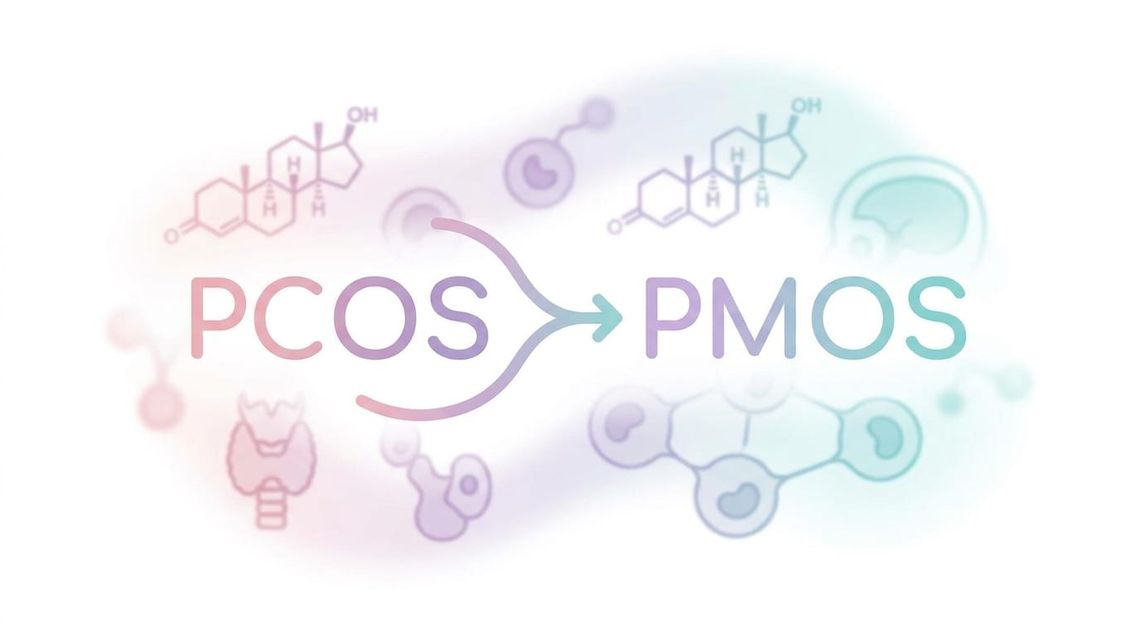
📢 Important Update: PCOS is Now PMOS
In May 2026, Polycystic Ovary Syndrome (PCOS) was officially renamed Polyendocrine Metabolic Ovarian Syndrome (PMOS). The change was published in The Lancet and endorsed by 56 medical organisations worldwide, including the Endocrine Society.
The name PMOS better reflects what the condition actually is: a hormonal and metabolic disorder that affects multiple body systems — not just the ovaries. Research confirmed that there is no increase in abnormal cysts in PMOS, which made the old PCOS name misleading. The new name PMOS puts the focus where it belongs: on the endocrine (hormone) and metabolic changes that drive PMOS symptoms.
If you've been diagnosed with PCOS, your diagnosis is now PMOS. Nothing about your condition or treatment has changed — only the name. Throughout this article, we use both PCOS and PMOS so you can find the information you need, whichever term you search for.
If you have PCOS and you're reading this, you've probably already been told two conflicting things: "You'll struggle to get pregnant" and "Plenty of women with PCOS have babies." Both are partially true, neither is helpful, and you're here because you want actual answers.
Here they are. I'm going to walk you through what the research says about PCOS and pregnancy — the real risks, the numbers, and most importantly, what you can do before and during pregnancy to stack the odds in your favour. This isn't a scare piece, and it's not toxic positivity. It's the honest, evidence-based picture.
🔑 Key Takeaways
- PCOS doesn't mean infertility — most women with PCOS can conceive, sometimes with help. Ovulation induction (letrozole is now first-line) is effective for 60-80% of anovulatory PCOS women.
- Pregnancy risks are real but manageable — a 2024 Nature Communications meta-analysis confirmed elevated odds of GDM, pre-eclampsia, and miscarriage, but early monitoring dramatically reduces complications.
- Preconception optimisation matters — weight management, blood sugar control, and targeted supplements (inositol, CoQ10) started 3-6 months before trying can significantly improve outcomes.
- Metformin during early pregnancy may reduce miscarriage risk in PCOS — a 2025 meta-analysis in the American Journal of Obstetrics & Gynecology supports preconception metformin continued into the first trimester.
- You will likely need extra monitoring — but that's a good thing, not a punishment. More check-ups mean earlier detection and better outcomes.
Understanding PCOS and Why It Affects Pregnancy
PCOS (polycystic ovary syndrome) is a hormonal condition affecting roughly 1 in 10 women. At its core, it involves three interlinked issues: insulin resistance (your body doesn't process glucose efficiently), elevated androgens (male hormones like testosterone that are higher than normal), and irregular or absent ovulation.
That last point is the main fertility barrier. If you're not ovulating regularly — or at all — you can't conceive naturally each month. But here's what people miss: PCOS isn't an on/off switch for ovulation. Many women with PCOS ovulate sometimes, unpredictably. The egg quality itself is often perfectly fine. It's the timing that's disrupted.
During pregnancy, PCOS creates additional challenges through two main pathways: the insulin resistance continues (raising the risk of gestational diabetes), and the inflammatory environment associated with PCOS can increase the risk of complications like pre-eclampsia. Understanding these mechanisms is the first step to managing them.
The Real Risks: What the Research Actually Shows
I'm going to give you numbers because I think you deserve to see the actual data, not vague reassurances. But I want you to keep something in mind: higher odds do not mean inevitable. These are population-level statistics. Your individual risk depends heavily on your specific health, weight, insulin sensitivity, and the quality of your prenatal care.
Gestational Diabetes (GDM)
This is the most significant risk. A 2024 meta-analysis published in Nature Communications — one of the largest and most recent — confirmed that women with PCOS have substantially elevated odds of developing GDM. The EGOI-PCOS position statement (2025) in Frontiers in Endocrinology went further, reporting that GDM develops in approximately 40% of pregnancies in women with PCOS, compared to about 8-10% in the general population.
Why? PCOS and GDM share a common root: insulin resistance. Your body was already struggling with glucose processing before pregnancy, and the hormonal changes of pregnancy (particularly placental hormones) make insulin resistance worse. If you enter pregnancy with existing insulin resistance, you're starting on the back foot.
The good news: GDM is one of the most manageable pregnancy complications. It's detected through routine glucose tolerance testing (usually at 24-28 weeks), and most cases are well-controlled through diet, exercise, and sometimes medication (metformin or insulin).
Pre-eclampsia and Gestational Hypertension
Boomsma et al. (2006) — a widely cited meta-analysis — found that women with PCOS had significantly higher odds of developing pre-eclampsia (OR 3.47) and pregnancy-induced hypertension (OR 3.67) compared to women without PCOS. The 2024 Nature Communications meta-analysis confirmed these elevated odds with updated data.
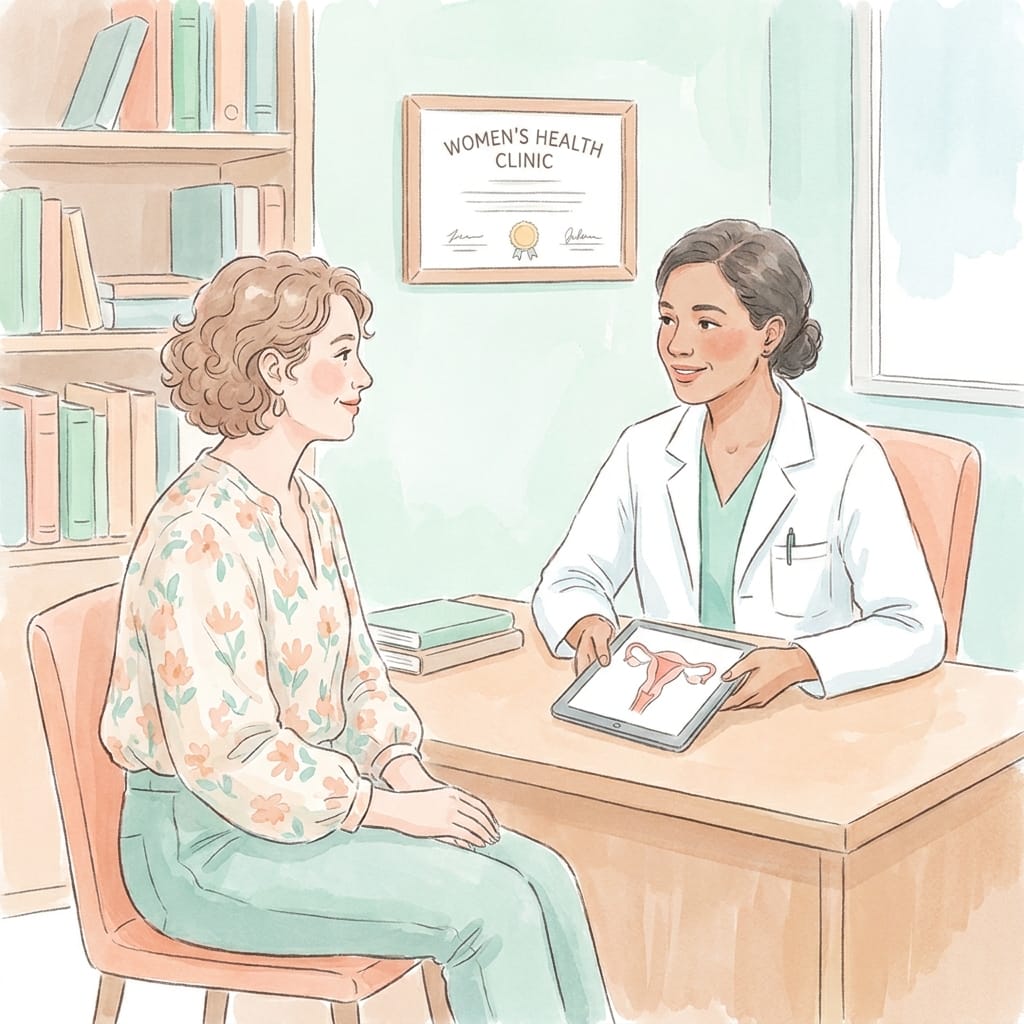
I explain to my clients that pre-eclampsia is serious but manageable when caught early. If you have PCOS, your antenatal team will monitor your blood pressure and urine protein more frequently, particularly in the third trimester. Knowing you're at higher risk actually works in your favour — it means closer watch, earlier detection, and better outcomes.
Miscarriage Risk
Palomba et al. (2015) and multiple meta-analyses have shown that women with PCOS have a higher rate of early miscarriage — roughly 30-50% higher than women without PCOS. The exact mechanism isn't fully understood, but insulin resistance, elevated androgens, and chronic low-grade inflammation are all thought to play a role.
A 2025 meta-analysis in the American Journal of Obstetrics & Gynecology found that preconception metformin continued into the first trimester may reduce miscarriage risk in women with PCOS compared to placebo or no treatment. This is significant — it means there's something concrete you can do to lower this specific risk.
Other Complications
The Nature Communications meta-analysis also identified increased odds of preterm birth, cesarean section, and neonatal intensive care unit (NICU) admission in PCOS pregnancies. However, many of these associations weakened significantly when the analysis controlled for BMI and pre-existing metabolic factors — suggesting that managing your metabolic health before and during pregnancy can substantially reduce your risk.

Preconception: What to Do Before You Start Trying
This is where Dani's core message comes in: start preparing at least 3-6 months before you want to conceive — ideally a full year, as I recommend for all my clients. For PCOS, this preconception window is even more important.
Blood Sugar Management
Getting your insulin sensitivity optimised before pregnancy is the single most impactful thing you can do. This means:
- Regular meals — avoid skipping meals and aim for balanced plates (protein + healthy fat + complex carb) at every meal to prevent blood sugar spikes.
- Movement after meals — even a 10-minute walk after eating significantly improves glucose processing. This is one of my top recommendations for PCOS clients.
- Consider myo-inositol — a vitamin-like compound that improves insulin sensitivity. A 40:1 ratio of myo-inositol to D-chiro-inositol (4g daily) has the strongest evidence for improving ovulation in PCOS. Discuss with your doctor before starting.
- Reduce refined sugars — not eliminate, but reduce. Focus on whole foods, Mediterranean-style eating, and complex carbohydrates.
Weight Management (If Applicable)
I know this is a sensitive topic, and I want to be clear: your weight does not define your worth, and PCOS makes weight management genuinely harder because of the insulin resistance component. But the evidence is clear that a 5% reduction in body weight can restore ovulation in many women with PCOS. The 2023 international evidence-based guideline from Monash University specifically recommends this as a first-line intervention.
This isn't about crash dieting — that's counterproductive and can suppress ovulation. It's about sustainable, gentle changes: the Mediterranean diet, regular movement, sleep optimisation, and stress management.
Supplements with Evidence
- Myo-inositol (4g/day) — best-studied supplement for PCOS fertility. Improves insulin sensitivity, lowers androgens, and may improve ovulation rates.
- Folate (400mcg/day) — standard preconception advice for everyone, but especially important given PCOS-related inflammation.
- CoQ10 (200-400mg/day) — supports egg quality and mitochondrial function. Particularly relevant for women with PCOS who may have higher oxidative stress.
- Vitamin D — deficiency is common in PCOS and associated with worse pregnancy outcomes. Get your levels tested and supplement if below 75 nmol/L.
- Omega-3 fatty acids — anti-inflammatory and support hormone production.
Working with Your Doctor
Before trying to conceive, ask your GP or fertility specialist for:
- Fasting glucose and HbA1c (to assess insulin resistance baseline)
- Thyroid function tests
- Vitamin D levels
- Discussion of metformin — if you're not already on it, there's good evidence it reduces miscarriage risk when started preconception
- Referral to a dietitian if you need support with dietary changes
During Pregnancy: What to Expect with PCOS
Extra Monitoring (and Why That's Good)
With PCOS, you'll likely have more frequent appointments than a typical pregnancy. This usually includes:
- Earlier glucose tolerance testing (sometimes at 16 weeks rather than the standard 24-28 weeks)
- More frequent blood pressure checks
- Growth scans in the third trimester
- Potentially earlier induction if complications arise
This isn't because your pregnancy is doomed — it's because catching complications early leads to better outcomes. Think of it as extra safety checks, not extra problems.
Medications Safe in Pregnancy
Some medications commonly used for PCOS are safe to continue in pregnancy; others are not:
- Metformin — generally considered safe in pregnancy and may reduce GDM and miscarriage risk. Many specialists recommend continuing it through at least the first trimester.
- Myo-inositol — emerging evidence suggests it's safe in pregnancy and may reduce GDM risk, but discuss with your doctor.
- Spironolactone — must be stopped before conception (anti-androgen, not safe in pregnancy).
- Statins — must be stopped before conception.
The Emotional Side of PCOS and Pregnancy
Let me be honest about something the medical literature doesn't always capture: having PCOS and trying to conceive is emotionally exhausting. The irregular cycles make timing unpredictable. The extra blood tests and monitoring add anxiety. The statistics about higher risks can feel overwhelming. And well-meaning people telling you to "just relax" is salt in the wound.
I've worked with enough PCOS clients to know that the emotional burden is real and valid. If you're feeling anxious, frustrated, or scared — that's a normal response to an objectively harder situation. Don't dismiss your feelings as "just hormones." Seek support from PCOS-specific communities (Verity, the PCOS charity, has excellent forums), and consider counselling if the anxiety becomes overwhelming.
The Bottom Line
PCOS adds complexity to the fertility journey, but it absolutely does not close the door on pregnancy. The research consistently shows that women with PCOS can and do have healthy pregnancies — especially when they enter pregnancy with optimised metabolic health, appropriate medical support, and realistic expectations about monitoring. The elevated risks are real, but they're manageable. And the preconception steps you take now — blood sugar management, supplements, lifestyle changes — pay dividends throughout pregnancy and beyond.
Frequently Asked Questions
▸Can I get pregnant naturally with PCOS?
Yes, many women with PCOS conceive naturally. PCOS affects ovulation regularity, not egg quality itself. Some women with PCOS ovulate intermittently. If you're not ovulating regularly, ovulation induction medications like letrozole (now first-line, replacing clomiphene) can be very effective, with success rates of 60-80% over several cycles.
▸Will I definitely get gestational diabetes if I have PCOS?
No — while the risk is higher (approximately 40% of PCOS pregnancies develop GDM), that means 60% don't. Managing your insulin sensitivity before and during pregnancy significantly reduces your risk. Even if you do develop GDM, it's very manageable with diet, exercise, and medication if needed.
▸Should I take metformin during pregnancy if I have PCOS?
A 2025 meta-analysis in the American Journal of Obstetrics & Gynecology found that preconception metformin continued into the first trimester may reduce miscarriage risk in women with PCOS. Many specialists now recommend continuing metformin through at least the first trimester. However, this is a medical decision — discuss it with your doctor or fertility specialist.
▸Does PCOS increase the chance of miscarriage?
The evidence suggests a moderately increased risk — roughly 30-50% higher than in women without PCOS. The underlying causes are thought to include insulin resistance, elevated androgens, and chronic inflammation. Preconception optimisation (blood sugar management, supplements, metformin where appropriate) can help reduce this risk.
▸What supplements should I take for PCOS fertility?
The best-studied supplement for PCOS fertility is myo-inositol (4g/day in a 40:1 ratio with D-chiro-inositol). Also take folate (400mcg), CoQ10 (200-400mg), vitamin D (if deficient), and omega-3 fatty acids. Always discuss supplements with your doctor before starting, especially if you're on metformin or other medications.
▸Will my PCOS get worse during pregnancy?
PCOS symptoms themselves often improve during pregnancy because pregnancy hormones (particularly progesterone) naturally suppress ovulation and alter the hormonal environment. However, the underlying insulin resistance doesn't go away — and pregnancy hormones can make it worse, which is why GDM screening is important. Your PCOS symptoms typically return after delivery, especially if you're not breastfeeding.
References
- Bahri Khomami, M., et al. (2024). Systematic review and meta-analysis of pregnancy outcomes in women with polycystic ovary syndrome. Nature Communications, 15, 5985. Nature
- Boomsma, C.M., et al. (2006). A meta-analysis of pregnancy outcomes in women with polycystic ovary syndrome. Human Reproduction Update, 12(6), 673–683. PubMed
- American Journal of Obstetrics & Gynecology (2025). Preconception and first-trimester metformin on pregnancy outcomes in women with PCOS: a systematic review and meta-analysis. AJOG
- Palomba, S., et al. (2015). Pregnancy complications in women with polycystic ovary syndrome. Human Reproduction Update, 21(5), 575–592.
- Frontiers in Endocrinology (2025). Gestational diabetes mellitus and polycystic ovary syndrome: a position statement from EGOI-PCOS. Frontiers
- International Evidence-Based Guideline for PCOS (2023). Monash University. PDF
Medical Disclaimer: The information in this article is for educational purposes only and is not a substitute for professional medical advice. PCOS management during pregnancy should always be guided by your GP, obstetrician, or reproductive endocrinologist. If you have PCOS and are planning a pregnancy, please consult your healthcare provider for personalised guidance.
Written by

Subscribe to Fertilitys
All my Free Resources. No spam. Unsubscribe anytime.