Iron Deficiency in Pregnancy: Why It Matters and What to Eat
About 1 in 5 pregnant women develop iron deficiency anaemia. Here's how to spot the signs, which foods boost absorption, when you need a supplement, and why iron matters before conception too.


Why iron becomes critical in pregnancy
Your body does something remarkable during pregnancy: it increases your blood volume by approximately 45%. That's nearly half again as much blood circulating through your body by the third trimester — all to support your growing baby, the placenta, and your own expanding tissues.
More blood means more red blood cells. More red blood cells means more haemoglobin. And haemoglobin needs iron. If you start pregnancy with low stores, or you can't keep up with the increased demand, your body runs short — and both you and your baby feel the effects.
What I find frustrating is how often this gets normalised. "You're pregnant, of course you're tired." And yes, pregnancy is tiring. But the bone-deep exhaustion, the breathlessness walking up stairs, the brain fog that makes you forget the word for "kettle" — that's not just pregnancy. That's often iron deficiency wearing a pregnancy mask, and it's treatable.
The number your GP might not check
This is something I explain to every client and I wish more women knew: haemoglobin and ferritin are not the same thing.
Haemoglobin measures how much oxygen-carrying protein is in your blood right now. It's your current account. Ferritin measures stored iron — your savings account. Many GPs only test haemoglobin, so your result looks "normal" while your ferritin is scraping the floor. You feel terrible, but the test says you're fine.
You're not fine. Your body is draining its savings to keep the current account afloat.
- Ferritin below 15 μg/L: iron deficiency confirmed
- Ferritin 15–30 μg/L: depleted stores, at risk during pregnancy
- Ferritin 30–50 μg/L: adequate but tight
- Ferritin above 50 μg/L: good starting position for pregnancy
If you're planning to conceive, ask your GP for ferritin specifically. It costs the NHS about £3 and it's the most useful iron test you can get.
What iron deficiency does to you and your baby
For you: exhaustion beyond normal pregnancy tiredness, breathlessness on mild exertion, heart palpitations, brain fog, increased susceptibility to infections, higher risk of postnatal depression, and significantly worse postpartum recovery. If you haemorrhage during birth with already-depleted stores, recovery takes months.
For your baby: A 2023 review found that maternal iron deficiency is associated with lower birth weight, increased risk of preterm birth, and potential impacts on neonatal brain development (Ataide et al., 2023). A BMJ meta-analysis found that for every 10mg increase in daily iron intake, maternal anaemia risk fell by 12% (Haider et al., 2013).
Your baby builds their own iron stores during the third trimester, drawing from yours. Babies born to iron-deficient mothers start life with lower reserves — and infant iron deficiency is linked to developmental effects that may persist beyond infancy.
Signs you might be low
Many symptoms overlap with normal pregnancy tiredness, which is exactly what makes iron deficiency so sneaky. The woman who can barely climb stairs at 20 weeks gets told "that's normal in pregnancy" — and sometimes it is. But sometimes she's profoundly iron deficient and nobody's checked.
Here's what to watch for:
- Extreme fatigue that doesn't improve with rest — the kind where 10 hours of sleep barely touches it
- Breathlessness on mild exertion — stairs, walking uphill, carrying shopping bags
- Pale nail beds and inner eyelids — pull down your lower eyelid gently. It should be rich red, not pale pink. This is actually one of the quickest screening methods used worldwide
- Unusual cravings for non-food items — ice (this is the most common one), chalk, soil, the smell of bleach. Called pica, and it's surprisingly common in iron deficiency. If you're crunching ice constantly, mention it to your midwife
- Restless legs at night — that irresistible urge to move your legs, especially when trying to sleep. Iron deficiency is one of the most treatable causes
- Cold hands and feet even in a warm room
- Frequent infections or slow recovery from colds — iron supports white blood cell function
- Brain fog — difficulty finding words, forgetting things immediately, struggling with decisions that would normally be simple. This is iron deficiency affecting your brain's oxygen supply, not "pregnancy brain"
If any of these ring true, ask for both a full blood count and ferritin. Don't accept "your haemoglobin is fine" if you feel terrible. Ask for the actual ferritin number.
Iron-rich foods and the absorption rules
There are two types of dietary iron, and the difference transforms how effectively you eat:
| Type | Sources | Absorption | Key Point |
|---|---|---|---|
| Heme iron | Red meat, poultry, fish | 15–35% | Absorbed directly. Not affected by other foods. |
| Non-heme iron | Lentils, beans, spinach, tofu, cereals | 2–20% | Needs vitamin C to absorb well. Blocked by tea/coffee. |
That absorption difference is enormous — vitamin C can increase non-heme absorption by 2–6 times.
The rules that matter most:
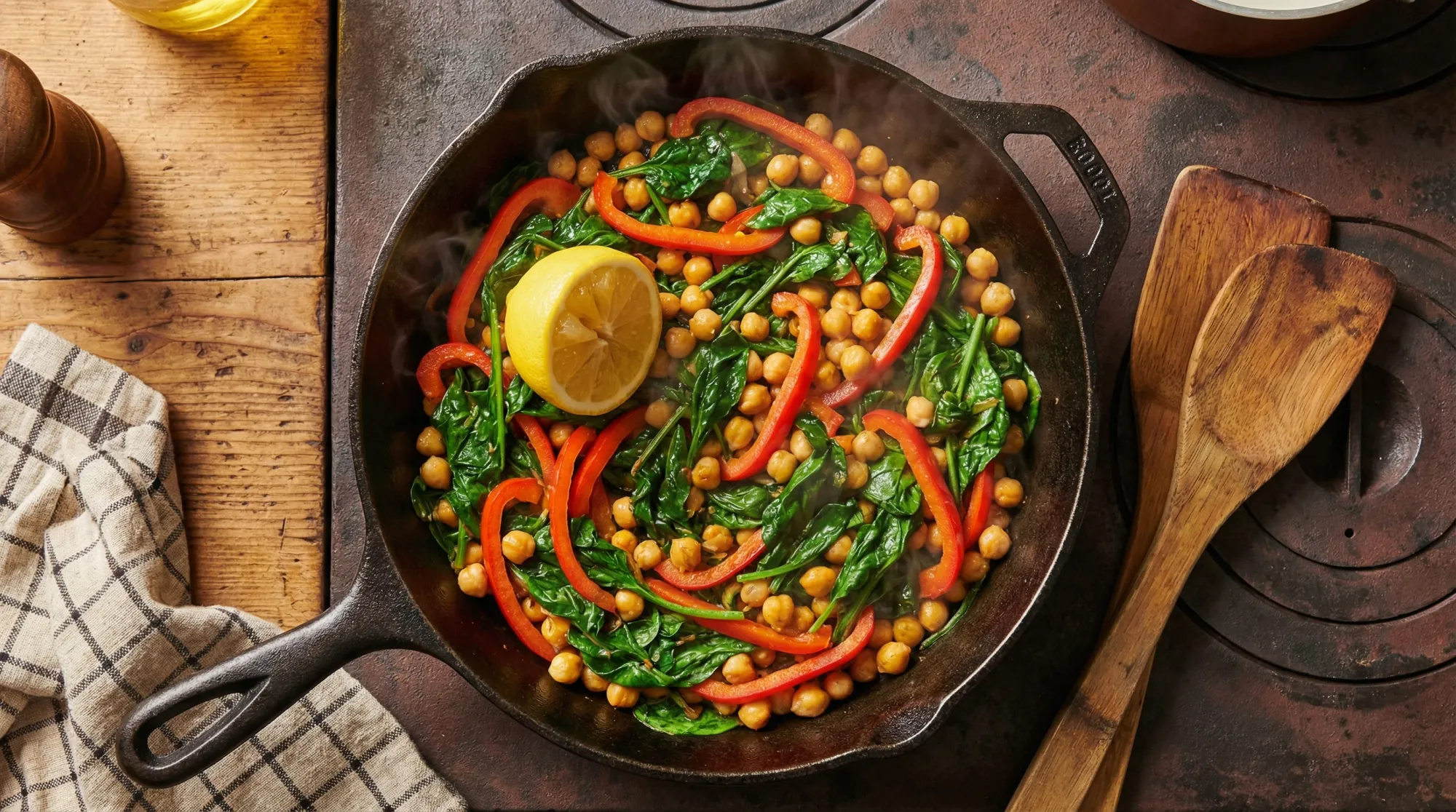
- Pair plant iron with vitamin C — lemon on lentil soup, strawberries with cereal, bell peppers in bean stew
- Separate tea and coffee from meals — tannins reduce absorption by up to 60%. Wait an hour after eating. This single change is the most impactful absorption tip I give
- Cook in cast iron — genuinely increases food's iron content, especially acidic dishes like tomato sauce
- Don't take calcium and iron together — they compete for absorption
Best foods: Lean red meat (3.5mg/100g), lentils (3.3mg/100g cooked), tofu (5.4mg/100g), pumpkin seeds (8.8mg/100g), fortified cereals (up to 14mg/serving), chicken thighs, sardines, spinach, chickpeas, dried apricots.
🌿 Dani Recommends
A 10-minute iron-boost lunch
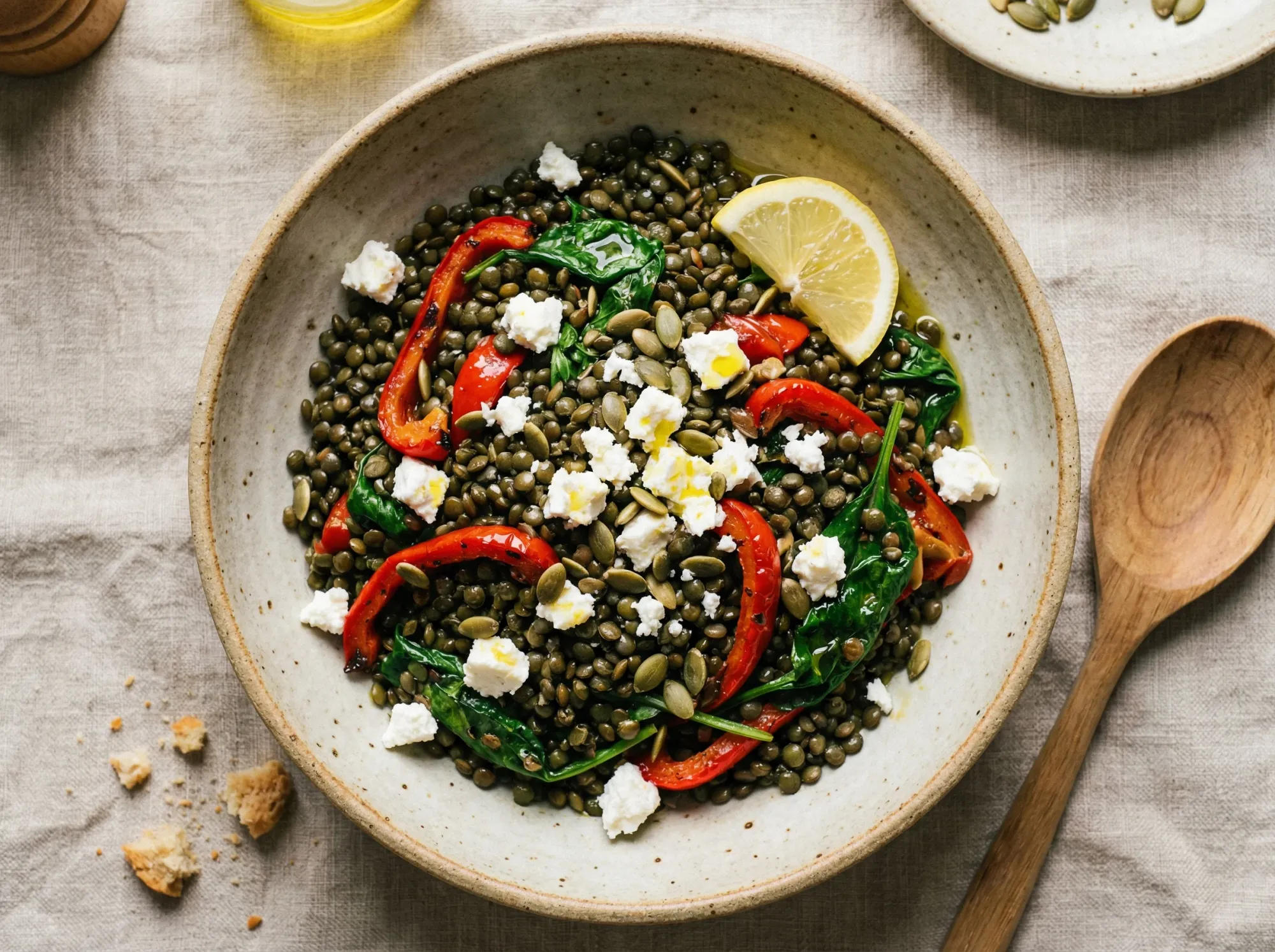
My go-to when I want to pack in iron without overthinking: warm Puy lentils with roasted red peppers, wilted spinach, crumbled feta, and a generous squeeze of lemon. The lentils bring the iron, the peppers and lemon bring the vitamin C to absorb it, and the spinach adds even more on top. It takes 10 minutes if you batch-cook lentils on Sunday — which I always do, because a big pot portioned into jars lasts until Wednesday and makes every lunch this easy. Throw pumpkin seeds on top for extra iron and crunch. I sometimes add a soft-boiled egg for heme iron. The whole thing costs about £1.50 and gives you more absorbable iron than most supplements.
When you need a supplement
Food first, always — nutrients from food come with cofactors and are generally better absorbed. But there are situations where food alone isn't enough:
- Your ferritin is below 30 μg/L — even if haemoglobin looks "normal"
- You're diagnosed with iron deficiency anaemia
- You're carrying twins or multiples
- You're vegetarian or vegan and relying entirely on non-heme sources
- Your pregnancies are close together — less time to rebuild between them
- You have heavy periods that have depleted stores over years
Forms matter: Ferrous sulphate is most commonly prescribed in the UK — it's effective and cheap, but it causes constipation, nausea, and stomach pain in a significant number of women. These side effects are the main reason women stop taking it, which defeats the purpose.
Iron bisglycinate (chelated iron) is, in my experience, the form that women actually stick with. It causes significantly less GI distress, absorbs well at lower doses, and doesn't need to be taken on an empty stomach — though absorption is still better that way. It costs more than ferrous sulphate, but the compliance difference is enormous. If your GP prescribes ferrous sulphate and you can't tolerate it, ask about alternatives rather than just stopping.
Practical tips: Take iron with a glass of orange juice (vitamin C). If it upsets your stomach, try taking it before bed. Don't take it with tea, coffee, milk, or calcium supplements — all reduce absorption significantly. Dark stools are normal and expected on iron supplements.
Expect to supplement for at least 3 months to fully rebuild stores. Haemoglobin typically improves within 2–4 weeks (and you'll feel better), but ferritin takes much longer to recover. Don't stop early just because you feel better — your savings account isn't full yet.
Iron and fertility — before pregnancy
Low iron before pregnancy affects fertility directly. The Nurses' Health Study II found that women taking iron supplements had significantly lower rates of ovulatory infertility. Heavy periods — common with fibroids, adenomyosis, and endometriosis — deplete stores silently over years.
If you have heavy periods, get your ferritin checked before trying to conceive. Building stores to above 50 μg/L beforehand is much easier than catching up during pregnancy when demand is high and nausea may limit eating.
Don't forget postpartum
Almost no one talks about this, and it matters enormously for how you feel in those early months with your baby.
Blood loss during birth depletes iron stores — even an uncomplicated vaginal delivery involves blood loss, and caesarean sections or postpartum haemorrhage significantly more. If you entered birth with borderline stores, you come out the other side genuinely depleted.
The symptoms — exhaustion, brain fog, low mood, irritability, feeling overwhelmed — overlap almost perfectly with "normal" new-parent tiredness. This makes it incredibly easy to dismiss. "Of course I'm tired, I have a newborn." But iron-deficiency tiredness on top of sleep-deprivation tiredness is a different level. It's the difference between being tired and being unable to function. And it's fixable — that's the part that makes it so frustrating when it goes undiagnosed.
Depleted iron is also linked to increased risk of postnatal depression. If you're feeling lower than you expected postpartum, getting your iron checked should be one of the first steps — before assuming it's "just" the baby blues.
Ask your midwife or GP to check your ferritin 6 weeks postpartum, especially if you had significant blood loss, feel worse than expected, or have symptoms of postnatal depression. Supplementing can make a meaningful difference to your energy, mood, and ability to cope during the most demanding period of your life.
The bottom line
Iron deficiency is common, underdiagnosed, and has real consequences. Eat iron-rich foods at every meal, pair plant iron with vitamin C, separate tea from mealtimes, and get tested if you're symptomatic. Start paying attention before pregnancy, not after your midwife flags low haemoglobin at your booking appointment. By then, you're catching up instead of staying ahead.
How much iron do I need during pregnancy?
27mg daily (up from 14.8mg). If you're diagnosed with anaemia, your GP may prescribe 100–200mg elemental iron daily. Most women can meet the standard requirement through iron-rich foods and a prenatal vitamin, but get your ferritin tested to know where you stand.
Can low iron affect fertility?
Yes. Iron deficiency is associated with anovulation, and the Nurses' Health Study II found that iron supplementation reduced ovulatory infertility risk. Heavy periods deplete iron over time. Get your ferritin checked before trying to conceive.
Why does tea reduce iron absorption?
Tannins in tea and coffee bind to non-heme iron, reducing absorption by up to 60%. Wait at least an hour after iron-rich meals before drinking tea or coffee. This single change can meaningfully improve your iron status.
What's the best iron supplement for pregnancy?
Ferrous sulphate is most commonly prescribed. If it causes stomach upset, iron bisglycinate (chelated iron) is better tolerated with higher absorption. Take with vitamin C on an empty stomach. Avoid taking with tea, coffee, or calcium.
Should vegetarians supplement iron during pregnancy?
Many should. Non-heme iron has lower absorption rates (2–20%). While careful food choices and vitamin C pairing can help, get your ferritin checked early in pregnancy and supplement if below 30 μg/L.
References
- Garzon, S. et al. (2024). Iron Deficiency Anaemia in Pregnancy. Journal of Clinical Medicine. PMC
- Ataide, R. et al. (2023). Iron deficiency, pregnancy, and neonatal development. International Journal of Gynecology & Obstetrics, 162(S2), 14–22. Wiley
- Haider, B.A. et al. (2013). Anaemia, prenatal iron use, and risk of adverse pregnancy outcomes. BMJ, 346, f3443. BMJ
- Chavarro, J.E. et al. (2006). Iron intake and risk of ovulatory infertility. Obstetrics & Gynecology, 108(5), 1145–1152.
- NICE. (2021). Antenatal care (NG201). NICE
- NIH Office of Dietary Supplements. (2024). Iron: Fact Sheet for Health Professionals. NIH
Medical disclaimer: This article is for informational purposes only and does not constitute medical advice. Iron supplementation during pregnancy should be guided by your GP, midwife, or obstetrician based on your individual blood results.
Written by

Subscribe to Fertilitys
All my Free Resources. No spam. Unsubscribe anytime.