Quick Answer
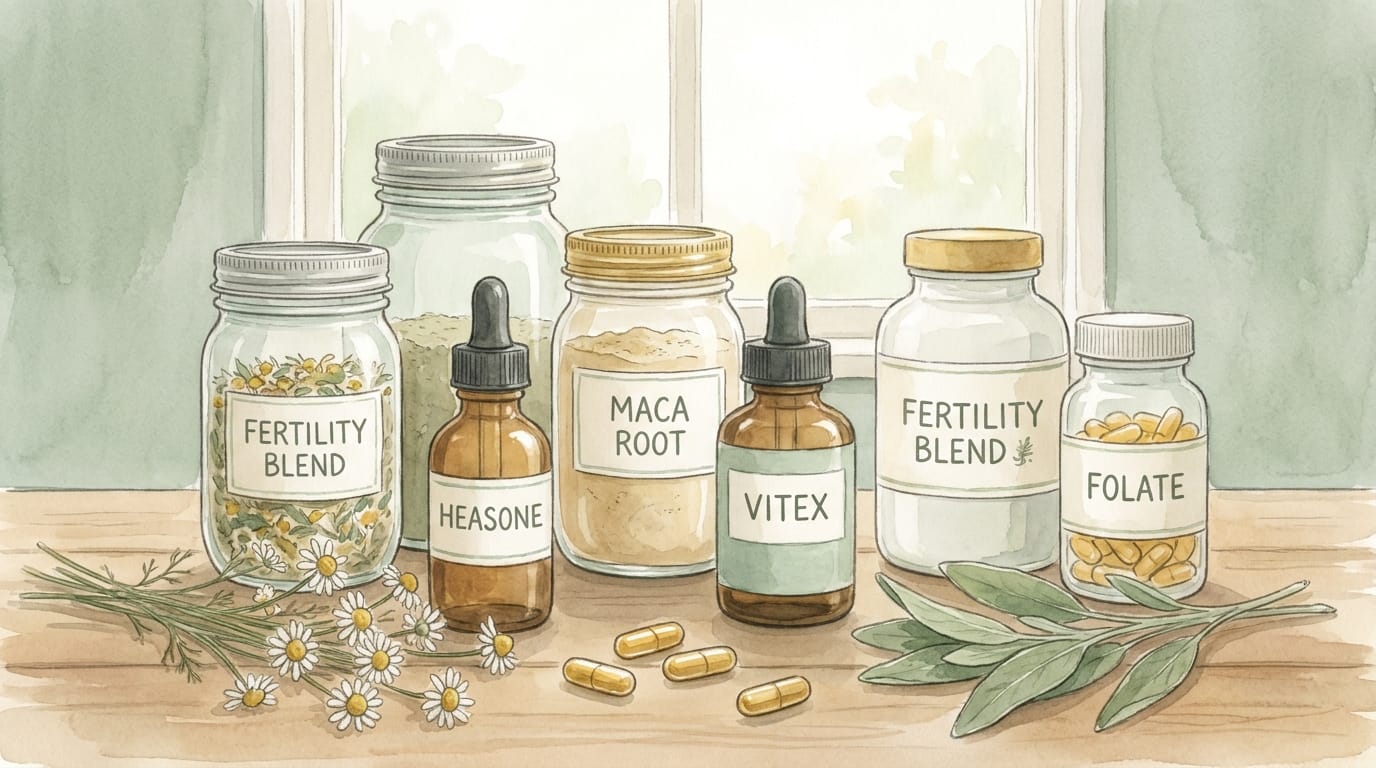
The fertility supplement market is overwhelming, and honestly, a lot of it is overhyped. I've spent years studying reproductive nutrition, and I can tell you that while some supplements genuinely have evidence behind them, others are just expensive placebos. Let me cut through the noise and tell you what's actually worth taking.
Key Takeaways
- Folic acid is the only universally recommended preconception supplement - start 3 months before trying
- CoQ10 shows promise for egg quality, especially in women over 35
- Myo-inositol can restore ovulation in PCOS combined with D-chiro-inositol in a 40:1 ratio
- Vitamin D deficiency is linked to lower fertility - get your levels tested
- For male fertility, zinc, selenium, CoQ10, and omega-3s have the strongest evidence
- No supplement replaces a balanced diet, healthy weight, and medical guidance
In This Article
Why Supplements Matter for Fertility
When I first started researching fertility supplements, I was overwhelmed by the sheer number of products making bold promises. The reality is more nuanced - some supplements have solid clinical evidence, while others are expensive placebos with good marketing.
I want to be completely upfront: supplements are not magic solutions. They work best as part of a broader approach including good nutrition, stress management, adequate sleep, and medical guidance. But specific micronutrient deficiencies can genuinely impair fertility, and targeted supplementation can fill those gaps effectively.
According to a systematic review by Agarwal et al. (2018), micronutrient deficiencies are significantly more common in couples experiencing infertility than in the general population. Correcting these deficiencies through targeted supplementation can improve measurable fertility outcomes including conception rates, sperm parameters, and IVF success.
What I have learned from years of working with readers is that most people approach supplements backwards - they buy a flashy product first and research later. I want to flip that approach for you: identify your actual needs through testing, choose evidence-based options at clinical doses, and then make your purchase with confidence.
The follicle that will release your egg begins developing approximately 3 months before ovulation. Sperm take roughly 74 days to fully mature. This means whatever supplements you take today will only affect gametes that mature 2 to 3 months from now. Starting early is not optional - it is biological necessity.
Essential Supplements for Women
Folic Acid (Vitamin B9)
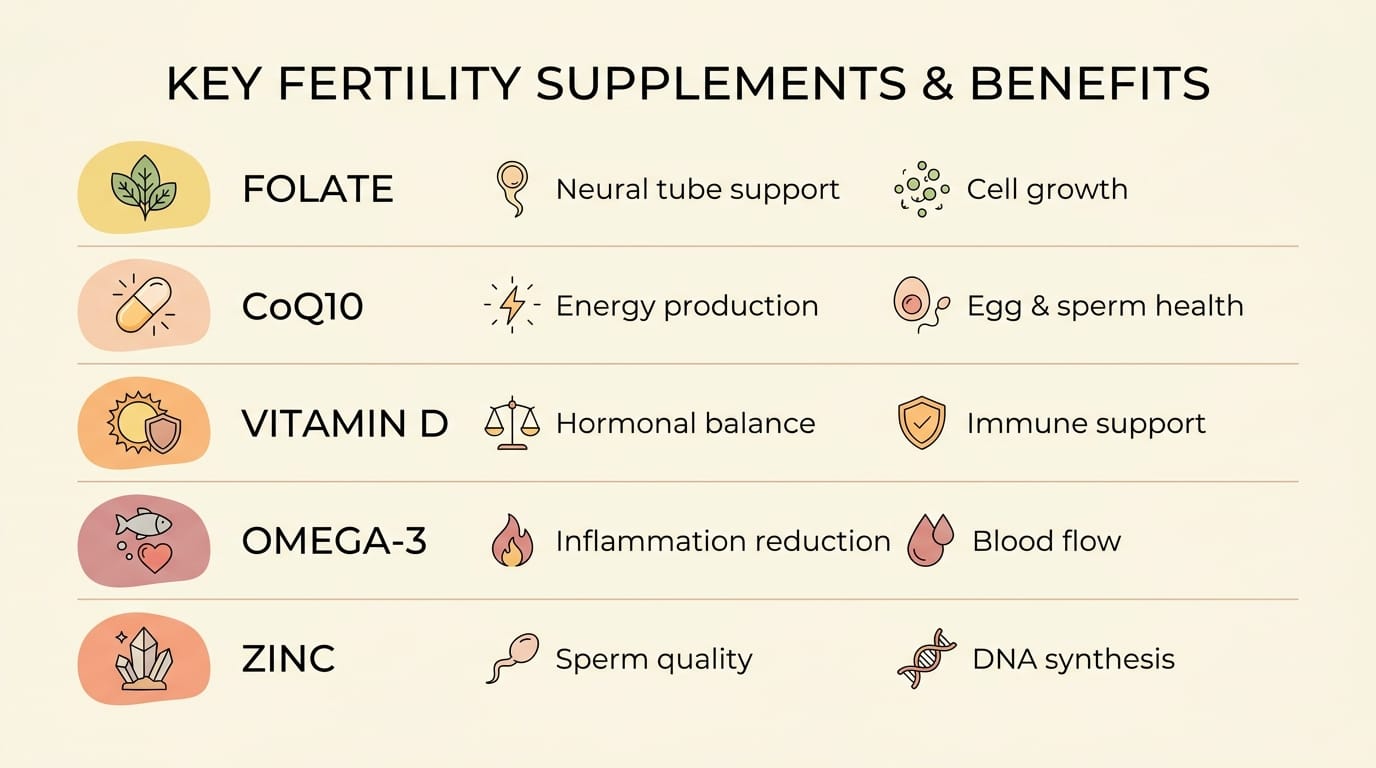
This is the one supplement every woman should take when trying to conceive, without any exception. I have never met a fertility specialist who disagreed with this fundamental recommendation. Take 400 to 800 mcg daily, noting that some women with MTHFR gene variants need the methylfolate form instead of synthetic folic acid.
Folic acid prevents neural tube defects, and the critical window for protection is before you even know you are pregnant - often within the first 28 days after conception. A comprehensive Cochrane review by De-Regil et al. (2015) confirmed that supplementation starting before conception reduces neural tube defects by approximately 70 percent. Start at least one month before trying, ideally three months.
Coenzyme Q10
This is the supplement I get asked about most, and the research behind it is genuinely exciting. Take 200 to 600 mg daily, with the ubiquinol form being significantly better absorbed than the more common ubiquinone form. CoQ10 supports mitochondrial function in eggs, and mitochondrial energy production declines with age - which is one reason egg quality decreases after 35.
Bentov et al. (2014) demonstrated improved ovarian response in animal models, and human IVF trials show promising results especially for women over 35. I recommend discussing dosage with your doctor, particularly if you take blood thinners, as CoQ10 can interact with warfarin.
Vitamin D
Often called the sunshine vitamin, vitamin D plays a much bigger role in fertility than most people realise. Take 1,000 to 2,000 IU daily, adjusting based on blood levels with an optimal range of 30 to 50 nanograms per millilitre. Vitamin D receptors are present throughout the reproductive system - in the uterus, ovaries, and placenta. Deficiency is clinically linked to anovulation and poor IVF outcomes.
Ozkan et al. (2010) found that women with sufficient vitamin D had significantly higher IVF success rates than those who were deficient. I always recommend getting your 25-hydroxyvitamin D levels tested before starting supplementation, as it is a simple blood test that provides valuable baseline information.
Omega-3 Fatty Acids
Take 1,000 to 2,000 mg combined DHA and EPA daily, either from fish oil or algae-based supplements for vegetarians. These essential fatty acids support fetal brain development, reduce systemic inflammation, and may improve egg quality. Hammiche et al. (2011) found that higher preconception omega-3 intake was associated with measurably better IVF outcomes.
Myo-Inositol (Especially for PCOS)
If you have PCOS, this is the supplement I would prioritise above all others. Take 2 to 4g daily, ideally combined with D-chiro-inositol in a 40:1 ratio, which mirrors the body natural proportion. Myo-inositol improves insulin sensitivity, helps restore regular ovulation, and may improve egg quality.
Unfer et al. (2017) published results from a large multicentre trial showing significant improvements in ovulation frequency compared to folic acid alone. I have seen remarkable reader feedback - it is one of the few supplements where the before-and-after stories are consistently and genuinely positive.
Essential Supplements for Men
Male fertility accounts for roughly 40 to 50 percent of infertility cases, yet it is routinely overlooked in supplement discussions. I want to give this the attention it deserves because both partners matter.
Zinc
Take 25 to 50 mg daily in picolinate or citrate form for better absorption. Zinc is essential for testosterone production, sperm formation, and motility. Ebisch et al. (2006) found that zinc combined with folic acid improved sperm concentration in subfertile men, making this one of the most well-supported male fertility supplements available.
Selenium
Take 55 to 100 mcg daily in selenomethionine form. Selenium protects sperm from oxidative damage as a critical component of selenoprotein enzymes in the testes. Safarinejad and Safarinejad (2009) demonstrated improved sperm motility and morphology with selenium supplementation.
CoQ10 for Men
Take 200 to 300 mg daily. CoQ10 improves sperm motility by supporting the mitochondrial energy production that powers sperm tail movement. Safarinejad et al. (2012) found that 200 mg daily for 6 months significantly improved sperm density, motility, and morphology.
L-Carnitine
Take 1 to 3g daily of acetyl-L-carnitine or L-carnitine L-tartrate. This amino acid derivative supports energy metabolism specifically in sperm cells. A meta-analysis by Zhou et al. (2017) found meaningful improvements in sperm motility for men diagnosed with low motility.
Supplements to Approach with Caution
Not everything marketed as a fertility supplement deserves your money. DHEA can help in specific IVF protocols but should never be self-supplemented without medical supervision, as it can disrupt hormonal balance. High-dose vitamin A in retinol form is teratogenic and can cause birth defects - stay below 10,000 IU daily. Herbal blends without standardisation are risky, and anything promising guaranteed results should be avoided entirely.
I have reviewed hundreds of supplement products over the years, and the ones I trust share common characteristics: they are transparent about ingredients and their sources, they use standardised extracts with consistent potency, and they cite actual peer-reviewed research rather than vague testimonials.
Creating Your Supplement Routine
For women, I recommend: a prenatal multivitamin with folic acid and vitamin D taken in the morning, CoQ10 split into two doses with meals for optimal absorption, and omega-3 with food. If you have PCOS, add myo-inositol twice daily. For men: a quality multivitamin plus zinc and selenium in the morning, CoQ10 and L-carnitine with meals, and omega-3 ongoing. Start this routine at least 3 months before you want to begin trying.
Dani Recommends
🌟 My Approach to Fertility Supplements
- Test first: Get bloodwork to identify actual deficiencies rather than guessing
- Quality over quantity: Three well-researched supplements beat ten random ones
- Consistency matters: A lower daily dose beats a high sporadic dose
- Budget core stack: Folic acid plus vitamin D plus omega-3 for under 15 pounds monthly
- Give it time: Most need 2 to 3 months of consistent use to show effects
The Science Behind Supplement Timing
One aspect of fertility supplementation that I find most readers overlook is timing - not just when in your cycle to start, but when during the day to take each supplement and how to combine them for maximum absorption.
The 3-month lead time I recommend is based on real biology. In women, the primordial follicle that will eventually release your egg begins its final maturation journey approximately 85 to 90 days before ovulation. During this period, the developing oocyte is highly dependent on the nutrients available in your bloodstream. CoQ10, antioxidants, and vitamins all play direct roles in the cellular processes that determine egg quality.
In men, spermatogenesis - the production of new sperm - takes approximately 74 days from start to finish. During this time, the developing sperm cells are vulnerable to oxidative damage, nutritional deficiencies, and environmental toxins. The supplements you take today will not affect sperm that are already mature, but they will protect and support the sperm currently being produced.
Absorption matters too. Fat-soluble supplements like CoQ10, vitamin D, and vitamin E are absorbed significantly better when taken with a meal containing fat. Taking them on an empty stomach wastes a substantial portion of the dose. Water-soluble supplements like vitamin C and B vitamins are absorbed reasonably well on an empty stomach but may cause mild gastrointestinal discomfort in some people.
I also recommend splitting higher doses throughout the day rather than taking everything at once. Your body can only absorb so much of certain nutrients at one time, and excess is simply excreted. For example, taking 400 mg of CoQ10 as two 200-mg doses with breakfast and dinner is more effective than a single 400-mg dose.
Supplement Quality: What to Look For
Not all supplements are created equal, and I have seen significant quality differences between brands during my years of research. Third-party testing by organisations like USP, NSF International, or ConsumerLab provides independent verification that what is on the label matches what is in the bottle. Without third-party testing, you are trusting the manufacturer alone.
Form matters too. Methylfolate is better utilised than folic acid for some women. Ubiquinol is better absorbed than ubiquinone for CoQ10. Chelated minerals like zinc picolinate are better absorbed than zinc oxide. These differences may seem small, but over months of supplementation, they add up to meaningful differences in your actual nutrient levels.
Special Considerations for Different Populations
Fertility supplementation is not one-size-fits-all, and I want to address some specific populations where the approach needs to be tailored. For women over 35, the focus should be on egg quality support through CoQ10, DHEA (under medical supervision only), and antioxidants. As ovarian reserve naturally declines with age, these supplements aim to support the quality of the remaining eggs rather than quantity.
For women with endometriosis, anti-inflammatory supplements like omega-3 fatty acids, NAC, and vitamin D may help manage the inflammatory component of the condition. Some research suggests that NAC may reduce endometriosis lesion size, though more studies are needed. For women with thyroid conditions, selenium is particularly important as it supports the conversion of T4 to the active T3 hormone. Vitamin D and zinc also play roles in thyroid function that can indirectly affect fertility.
For men with varicoceles, which are enlarged veins in the scrotum that can impair sperm production, antioxidant supplementation may provide some benefit while awaiting or alongside surgical correction. CoQ10, vitamin E, and selenium have all shown positive effects on semen parameters in men with varicoceles. For couples undergoing IVF or IUI, the supplement protocol should always be discussed with the fertility clinic team. Some supplements can interfere with stimulation medications or affect egg retrieval outcomes, so transparency with your medical team is essential.
Budget-Friendly Supplement Strategies
I understand that fertility supplements can be expensive, and I do not want cost to be a barrier to good nutrition. Here are my budget-conscious recommendations that I share with readers who are watching their spending. Focus on the three highest-impact supplements: folic acid, vitamin D, and a basic fish oil. Together these cost under 15 pounds per month and cover the most critical bases. Buy generic or store-brand versions of these basic supplements rather than premium fertility-specific brands, which often charge significantly more for the same ingredients.
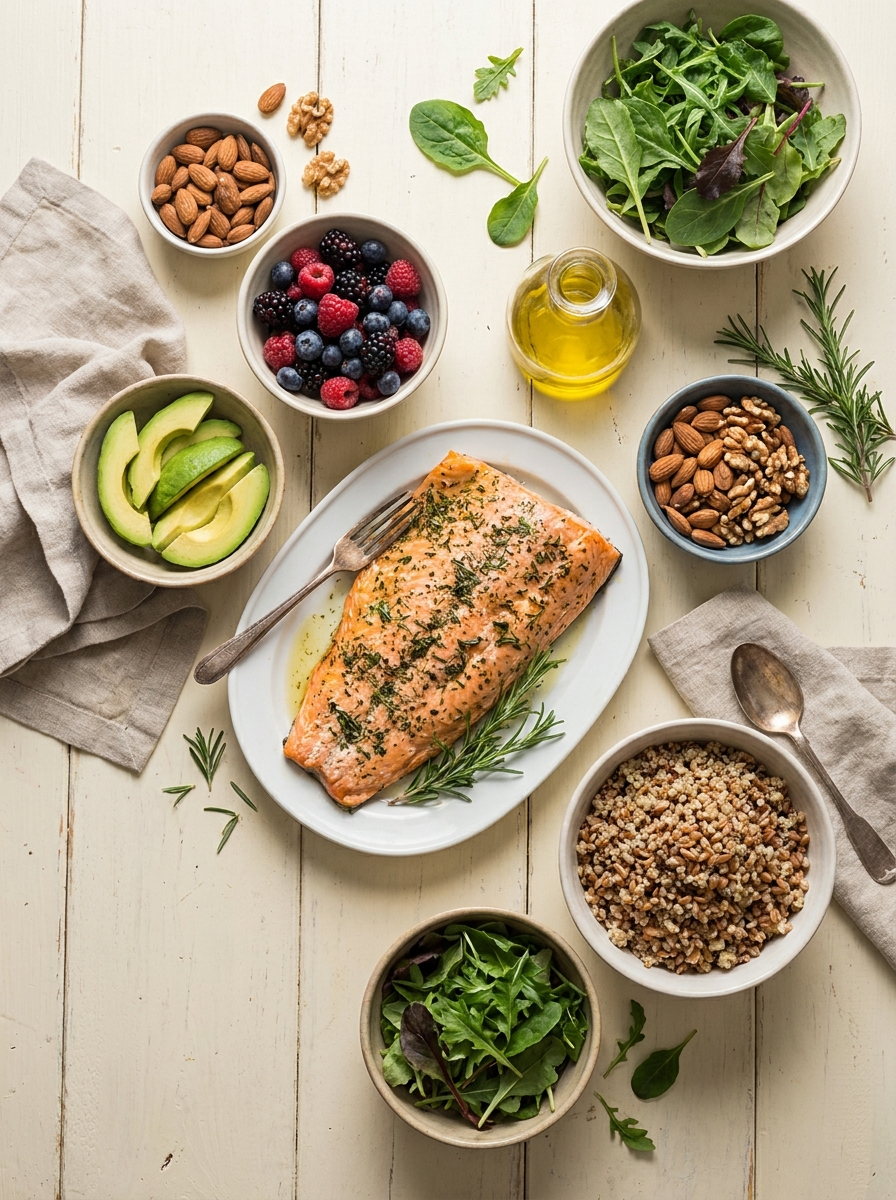
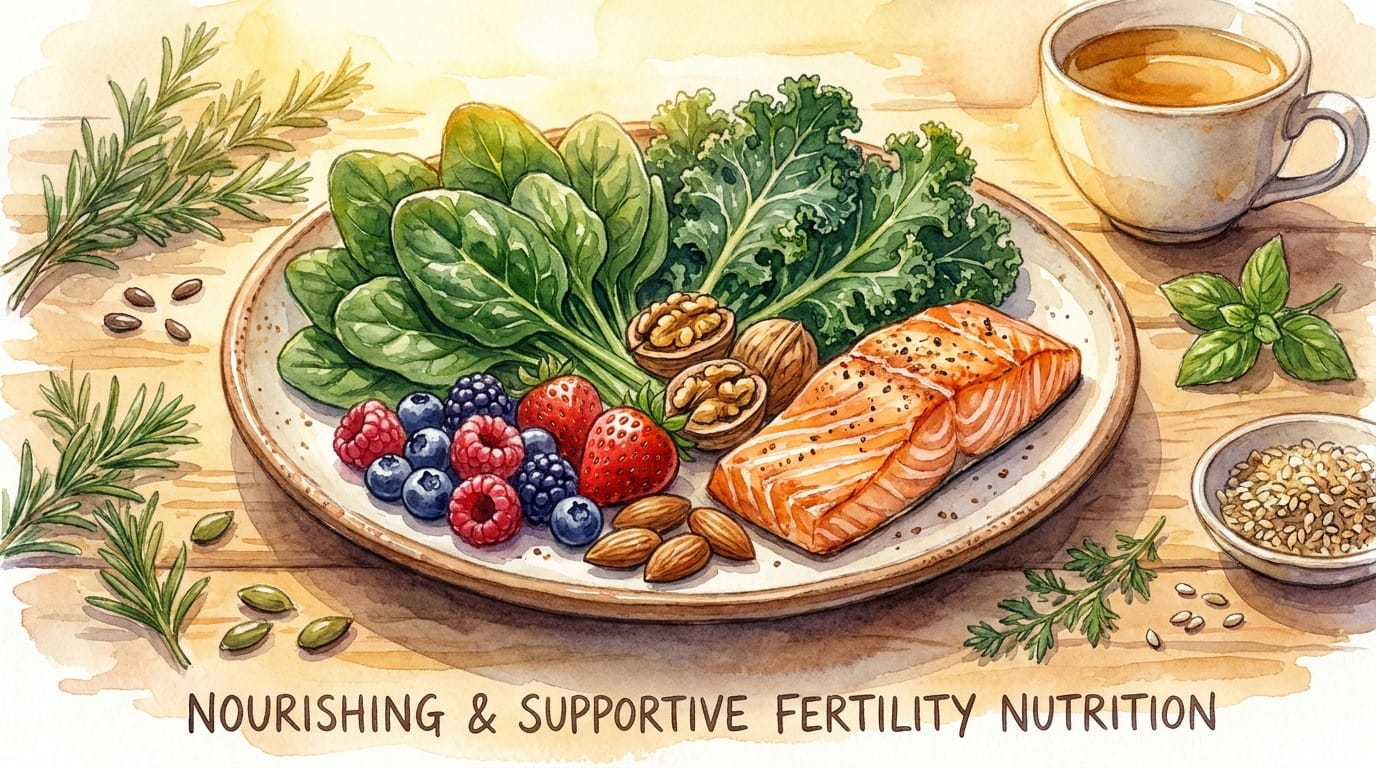
Prioritise food-based nutrition where possible. A bag of frozen spinach, a tin of sardines, and a handful of Brazil nuts provide folate, omega-3, and selenium respectively for a fraction of supplement costs. Consider splitting higher-dose supplements in half if the full dose exceeds what you need. And take advantage of subscription discounts offered by many supplement companies, which typically save 10 to 15 percent on each order.
Frequently Asked Questions
When should I start taking fertility supplements?
Ideally 3 months before trying to conceive. This allows time for nutrient stores to build and for egg or sperm maturation cycles to benefit.
Can supplements cure infertility?
No. They address deficiencies and support reproductive health but cannot cure structural problems, blocked tubes, or severe conditions. They complement medical treatment.
Are fertility supplements safe?
Most evidence-based supplements at recommended doses are safe. Always check for medication interactions with your doctor before starting.
Should both partners take supplements?
Yes. Male factor contributes to 40 to 50 percent of infertility cases. Both partners benefit from targeted supplementation.
What is the difference between prenatal vitamins and fertility supplements?
Prenatals support pregnancy with folic acid, iron, and calcium. Fertility supplements optimise reproductive function with CoQ10, inositol, and antioxidants. Many women take both.
Do I need supplements if I eat well?
A healthy diet is the foundation, but even excellent diets can have gaps. Folic acid is hard to get enough of from food alone, and vitamin D requires regular sun exposure.
Medical Disclaimer
The information in this article is for educational purposes only and should not be considered medical advice. Every fertility journey is unique. Always consult with a qualified healthcare professional before making decisions about your reproductive health.
References
- Agarwal, A., et al. (2018). Proteomics, oxidative stress and male infertility. Reprod BioMed Online, 19, 39-52.
- Bentov, Y., et al. (2014). CoQ10 and oocyte aneuploidy. Clin Med Insights: Reprod Health, 8, 31-36.
- De-Regil, L. M., et al. (2015). Periconceptional folate supplementation. Cochrane Database Syst Rev, (12).
- Ebisch, I. M., et al. (2006). Folate, zinc and antioxidants in subfertility. Hum Reprod Update, 13(2), 163-174.
- Hammiche, F., et al. (2011). Preconception omega-3 and embryo morphology. Fertil Steril, 95(5), 1820-1823.
- Ozkan, S., et al. (2010). Vitamin D and IVF success. Fertil Steril, 94(4), 1314-1319.
- Safarinejad, M. R., & Safarinejad, S. (2009). Selenium and NAC for semen. J Urol, 181(2), 741-751.
- Unfer, V., et al. (2017). Myo-inositol in PCOS meta-analysis. Endocr Connect, 6(8), 647-658.
- Zhou, X., et al. (2017). L-carnitine for male infertility. Asia Pac J Clin Nutr, 16(S1), 383-390.
Cite This Article
Bowen, D. (2026). Fertility Supplements: The Complete Evidence-Based Guide. Fertilitys. https://fertilitys.com/fertility-supplements/
Written by

Subscribe to Fertilitys
All my Free Resources. No spam. Unsubscribe anytime.