Quick Answer
Oxidative stress is one of those behind-the-scenes factors that can really impact fertility - for both women and men. I talk about antioxidants with my clients constantly because the research is genuinely compelling. The good news is that boosting your antioxidant intake doesn't have to mean handfuls of supplements. A lot of it comes down to what's already on your plate.
Key Takeaways
- Oxidative stress damages both eggs and sperm - antioxidants neutralise the responsible free radicals
- CoQ10 is the most studied antioxidant for egg quality, especially in women over 35
- For male fertility, selenium, zinc, vitamin C, vitamin E, and CoQ10 all have clinical evidence
- A diet rich in berries, leafy greens, nuts, and colourful vegetables is the best long-term strategy
- Supplement doses should be evidence-based - more is not always better
- IVF outcomes may improve with antioxidant supplementation, though research continues
In This Article
- Oxidative Stress
- For Female Fertility
- For Male Fertility
- Food Sources
- Supplement Cautions
- Dani Recommends
- FAQ
- References
What Is Oxidative Stress and Why Does It Matter for Fertility?
I have written extensively about this topic because it is one of the most underappreciated factors in fertility. Understanding oxidative stress fundamentally changed how I approach fertility recommendations, and I believe every person trying to conceive should understand the basics.
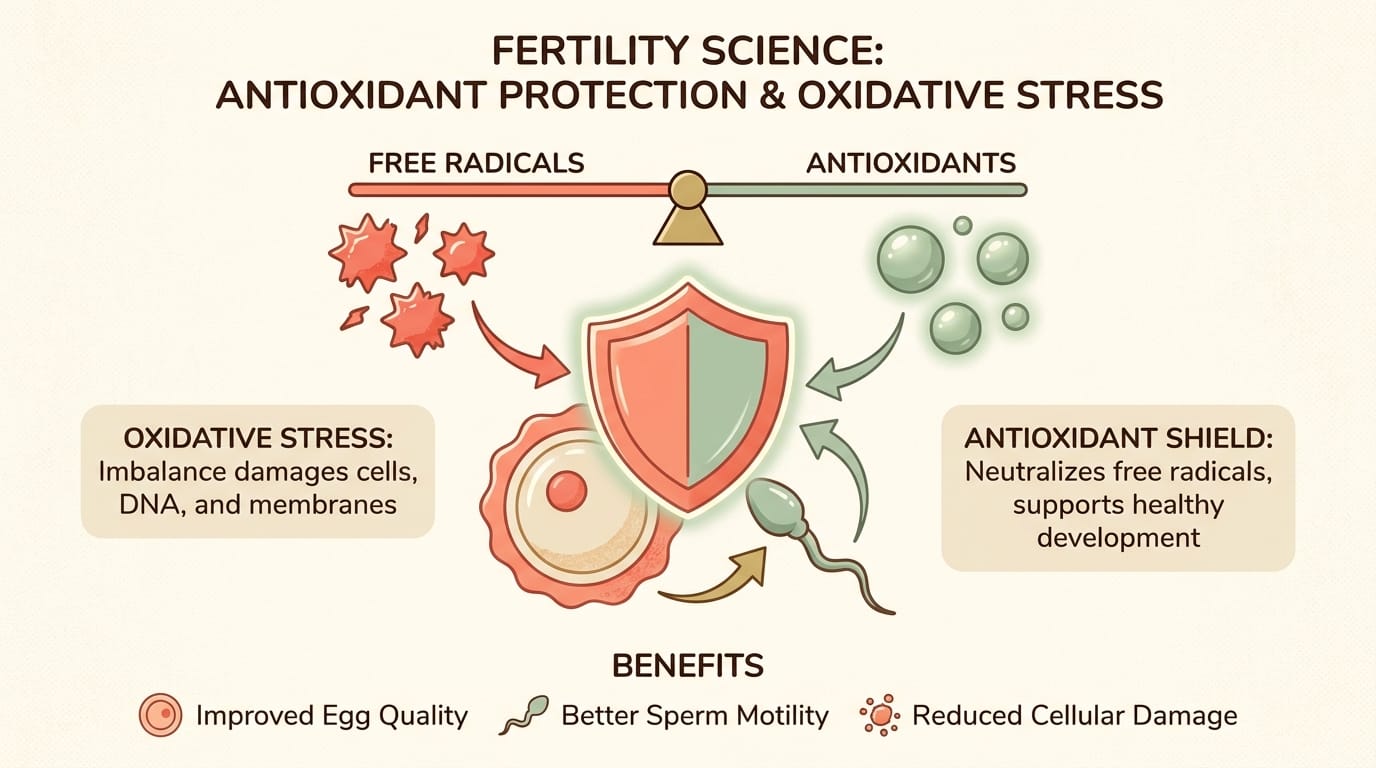
Your body produces free radicals - unstable molecules with unpaired electrons - as normal byproducts of cellular metabolism. Under healthy conditions, your antioxidant defence system neutralises these free radicals before they cause damage. But when free radical production outpaces your body's ability to neutralise them, you get a state called oxidative stress. Think of it like rust forming on metal - a slow, cumulative process of molecular damage.
Why does this matter so much for fertility? Because both eggs and sperm are exquisitely sensitive to oxidative damage. Eggs, or oocytes, have the highest mitochondrial content of any cell in the human body. Mitochondria are the primary site of free radical production, which means eggs are both significant producers and vulnerable targets of oxidative stress. Agarwal et al. (2012) demonstrated that oxidative damage can compromise egg DNA integrity, mitochondrial function, and the surrounding cumulus cells that support egg health.
Sperm are equally vulnerable. Their cell membranes are rich in polyunsaturated fatty acids, which are extremely susceptible to lipid peroxidation by free radicals. This oxidative attack damages sperm motility, DNA integrity, and the ability to successfully fertilise an egg. Tremellen (2008) concluded that oxidative stress is a significant and often overlooked contributor to male infertility.
A comprehensive review by Agarwal et al. (2014) in Reproductive Biology and Endocrinology established that oxidative stress contributes meaningfully to both male and female infertility and that antioxidant therapy shows genuine promise as a treatment strategy. This is not fringe science - it is well-established biology with growing clinical applications.
I find that many of my readers are surprised to learn that their lifestyle factors - poor diet, smoking, environmental toxin exposure, chronic stress - all increase free radical production and therefore oxidative stress. The good news is that the same lifestyle changes that improve overall health also reduce oxidative stress and support fertility.
Key Antioxidants for Female Fertility
Coenzyme Q10 (CoQ10)
This is the antioxidant I recommend most frequently for women concerned about egg quality, and the research supporting it continues to grow. Take 200 to 600 mg daily, with the ubiquinol form being better absorbed than ubiquinone. CoQ10 is essential for mitochondrial energy production in eggs and also acts as a powerful direct antioxidant within the mitochondria.
Bentov et al. (2014) showed that CoQ10 supplementation improved ovarian response in animal models, and preliminary human IVF studies suggest improved egg quality and embryo development, particularly in women over 35 whose mitochondrial function is naturally declining.
Vitamin C (Ascorbic Acid)
This water-soluble antioxidant protects follicular fluid from oxidative damage and supports the overall antioxidant environment around developing eggs. Take 500 to 1,000 mg daily. Chang et al. (2012) found that vitamin C supplementation improved follicular fluid antioxidant capacity in women undergoing IVF. Excellent food sources include citrus fruits, bell peppers, strawberries, and broccoli.
Vitamin E (Tocopherols)
This fat-soluble antioxidant specifically protects cell membranes from lipid peroxidation, which is one of the primary mechanisms of oxidative damage to reproductive cells. Take 200 to 400 IU daily, always with a fat-containing meal for proper absorption. ElSheikh et al. (2019) demonstrated that vitamin E improved endometrial thickness in women with thin uterine lining, which can support implantation.
N-Acetylcysteine (NAC)
NAC is a precursor to glutathione, your body's master antioxidant molecule. It is particularly relevant for women with PCOS, who often have elevated oxidative stress markers. Thakur et al. (2017) found that NAC combined with Clomid improved both ovulation rates and pregnancy rates compared to Clomid alone. Take 600 to 1,200 mg daily.
Key Antioxidants for Male Fertility
Since sperm are produced continuously and are highly susceptible to oxidative damage, antioxidant supplementation may have a more immediate and measurable impact on male fertility parameters.
Selenium
Take 55 to 200 mcg daily. Selenium is a critical component of selenoprotein enzymes that protect sperm from oxidative damage during development. Safarinejad and Safarinejad (2009) found that selenium supplementation improved sperm motility and morphology in subfertile men.
Vitamin C and Vitamin E Combination
These two work synergistically - vitamin C operates in water-based cellular environments while vitamin E protects lipid membranes. Greco et al. (2005) demonstrated that combined vitamin C and vitamin E supplementation improved sperm DNA fragmentation in men with high DNA damage, which is a key predictor of fertility potential.
Lycopene
This potent carotenoid antioxidant concentrates naturally in the testes. A meta-analysis by Chen et al. (2015) found that lycopene supplementation improved sperm concentration, motility, and morphology. Take 6 to 8 mg daily, or increase your intake of cooked tomatoes, watermelon, and pink grapefruit.
CoQ10 for Sperm Health
Take 200 to 300 mg daily. CoQ10 supports the mitochondrial energy production that powers sperm tail motility and protects developing sperm from oxidative damage. Safarinejad et al. (2012) demonstrated that 200 mg daily for 6 months significantly improved all major semen parameters.
Antioxidant-Rich Foods for Fertility
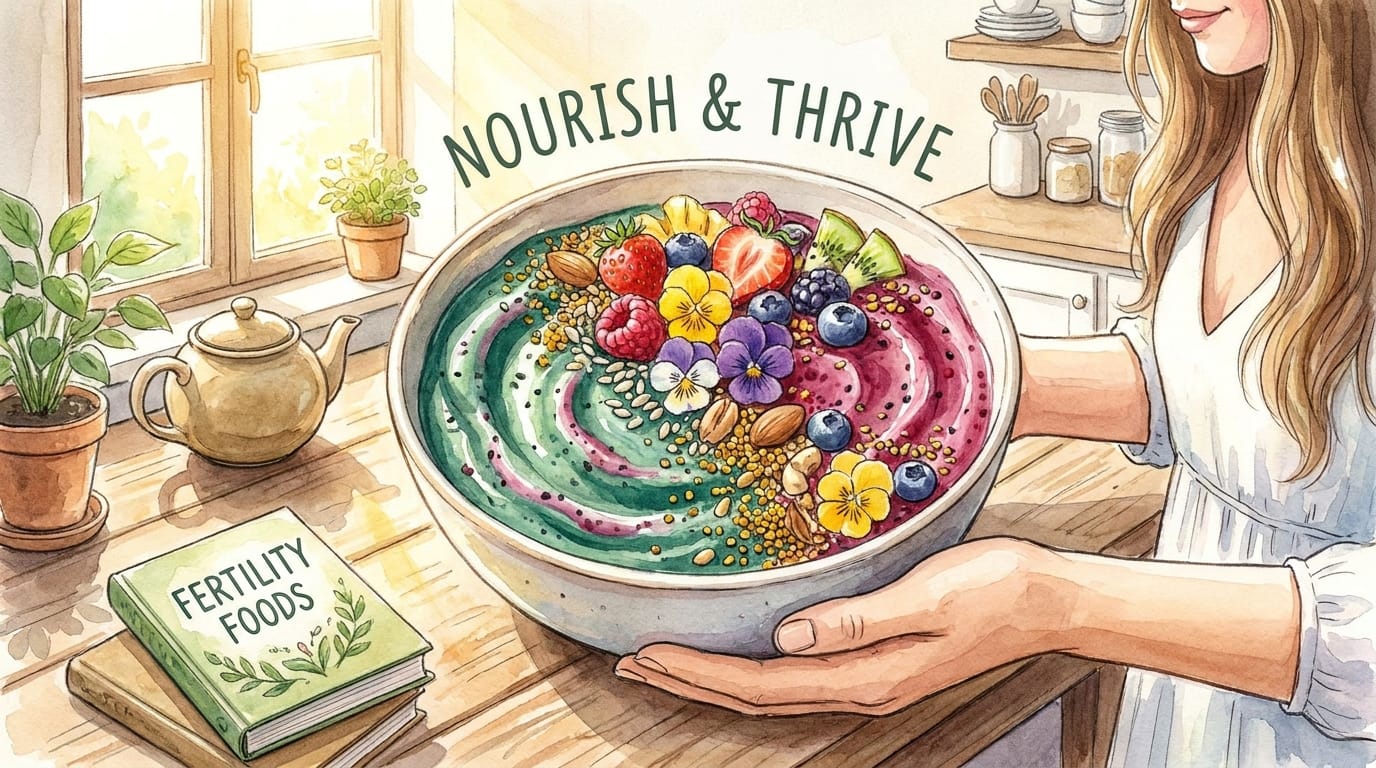
I always emphasise to my readers that supplements support a good diet - they do not replace one. Here is your fertility-friendly antioxidant shopping list that I recommend keeping on your fridge.
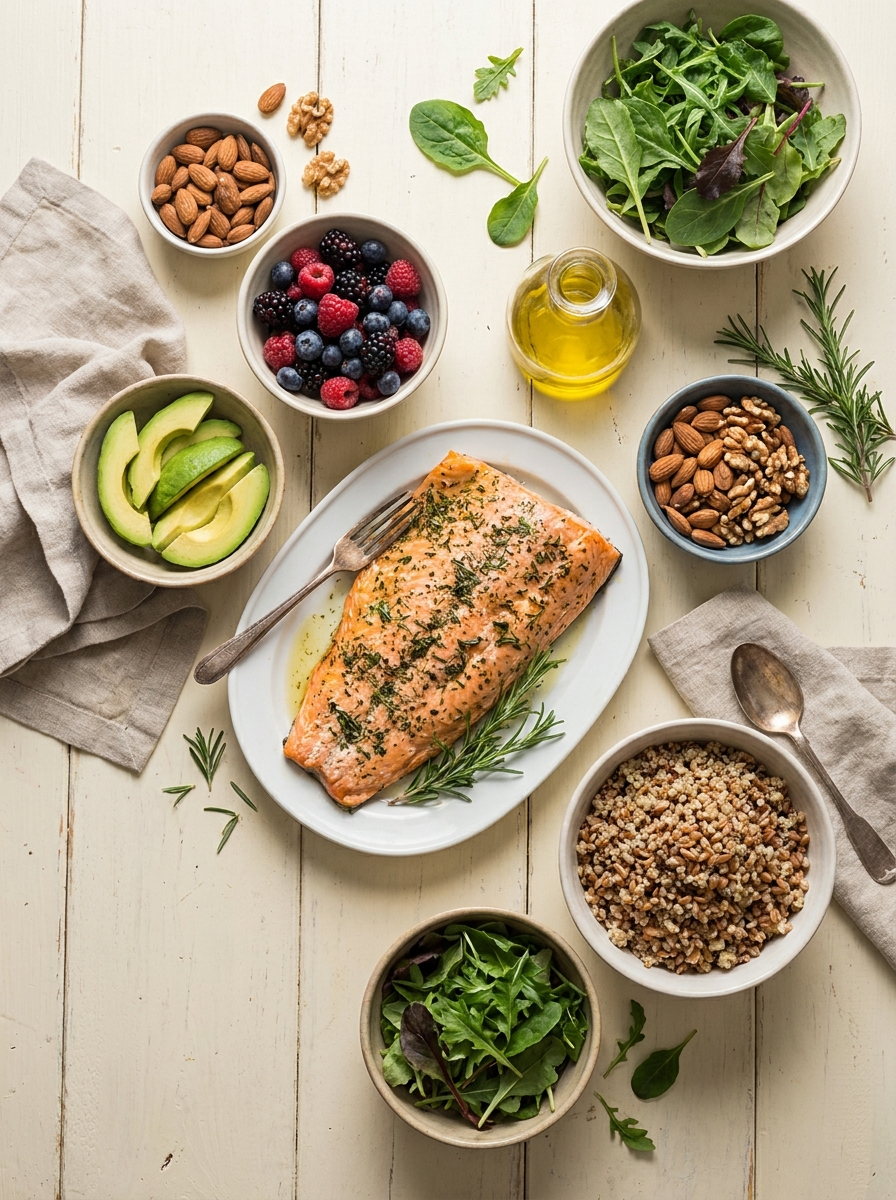
Berries including blueberries, raspberries, and strawberries are packed with anthocyanins and vitamin C. Dark leafy greens like spinach, kale, and Swiss chard provide folate, vitamin C, and carotenoids. Nuts and seeds - particularly Brazil nuts for selenium, walnuts for omega-3 plus antioxidants, and sunflower seeds for vitamin E - are nutrient-dense snack options.
Colourful vegetables including bell peppers, sweet potatoes, carrots, and beetroot offer a wide spectrum of antioxidant compounds. Cooked tomatoes are an excellent source of lycopene, which becomes more bioavailable with heat. Green tea provides epigallocatechin gallate, a potent antioxidant, though limit intake to 1 to 2 cups daily due to caffeine content.
Gaskins et al. (2018) found that women with higher adherence to a Mediterranean-style diet rich in antioxidant-dense foods had better IVF outcomes, reinforcing the message that food-first nutrition is the foundation of fertility health.
Supplement Cautions
Antioxidants are generally safe, but more is definitely not always better. High-dose vitamin A in retinol form is toxic in excess and teratogenic - avoid doses above 10,000 IU daily. Excessive vitamin E above 1,000 IU daily may increase bleeding risk. Selenium toxicity above 400 mcg daily causes symptoms including garlic breath, hair loss, and nail brittleness. Some research suggests that extremely high antioxidant doses may interfere with beneficial oxidative signalling in the body, so moderate evidence-based doses are always the goal.
Dani Recommends
🌟 My Antioxidant Strategy for Fertility
- Foundation: Colourful varied diet with 5 or more servings of fruits and vegetables daily
- For women: CoQ10 plus vitamin C as the highest-impact combination
- For men: CoQ10 plus selenium plus vitamin E as the evidence-based male stack
- Budget approach: Food first - it is cheaper and provides additional nutrients supplements miss
- Start 3 months early: Egg and sperm maturation cycles need time for antioxidants to work
Lifestyle Factors That Increase Oxidative Stress
Beyond supplements, understanding what drives oxidative stress helps you make informed lifestyle choices that support your fertility. Environmental pollution and chemical exposure are significant contributors - vehicle exhaust, industrial chemicals, and household cleaning products all generate free radicals that your body must neutralise. Where possible, choose natural cleaning products, ensure good ventilation in your home, and consider an air purifier if you live in a high-pollution area.
Chronic psychological stress elevates cortisol, which increases free radical production throughout the body. I have seen this in my own life - during high-stress periods, everything from my skin to my energy levels to my cycle regularity suffers. Finding effective stress management practices is not optional for fertility - it is foundational. Whether that means meditation, therapy, regular exercise, time in nature, or simply setting better boundaries, the investment in stress reduction pays dividends across every aspect of health.
Excessive exercise without adequate recovery can also increase oxidative stress. While moderate exercise is protective, overtraining creates a state where free radical production overwhelms antioxidant defences. Athletes who train at very high intensities may benefit from additional antioxidant support, but they should work with a sports medicine professional to find the right balance.
Alcohol and smoking are two of the most potent generators of oxidative stress in daily life. Both directly increase free radical production while simultaneously depleting your body's antioxidant reserves. If you are serious about optimising fertility through antioxidant strategies, addressing these habits first provides the single biggest return on effort.
Can You Test Your Antioxidant Status?
Several laboratory tests can give you a snapshot of your oxidative stress levels and antioxidant capacity. The most common is a blood test for malondialdehyde, a marker of lipid peroxidation that indicates cell membrane damage from free radicals. Total antioxidant capacity tests measure your overall blood antioxidant levels. Glutathione levels can be tested to assess your body's master antioxidant system. And specific nutrient levels like vitamin C, vitamin E, selenium, and zinc can all be measured directly.
I recommend asking your doctor about these tests if you have unexplained infertility, recurrent miscarriage, poor IVF results, or known lifestyle risk factors for oxidative stress. The information helps target supplementation to your actual needs rather than relying on general recommendations.
Frequently Asked Questions
Can antioxidants improve my chances of pregnancy?
Possibly. While no supplement guarantees pregnancy, addressing oxidative stress has been associated with improved sperm parameters and may support egg quality. The strongest evidence is for male factor infertility.
How long should I take antioxidants before trying?
At least 3 months. Sperm take 74 days to mature, and egg maturation takes about 3 months. Starting early gives nutrients time to benefit the gametes involved in conception.
Can I get enough from food alone?
A healthy diet provides substantial antioxidant protection. However, specific therapeutic doses like 200+ mg CoQ10 are difficult to achieve through food alone. Food is the foundation; supplements fill targeted gaps.
Are antioxidants safe during IVF?
Most evidence-based supplements are considered safe during IVF. Always inform your fertility clinic about everything you take, as some may interact with stimulation medications.
Do antioxidants help with PCOS?
Yes, particularly NAC and CoQ10. Women with PCOS often have elevated oxidative stress markers. NAC combined with Clomid has shown improved ovulation rates in clinical studies.
Can I take too many antioxidants?
Yes. Extremely high doses of vitamin A, vitamin E, and selenium can be harmful. The more is better approach does not apply here. Stick to evidence-based doses.
Which antioxidant is most important for fertility?
For women, CoQ10 has the strongest evidence for egg quality support. For men, the combination of selenium and CoQ10 has the most consistent positive results across multiple studies.
Medical Disclaimer
The information in this article is for educational purposes only and should not be considered medical advice. Every fertility journey is unique. Always consult with a qualified healthcare professional before making decisions about your reproductive health.
References
- Agarwal, A., Gupta, S., & Sharma, R. K. (2012). Oxidative stress and its implications in female infertility. J Hum Reprod Sci, 5(3), 247-256.
- Agarwal, A., et al. (2014). Effect of oxidative stress on male reproduction. World J Mens Health, 32(1), 1-17.
- Bentov, Y., et al. (2014). CoQ10 and oocyte aneuploidy. Clin Med Insights: Reprod Health, 8, 31-36.
- Chang, J. C., et al. (2012). Vitamin C and follicular fluid antioxidant capacity. Fertil Steril, 98(3), S260.
- Chen, J., et al. (2015). Lycopene and semen quality meta-analysis. J Evid Based Integr Med, 21(2), 171-178.
- ElSheikh, M. G., et al. (2019). Vitamin E and endometrial thickness. Hum Reprod, 34(Suppl 1), 42.
- Gaskins, A. J., et al. (2018). Dietary patterns and assisted reproduction. Am J Obstet Gynecol, 220(6), 567.e1-567.e18.
- Greco, E., et al. (2005). Antioxidant treatment and sperm DNA fragmentation. J Androl, 26(3), 349-353.
- Safarinejad, M. R., & Safarinejad, S. (2009). Selenium and NAC for semen. J Urol, 181(2), 741-751.
- Safarinejad, M. R., et al. (2012). CoQ10 and semen parameters. J Urol, 188(2), 526-531.
- Thakur, D., et al. (2017). NAC as adjunct to Clomid in PCOS. J Hum Reprod Sci, 10(4), 280-285.
- Tremellen, K. (2008). Oxidative stress and male infertility. Hum Reprod Update, 14(3), 243-258.
Cite This Article
Bowen, D. (2026). Antioxidants and Fertility: Why They Matter for Egg and Sperm Health. Fertilitys. https://fertilitys.com/antioxidants-fertility/
Written by
Subscribe to Fertilitys
All my Free Resources. No spam. Unsubscribe anytime.