7-Day PCOS Diet Plan PDF: A Nutritionist's Free Meal Plan
A registered fertility nutritionist's evidence-based 7-day meal plan for managing PCOS symptoms through diet — with free downloadable PDF.


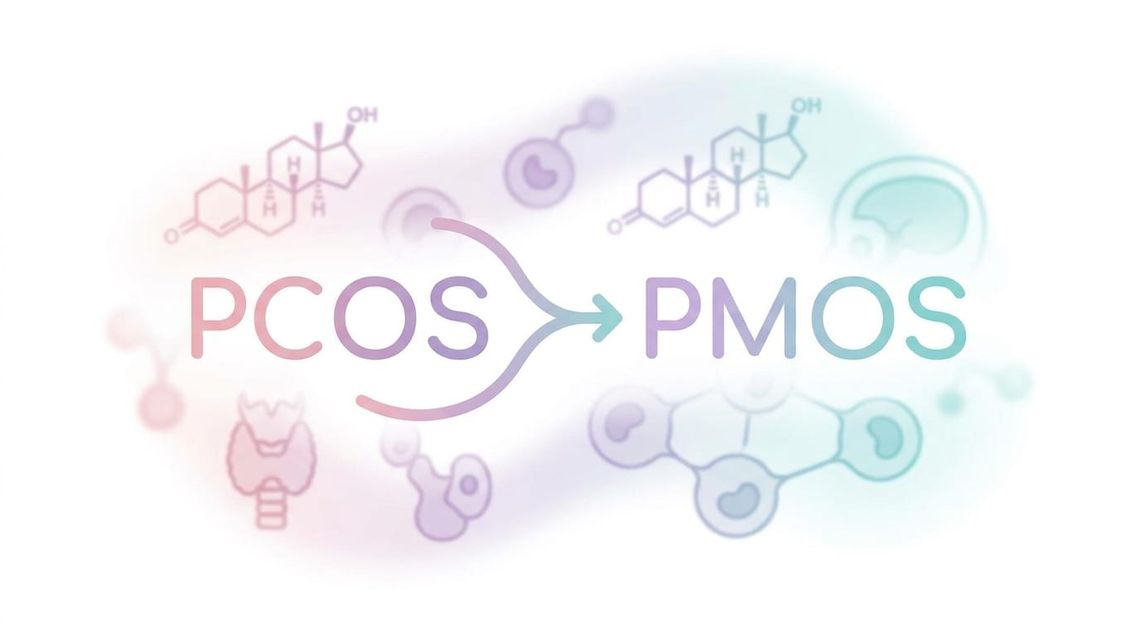
📢 Important Update: PCOS is Now PMOS
In May 2026, Polycystic Ovary Syndrome (PCOS) was officially renamed Polyendocrine Metabolic Ovarian Syndrome (PMOS). The change was published in The Lancet and endorsed by 56 medical organisations worldwide, including the Endocrine Society.
The name PMOS better reflects what the condition actually is: a hormonal and metabolic disorder that affects multiple body systems — not just the ovaries. Research confirmed that there is no increase in abnormal cysts in PMOS, which made the old PCOS name misleading. The new name PMOS puts the focus where it belongs: on the endocrine (hormone) and metabolic changes that drive PMOS symptoms.
If you've been diagnosed with PCOS, your diagnosis is now PMOS. Nothing about your condition or treatment has changed — only the name. Throughout this article, we use both PCOS and PMOS so you can find the information you need, whichever term you search for.
Why Your Diet Matters More Than You Think with PCOS
When I was first studying the research on polycystic ovary syndrome during my master's, the thing that struck me hardest was this: up to 70% of women with PCOS have some degree of insulin resistance — regardless of their weight. That single fact rewrites the conversation about food and PCOS completely.
Insulin resistance isn't just a weight issue. It drives higher androgen levels (the hormones behind acne, hair loss, and irregular cycles), fuels inflammation, and makes it harder for your ovaries to release eggs on schedule. But here's what the clinics often skip over — a 2020 meta-analysis by Shang et al., published in the Journal of Clinical Endocrinology & Metabolism, analysed 19 trials involving 1,193 women with PCOS and found that dietary intervention significantly improved insulin resistance, fasting insulin, BMI, and waist circumference. The food on your plate isn't a nice-to-have. It's a frontline treatment.
I built this 7-day PCOS diet plan around three principles that come up again and again in the research: keep blood sugar steady, reduce inflammation, and support hormone balance. If you're looking for a pcos diet plan for beginners, this is where I'd start every single client.

The Science Behind This PCOS Meal Plan
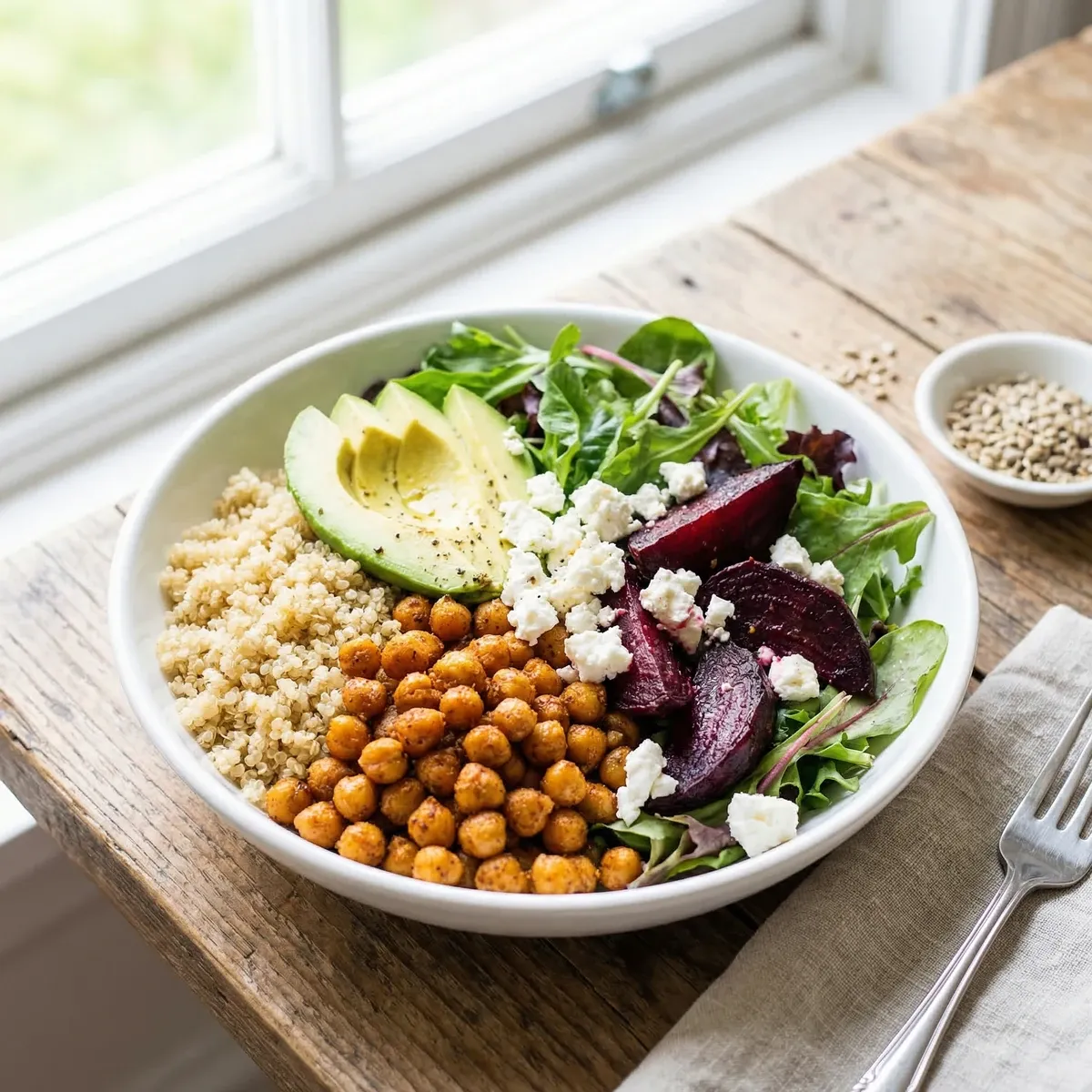
There's no single "PCOS diet" that works for everyone — but there is strong evidence pointing toward a Mediterranean-style, low-glycaemic eating pattern as the most effective approach. A 2024 review by Scannell et al. in Proceedings of the Nutrition Society found the Mediterranean diet could attenuate both short and long-term PCOS symptoms by targeting the underlying metabolic and inflammatory pathways.
What does that actually look like on a plate? Three things:
- Low-glycaemic carbohydrates — wholegrain bread, oats, sweet potato, quinoa, brown rice instead of white bread, white rice, and sugary cereals. Marsh et al. (2010) showed that women with PCOS who ate low-GI foods for 12 months had significantly better menstrual cyclicity (95%) compared with those on a conventional healthy diet (63%).
- Anti-inflammatory fats — olive oil, oily fish, walnuts, avocado. Omega-3 fatty acids have been shown to improve insulin sensitivity, lower triglycerides, and reduce inflammatory markers in women with PCOS (Yang et al., 2018).
- Protein at every meal — eggs, fish, chicken, lentils, Greek yoghurt, tofu. Pairing protein with carbohydrates slows the glucose spike and keeps you fuller for longer, which is especially important when your insulin is already working overtime.
This isn't about restriction. It's about building meals that work with your hormones instead of against them.
Your Free 7-Day PCOS Diet Plan
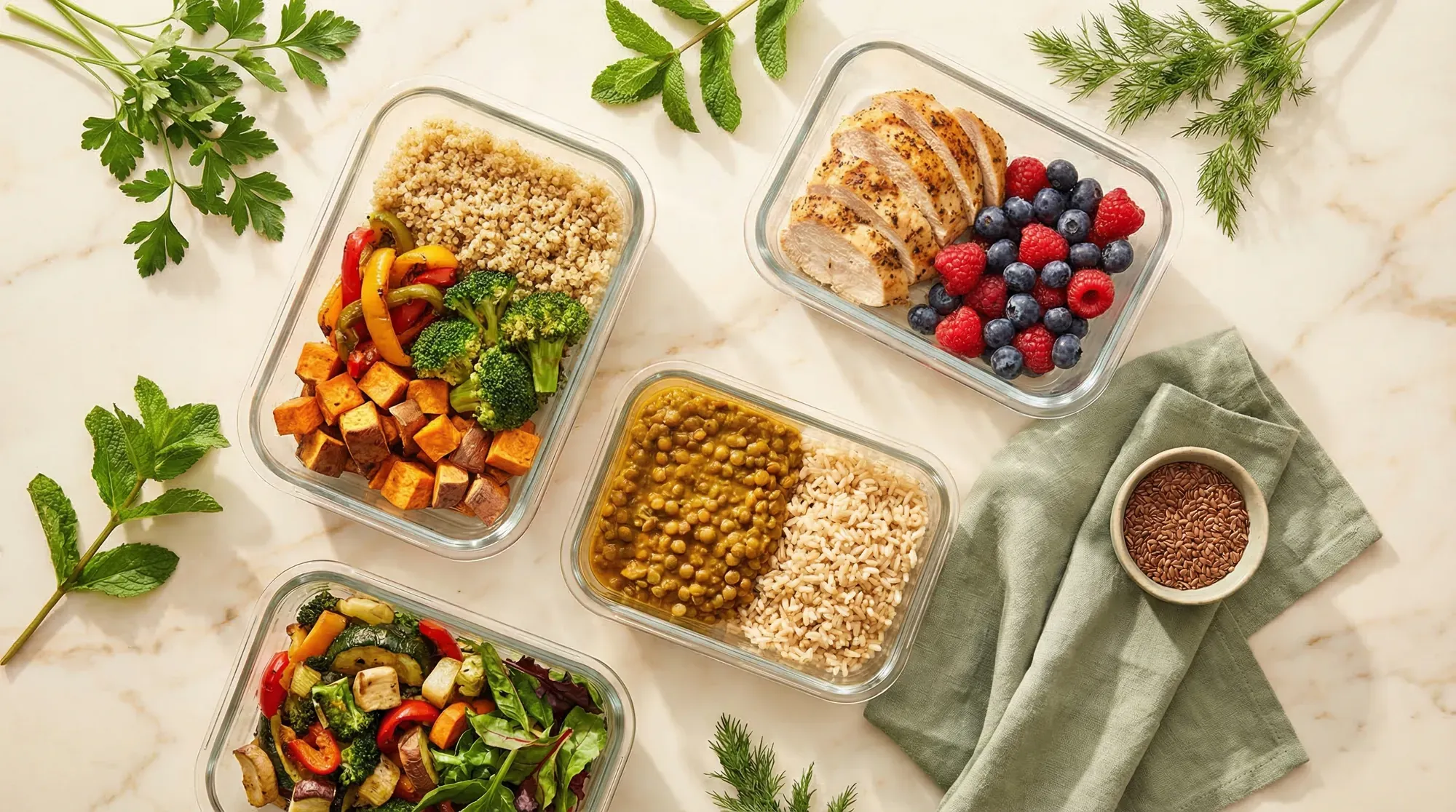
Here's the 7 day pcos diet plan I use as a starting framework for my clients. Every meal combines protein, healthy fat, and low-GI carbohydrates. Portions are a guide — adjust based on your hunger, activity level, and what feels right for your body. You can download the full pcos meal plan pdf at the bottom of this article.
| Day | Breakfast | Lunch | Dinner | Snack |
|---|---|---|---|---|
| Monday | Overnight oats with chia seeds, berries, and a spoon of almond butter | Mediterranean grain bowl — quinoa, roasted vegetables, chickpeas, feta, olive oil dressing | Baked salmon with sweet potato and steamed broccoli | Apple slices with tahini |
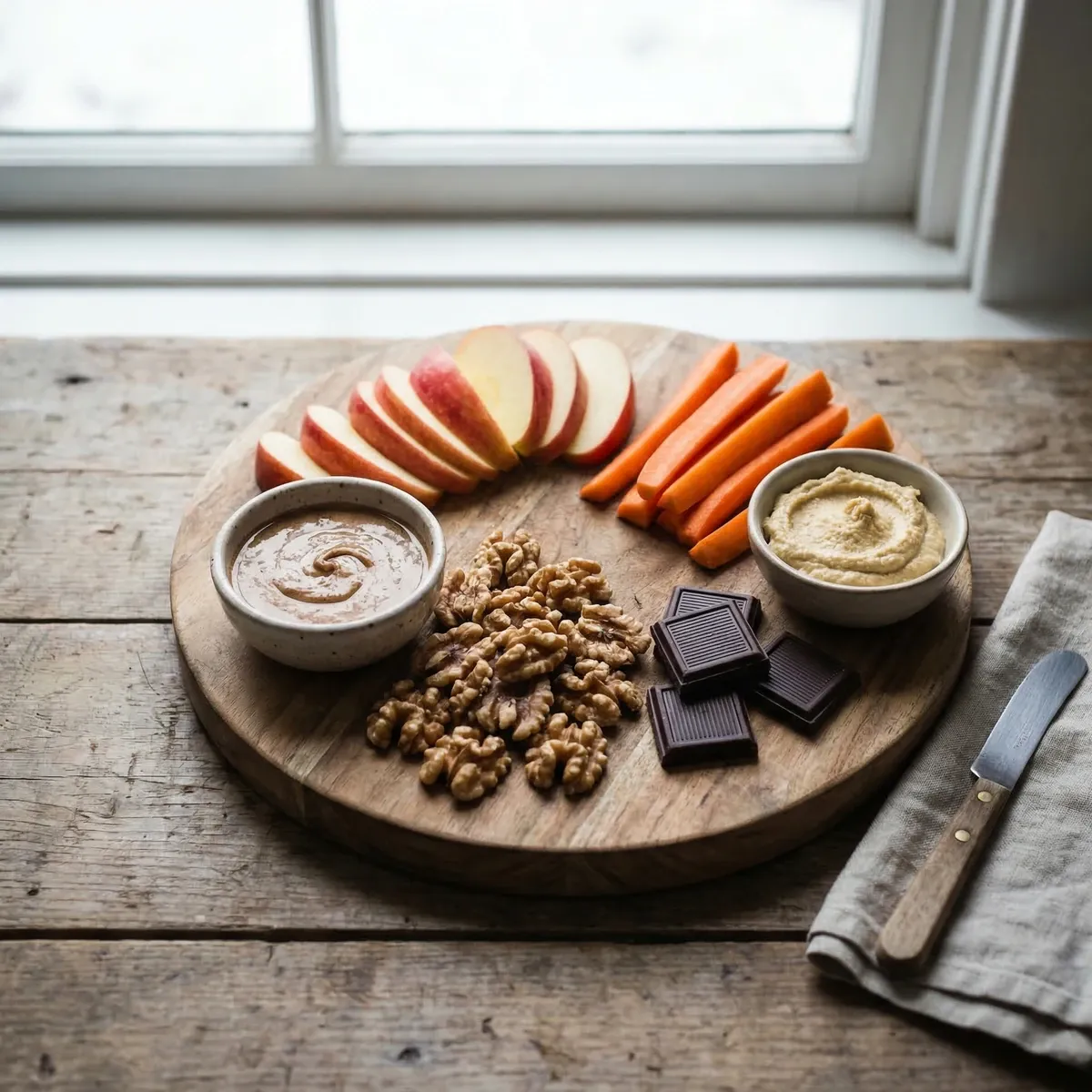
| Tuesday | Scrambled eggs with sautéed spinach and half an avocado on sourdough | Lentil and vegetable soup with a side of wholegrain bread | Chicken stir-fry with brown rice, pak choi, and sesame seeds | Small handful of walnuts and a few squares of dark chocolate (70%+) |
| Wednesday | Greek yoghurt with ground flaxseed, pumpkin seeds, and a drizzle of honey | Grilled halloumi salad with mixed leaves, cucumber, tomatoes, and olive oil | Turkey mince bolognese with courgetti (or wholegrain pasta) | Hummus with carrot and celery sticks |
| Thursday | Smoothie — banana, spinach, protein powder, almond milk, tablespoon of nut butter | Tuna and white bean salad with cherry tomatoes and a lemon-olive oil dressing | Aubergine and chickpea curry with brown rice | Boiled egg with a small handful of cherry tomatoes |
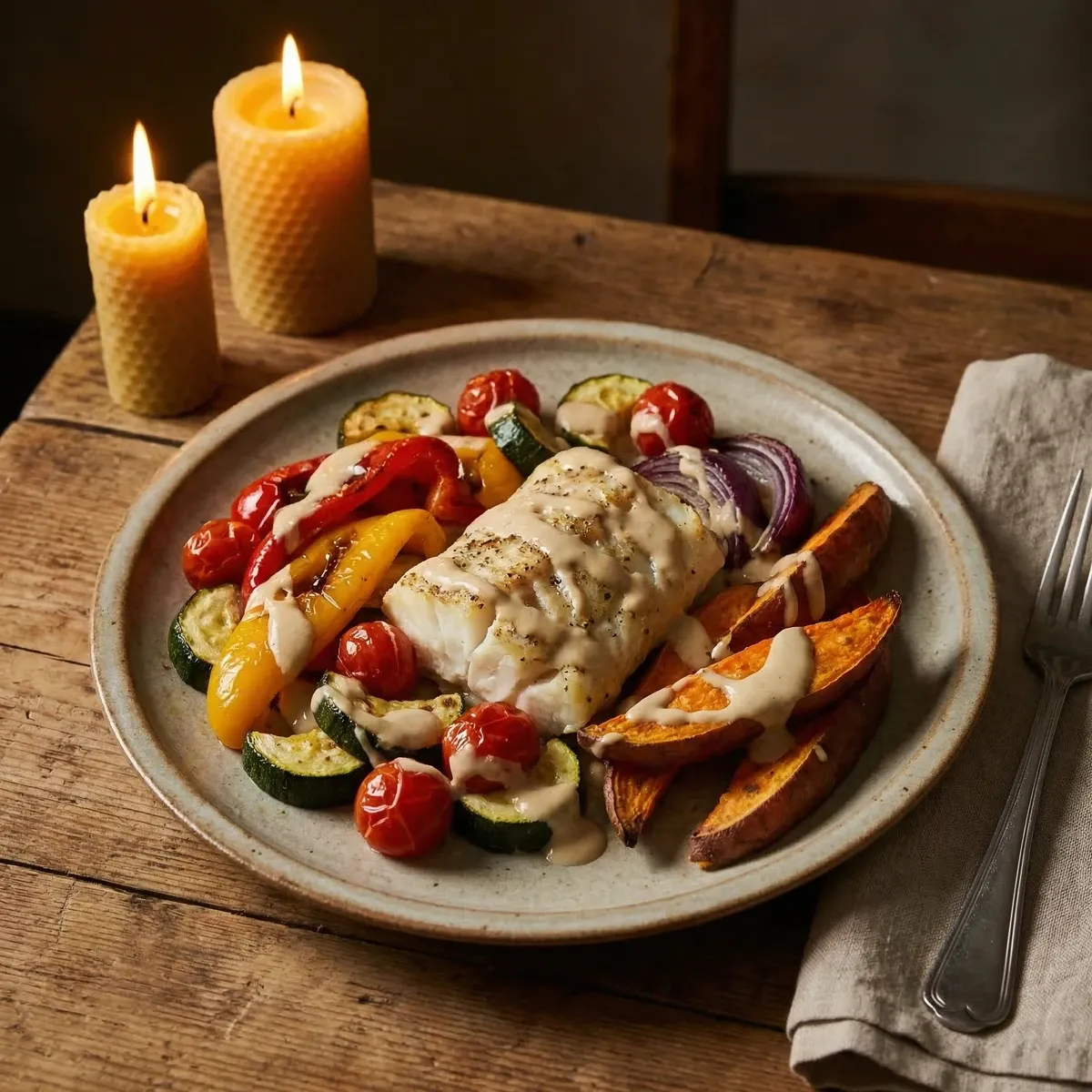
| Friday | Porridge made with oat milk, topped with walnuts, cinnamon, and sliced banana | Leftover curry in a wholegrain wrap with Greek yoghurt | Baked cod with roasted Mediterranean vegetables and new potatoes | Rice cakes with almond butter and a few berries |
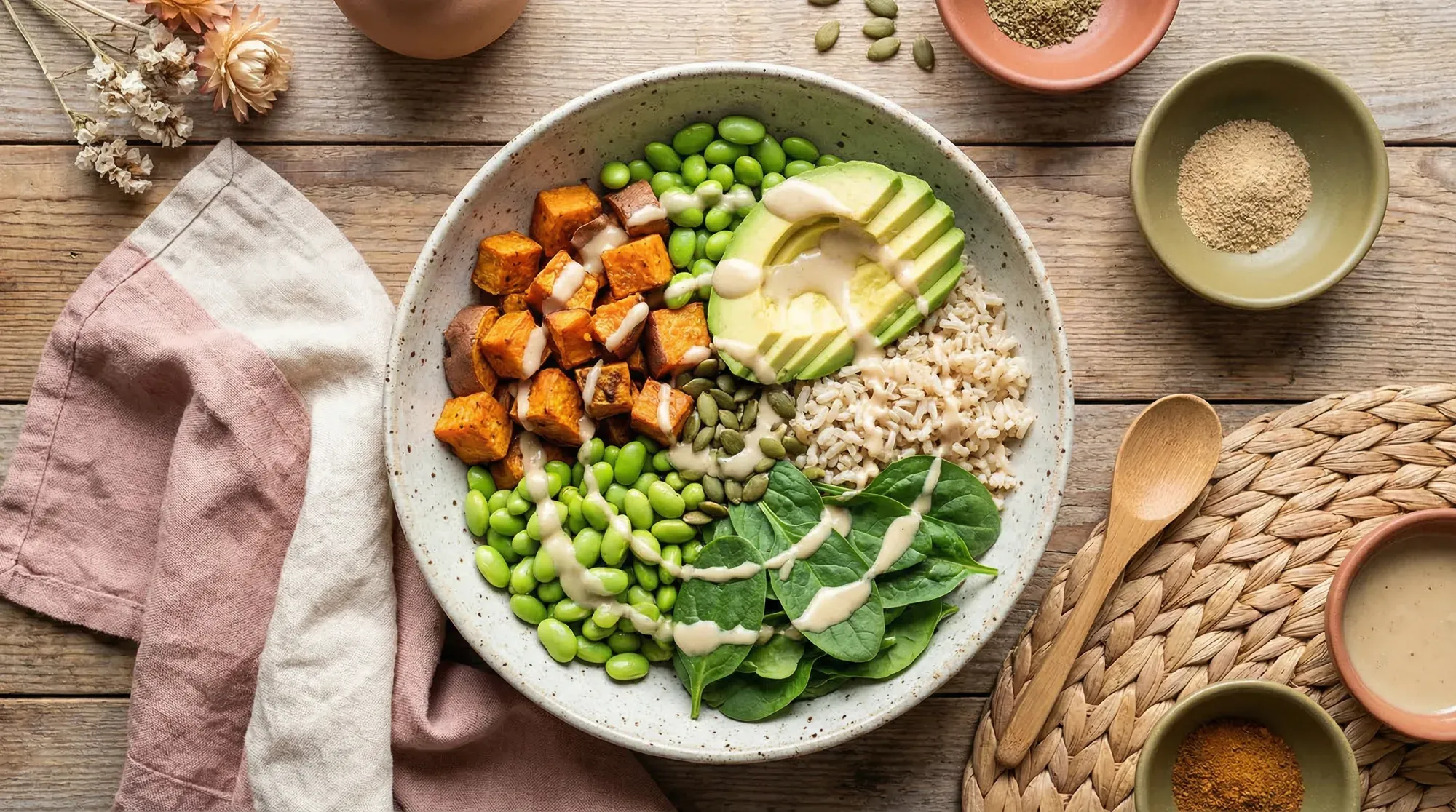
| Saturday | Poached eggs on rye toast with smoked salmon and a squeeze of lemon | Buddha bowl — sweet potato, edamame, avocado, brown rice, miso dressing | Homemade turkey burgers (no bun) with a large mixed salad and sweet potato wedges | Greek yoghurt with a sprinkle of cinnamon |
| Sunday | Vegetable frittata with peppers, courgette, and goat's cheese | Chicken and avocado salad wrap (wholegrain) with mixed seeds | One-tray roast — salmon, broccoli, cherry tomatoes, and olives with lemon and herbs | Handful of almonds and an orange |
You'll notice there's no calorie counting here. That's deliberate. The international PCOS guidelines (Teede et al., 2023) recommend focusing on food quality rather than strict caloric restriction — especially since restrictive dieting can worsen cortisol levels and disrupt your cycle further.
A Note on Portions
I use a simple plate method with my clients: one quarter protein, one quarter complex carbohydrates, half vegetables, plus a thumb-sized portion of healthy fat. It's flexible, doesn't require weighing anything, and teaches you to build balanced meals instinctively.
Adapting This Plan If You're Vegetarian
If you're looking for a 7-day pcos diet plan pdf vegetarian version, the framework stays exactly the same — swap the protein sources. Here's what I recommend:
- Instead of fish: tofu, tempeh, or a generous portion of lentils/beans
- Instead of chicken/turkey: chickpeas, black beans, edamame, or paneer
- Instead of eggs (if vegan): chia pudding with hemp seeds, or silken tofu scramble with nutritional yeast
- Key addition: make sure you're getting omega-3s from ground flaxseed (1-2 tablespoons daily), chia seeds, and walnuts — these provide ALA, though the conversion to EPA/DHA is limited, so a vegan omega-3 supplement (algae-based) is worth considering
Plant protein digests differently, so you may need slightly larger portions to match the satiety of animal protein. But some of my PCOS clients do brilliantly on vegetarian eating — the key is getting enough protein (around 25-30g per meal) and not defaulting to refined carbohydrate-heavy meat substitutes.
Foods to Eat and Foods to Avoid with PCOS
Rather than a rigid "eat this, never eat that" list — which honestly just creates anxiety — I think about it as a spectrum. The foods that help your PCOS work by managing blood sugar, reducing inflammation, and supporting your gut. The foods that don't tend to spike blood sugar fast, increase inflammation, or mess with your hormones.
Foods That Support PCOS Management
- Oily fish — salmon, mackerel, sardines (2-3 portions per week for omega-3s)
- Colourful vegetables — leafy greens, broccoli, peppers, aubergine, tomatoes
- Berries — blueberries, raspberries, strawberries (lower GI than tropical fruit)
- Wholegrains — oats, quinoa, brown rice, buckwheat, rye bread
- Legumes — lentils, chickpeas, black beans (protein + fibre combo)
- Nuts and seeds — walnuts, almonds, flaxseed, pumpkin seeds
- Healthy fats — extra virgin olive oil, avocado, tahini
- Herbs and spices — cinnamon (may improve insulin sensitivity), turmeric (anti-inflammatory), ginger
Foods Worth Reducing
- Sugary drinks and fruit juices — one of the fastest blood sugar spikes you can have
- White bread, white pasta, white rice — switch to wholegrain versions
- Processed snacks — crisps, biscuits, cereal bars (often packed with hidden sugars)
- Excess dairy — some women with PCOS find that reducing dairy improves acne and inflammation (trial it for 4-6 weeks and see)
- Alcohol — raises blood sugar, disrupts sleep, increases inflammation. When I was working on my own fertility protocol, cutting alcohol was one of the first things I did.
- Artificial sweeteners — emerging evidence suggests they may still trigger an insulin response in some people
And I'll say this because it needs saying: one meal doesn't undo your progress. If you have pizza on Friday night, that doesn't "ruin" your PCOS diet. What matters is the pattern over weeks and months — not individual meals.
Can This Meal Plan Help with PCOS Weight Loss?
If weight management is part of your PCOS picture — and it is for many women — this eating pattern can absolutely help, but probably not in the way you'd expect. I don't design this as a weight loss pcos diet plan pdf with calorie targets or "before and after" promises. Here's why.
The 2023 international evidence-based guidelines for PCOS (Teede et al.) specifically recommend against aggressive caloric restriction. They found that modest weight loss of just 5-10% of body weight was enough to improve ovulation, menstrual regularity, and metabolic markers. And critically, the composition of the diet mattered more than the calorie count.
What I've seen with my clients is that when you stop fighting your blood sugar — when you give your body steady energy from low-GI foods, adequate protein, and anti-inflammatory fats — weight often starts to shift on its own. Not dramatically. Not overnight. But sustainably. And without the cortisol spike that comes from feeling constantly hungry, which is the last thing your PCOS hormones need.
If you've been diagnosed with PCOS and you're struggling with weight that won't budge despite eating less and exercising more, that's the insulin resistance talking. This plan addresses the root cause, not the symptom.
Supplements That Support a PCOS Diet
Food comes first — always. But there are a few supplements with good evidence behind them for PCOS specifically:
- Myo-inositol — 4g/day. A 2024 meta-analysis by Fitz et al. in JCEM confirmed it improves insulin sensitivity, ovulation rates, and testosterone levels in women with PCOS. I recommend this to nearly all my PCOS clients.
- Omega-3 — 1-2g EPA+DHA daily. Reduces triglycerides and inflammation. If you eat oily fish 2-3 times per week, you may get enough from food alone.
- Vitamin D — 10mcg (400 IU) daily minimum, more if you're deficient (get tested). Vitamin D deficiency is common in women with PCOS and is linked to worse insulin resistance.
- Chromium — 200-1000mcg/day. Some evidence it enhances insulin sensitivity, though results are mixed.
Always check with your GP or a registered nutritionist before starting supplements, especially if you're on medication like metformin.
The Inositol Protocol - Dosage, Ratio, and How Long It Actually Takes
I recommend myo-inositol to nearly all my PCOS clients, and I mention it in the supplements section above. But the details matter more than most people realise, so let me be specific.
The evidence-backed protocol is 4g of myo-inositol daily, combined with d-chiro-inositol in a 40:1 ratio (roughly 4,000mg myo to 100mg d-chiro). Split the dose: 2g with breakfast, 2g with dinner. A 2024 meta-analysis by Fitz et al. confirmed improvements in insulin sensitivity, ovulation rates, and testosterone levels at this dosage.
Here is the part that trips most women up: the timeline. Effects on cycle regularity and ovulation typically appear at 3 to 6 months of consistent daily use. Not weeks. If you stop after one month because nothing has changed, you have not given it a fair trial. I tell my clients to commit to a full 3-month minimum before assessing whether it is working. Track your cycles during this time so you have real data, not just a feeling.
One more thing - the form matters. Look for a supplement that specifically states the 40:1 myo to d-chiro ratio. Taking d-chiro-inositol alone at high doses can actually worsen egg quality. More is not better here.
Not All PCOS Responds the Same Way - Understanding Your Type
PCOS is not one condition with one cause. This is something I wish more GPs explained clearly, because it changes everything about how you approach treatment.
Emerging clinical understanding recognises different drivers:
- Insulin-resistant PCOS - the most common type, and the one this meal plan targets most directly. High fasting insulin, often (but not always) accompanied by weight gain.
- Adrenal PCOS - driven by stress and elevated DHEA-S rather than insulin. These women often have normal insulin but high adrenal androgens. The cortisol and stress management section below is especially relevant here.
- Inflammatory PCOS - driven by chronic inflammation, often with gut issues, fatigue, and skin problems. Anti-inflammatory foods (the omega-3s, turmeric, and colourful vegetables in this meal plan) are particularly important.
- Post-pill PCOS - a temporary androgen rebound after stopping hormonal contraception. This often resolves within 6 to 12 months but can be supported with the dietary and supplement approach above.
A diet and supplement plan that transforms one woman's cycle may do nothing for another if the underlying driver is different. If you have been following the insulin-resistance approach in this article for several months without improvement, ask your practitioner about testing DHEA-S, inflammatory markers (CRP), and thyroid function to determine what is actually driving your PCOS.
When Diet and Supplements Are Not Enough - The Case for Medication
The meal plan and supplement recommendations above are the foundation. But PCOS is a medical condition, and some women need more than lifestyle changes alone. That is not a failure of your effort - it is the appropriate next step.
If 3 to 6 months of consistent dietary changes plus inositol have not restored ovulation, the medication options include:
- Metformin - directly targets insulin resistance. Safe during TTC and pregnancy. Extended-release is better tolerated (fewer gut side effects). Many women combine metformin with the dietary approach in this article for the best results.
- Letrozole - now the first-line ovulation induction medication for PCOS, ahead of clomiphene citrate. Better outcomes for ovulation and live birth rates in women with PCOS specifically.
- Combination approach - some reproductive endocrinologists prescribe metformin alongside letrozole for women with significant insulin resistance.
GLP-1 medications like semaglutide are showing early promise for PCOS-related insulin resistance in research settings, though they are not yet recommended during TTC. This is an area to watch.
If your GP's toolkit for PCOS is limited to birth control and "lose weight," it may be worth asking for a referral to a reproductive endocrinologist who specialises in PCOS and fertility treatments.
Why "Just Lose Weight" Is Bad Medical Advice for PCOS
This needs saying directly, because too many women hear it and internalise it as their fault.
Lean women get PCOS too. Up to 20 to 30% of women with PCOS have a normal BMI but still have significant insulin resistance and anovulation. Telling these women to lose weight misses the point entirely.
And for women who are overweight with PCOS, the insulin resistance itself makes weight loss harder - creating a frustrating cycle where the condition causes the very thing doctors are telling you to fix. The meal plan in this article addresses the root cause (insulin resistance) rather than the symptom (weight). That distinction matters.
If a healthcare professional's only advice for your PCOS is to lose weight, that is an incomplete answer. Ask about insulin testing, the dietary approach outlined above, inositol, and whether medication like metformin might be appropriate.
Stress, Cortisol, and the PCOS Cycle Most Doctors Do Not Explain
Chronic stress raises cortisol, which increases blood sugar, worsens insulin resistance, and can suppress ovulation. For women with PCOS, this creates a vicious loop: stress worsens PCOS symptoms, which causes more stress, which worsens symptoms further.
I mentioned in the weight loss section above that restrictive dieting raises cortisol. But it goes beyond food. Poor sleep, overexercising (especially intense cardio), work stress, and the emotional toll of fertility struggles all contribute. Many women report conceiving after they reduced their stress load - and while that sounds like unhelpful advice, there is real endocrinology behind it. Lower cortisol means better insulin sensitivity, which means better conditions for ovulation.
The dietary changes in this article address the blood sugar side of the equation. For the cortisol side, consider:
- Sleep - 7 to 9 hours consistently. This is non-negotiable for hormone regulation.
- Gentle movement over intense exercise - walking, yoga, swimming, Pilates. Heavy HIIT can spike cortisol.
- Magnesium supplementation - 200 to 400mg glycinate at bedtime. Supports sleep quality and has a mild calming effect.
- Boundaries - saying no to things that drain you is a legitimate health intervention when you have PCOS.
PCOS Supplements: What the Evidence Actually Supports
I get asked about PCOS supplements constantly. Here is an honest overview of what the research says, what I see working with my clients, and what you can skip.
| Supplement | Evidence Level | What It Does | Practical Notes |
|---|---|---|---|
| Myo-Inositol + D-Chiro (40:1) | Strong (2024 meta-analysis) | Improves insulin sensitivity, ovulation rates, testosterone | 4g/day split AM/PM. 3-6 months minimum. |
| Vitamin D | Strong | Improves insulin resistance, supports egg quality | Get tested first. Most PCOS women are deficient. 10mcg minimum, more if low. |
| Omega-3 (EPA/DHA) | Moderate-Strong | Reduces inflammation, lowers triglycerides | 1-2g daily or 2-3 portions oily fish per week. |
| Chromium | Moderate (mixed) | May enhance insulin sensitivity | 200-1000mcg/day. Results vary between individuals. |
| Metformin (Rx) | Strong | Directly targets insulin resistance | Prescription only. Extended-release better tolerated. |
| Berberine | Moderate | Blood sugar and insulin sensitivity | Not a direct swap for metformin if IR is severe. Discuss with practitioner. |
| NAC (N-Acetyl Cysteine) | Moderate | Anti-inflammatory, may support ovulation | 600-1800mg/day. Some women notice significant benefit, others minimal. |
| Magnesium | Moderate | Sleep quality, stress, general hormone support | 200-400mg glycinate at bedtime. Broadly useful. |
| Spearmint Tea | Limited | Anti-androgen effects (acne, excess hair) | Symptom management only. Not a fertility treatment. |
Most women with PCOS benefit from 3 to 4 well-chosen supplements based on bloodwork - not 12. Get tested before you start stacking. Your fertility testing results should guide which supplements are actually worth taking.
What Your Doctor Might Not Mention About PCOS
- Not all PCOS is insulin-resistant. If you have been following this meal plan consistently and your symptoms have not improved after several months, your PCOS might be driven by something other than insulin resistance. Ask about DHEA-S, CRP, and thyroid panels.
- Inositol is not instant. The 3 to 6 month timeline is real. Switching supplements every few weeks because "it is not working yet" means nothing gets a fair trial. Commit to the full timeline before deciding.
- The supplement industry profits from confusion. Most women with PCOS benefit from 3 to 4 well-chosen supplements based on bloodwork - not a shelf full of bottles. Get tested before you stack.
- Weight loss is sometimes a side effect, not the goal. When you stabilise blood sugar through the eating pattern above, weight often shifts on its own. Calorie restriction worsens cortisol and PCOS symptoms. This meal plan is designed around food quality, not restriction.
- A GP is not always enough. If your doctor's toolkit for PCOS is limited to birth control and "lose weight," a reproductive endocrinologist will have more options - metformin, letrozole, monitored cycles. You deserve a specialist who takes PCOS seriously.
Making It Stick: Practical Tips for Beginners
If you're staring at this pcos diet plan for beginners and feeling overwhelmed — I get it. When I was overhauling my own diet during my fertility journey, I didn't do it all at once. I started with breakfast. Just breakfast, for two weeks. Then I tackled lunch. The all-or-nothing approach doesn't work for most people, and it definitely didn't work for me.
A few things that make the difference:
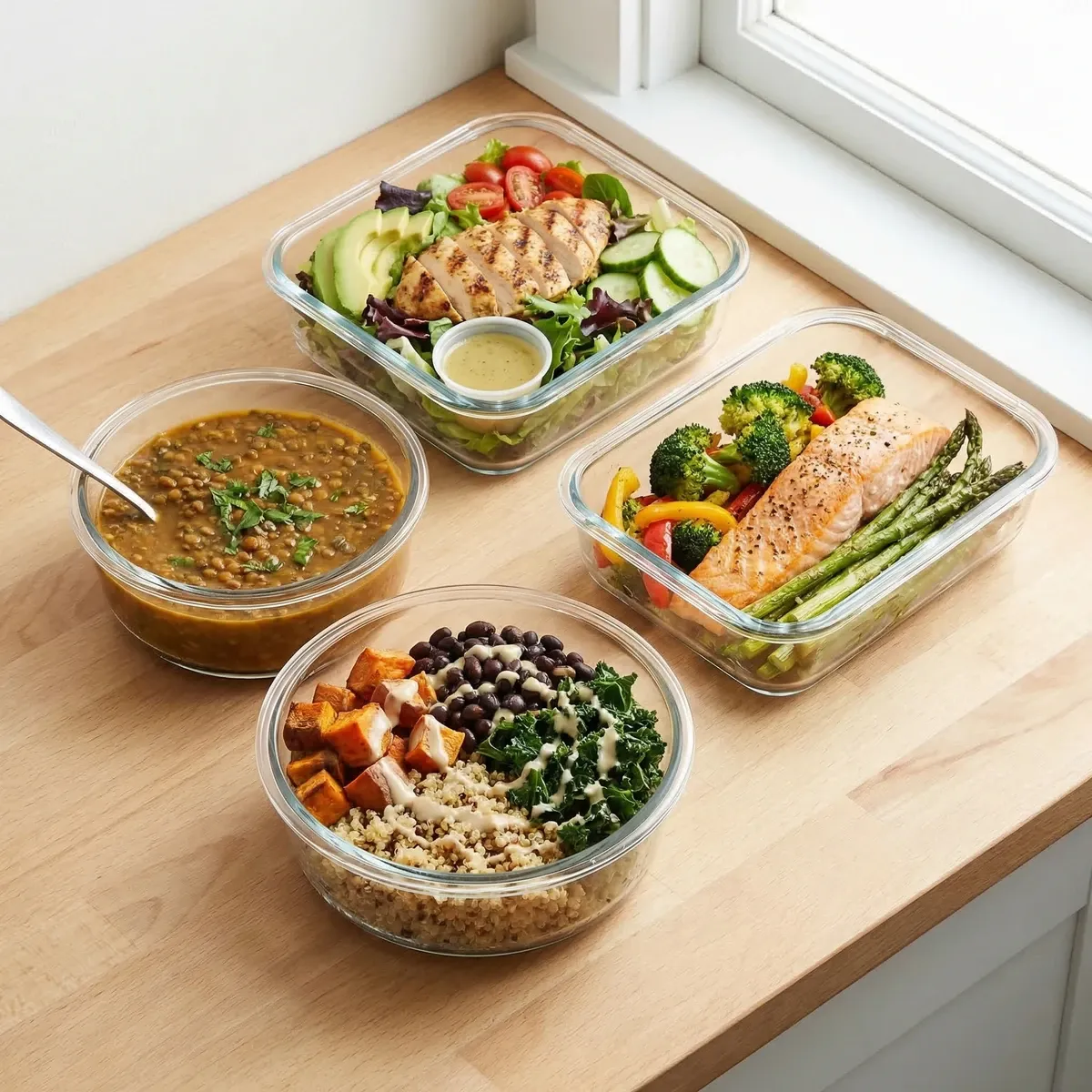
- Batch cook on Sundays. Make a big pot of something — soup, curry, grain bowl base — that gives you 3-4 lunches. Meal prep removes the "what do I eat?" panic that leads to grabbing something fast and processed.
- Keep your freezer stocked. Frozen berries, frozen vegetables, pre-portioned salmon fillets. They're just as nutritious as fresh and take the pressure off shopping every few days.
- Don't skip meals. Especially breakfast. Skipping meals causes blood sugar to crash, which triggers a bigger insulin spike when you do eat. With PCOS, stable is the goal.
- Pair carbohydrates with protein or fat. Toast on its own? Blood sugar spike. Toast with eggs and avocado? Gentle, steady rise. This one rule makes a bigger difference than any supplement.
- Cinnamon is your friend. A sprinkle in your porridge, in your coffee, in your smoothie. Research suggests Ceylon cinnamon may improve insulin sensitivity — and it tastes good, which helps.

The Bottom Line
PCOS is a lifelong condition, but how you eat can genuinely transform how it affects you. This 7-day pcos diet plan pdf isn't a quick fix or a fad — it's a framework built on the same Mediterranean, low-GI principles that the research keeps validating and that I use with my own clients every day.
You don't need to be perfect. You don't need to overhaul everything this week. Start with the meal that feels easiest to change, build from there, and trust that small, consistent shifts add up. That's how it worked for me, and it's how it works for the women I support.
Download the free pcos diet plan pdf below, stick it on your fridge, and give yourself a week. You'll notice the difference faster than you'd think.
FAQ
▸What is the best diet for managing PCOS?
The most evidence-backed approach is a Mediterranean-style, low-glycaemic diet rich in vegetables, lean protein, healthy fats (especially omega-3s), and wholegrain carbohydrates. A 2024 review in Proceedings of the Nutrition Society found this pattern can improve insulin resistance, inflammation, and hormonal balance in women with PCOS. It's not about a specific diet brand — it's about eating whole foods that keep blood sugar stable.
▸Can I follow this PCOS meal plan if I'm vegetarian or vegan?
Absolutely. Swap animal proteins for tofu, tempeh, lentils, chickpeas, and beans. Add a vegan omega-3 supplement (algae-based) since plant sources provide ALA but limited EPA and DHA. Aim for 25-30g of protein per meal, and include ground flaxseed and chia seeds daily for extra fibre and omega-3s.
▸How quickly will I see results from changing my diet with PCOS?
Most of my clients notice improved energy and fewer blood sugar crashes within the first 1-2 weeks. Menstrual regularity and hormonal improvements typically take 2-3 months of consistent eating. Weight changes, if that's part of your picture, usually become noticeable around 4-8 weeks. Give the plan at least 3 months before judging whether it's working for your symptoms.
▸Do I need to count calories on a PCOS diet?
The 2023 international PCOS guidelines (Teede et al.) recommend focusing on food quality over calorie counting. Restrictive dieting can increase cortisol, which worsens PCOS symptoms. Use the plate method instead: one quarter protein, one quarter complex carbs, half vegetables, plus a thumb of healthy fat. This naturally manages portions without the stress of tracking numbers.
▸Is a keto diet good for PCOS?
Some short-term studies show ketogenic diets can improve insulin resistance in women with PCOS, but there's limited evidence on long-term safety or sustainability. Very low-carb diets can also disrupt thyroid function and stress your adrenals — both of which matter if you have PCOS. I generally recommend a moderate low-GI approach rather than strict keto, especially if you're trying to conceive.
▸What is the best diet for PCOS?
The Mediterranean diet and anti-inflammatory diets have the strongest evidence for PCOS. Focus on: complex carbs, lean proteins, healthy fats, plenty of vegetables, and anti-inflammatory foods. Reducing refined sugar and processed foods is consistently shown to improve PCOS symptoms.
▸How many calories should I eat with PCOS?
Calorie needs are individual — there's no universal PCOS calorie target. A modest calorie reduction (250-500 calories below maintenance) can help if weight loss is a goal, but crash dieting worsens hormonal balance. Focus on food quality over calorie counting.
▸Can diet cure PCOS?
Diet cannot cure PCOS, but it can significantly improve symptoms. Studies show that even a 5-10% reduction in body weight (when overweight) can restore ovulation, improve insulin sensitivity, and reduce androgen levels.
▸I have been taking inositol for 6 weeks and nothing has changed. Should I stop?
Give it more time. Inositol needs 3 to 6 months of consistent use to show full effects on ovulation and cycle regularity. The evidence-backed dose is 4g of myo-inositol daily, ideally combined with d-chiro-inositol in a 40:1 ratio. Split the dose into 2g morning and 2g evening. Patience is non-negotiable with this supplement.
▸My doctor told me to lose weight and go on birth control. Is that really all I can do?
No. Birth control masks PCOS symptoms without addressing root causes like insulin resistance. The meal plan in this article targets insulin resistance directly through food choices - and the evidence supports it. If your GP's only advice is weight loss and the pill, consider asking for a referral to a reproductive endocrinologist. Metformin, letrozole, and inositol are all evidence-based options worth discussing.
▸Is berberine really "natural metformin"? Can I take it instead?
Berberine does have research supporting its effects on blood sugar and insulin sensitivity in PCOS. But if your insulin resistance is moderate to severe, berberine alone may not be strong enough. It is not a direct swap for metformin - the doses, mechanisms, and potency differ. If you want to try berberine, discuss it with a practitioner who understands PCOS rather than replacing a prescribed medication without guidance.
▸I am doing everything right - diet, supplements, exercise - and I still am not ovulating. Now what?
If 3 to 6 months of consistent diet changes plus supplements have not restored ovulation, medication is likely the next step. Letrozole is now the first-line fertility medication for PCOS - ahead of clomiphene - and has better outcomes for ovulation induction. Metformin targets insulin resistance directly and is safe during TTC. This is not a failure of your effort. PCOS is a medical condition, and some women need medical intervention alongside lifestyle changes.
You might also find helpful:
- PCOS Breakfast Ideas
- Myo-Inositol for PCOS
- PCOS Symptoms
- How to Improve Egg Quality
- Fertility Foods
- Supplements for Low AMH
References
- Marsh, K.A. et al. (2010) 'Effect of a low glycemic index compared with a conventional healthy diet on polycystic ovary syndrome.' American Journal of Clinical Nutrition, 92(1), pp. 83-92. doi:10.3945/ajcn.2010.29261
- Shang, Y. et al. (2020) 'Effect of Diet on Insulin Resistance in Polycystic Ovary Syndrome.' Journal of Clinical Endocrinology & Metabolism, 105(10), dgaa425. doi:10.1210/clinem/dgaa425
- Scannell, N. et al. (2024) 'The potential role of the Mediterranean diet for the treatment and management of polycystic ovary syndrome.' Proceedings of the Nutrition Society, 84(2), pp. 176-187. doi:10.1017/S0029665124007584
- Teede, H.J. et al. (2023) 'Recommendations from the 2023 international evidence-based guideline for the assessment and management of polycystic ovary syndrome.' Journal of Clinical Endocrinology & Metabolism, 108(10), pp. 2447-2469. doi:10.1210/clinem/dgad463
- Yang, K. et al. (2018) 'Effectiveness of Omega-3 fatty acid for polycystic ovary syndrome: a systematic review and meta-analysis.' Reproductive Biology and Endocrinology, 16, 27. doi:10.1186/s12958-018-0346-x
- Fitz, V. et al. (2024) 'Inositol for polycystic ovary syndrome: a meta-analysis of randomised controlled trials.' Journal of Clinical Endocrinology & Metabolism. PubMed
- Cassar, S. et al. (2016) 'Insulin resistance in polycystic ovary syndrome: a systematic review and meta-analysis of euglycaemic-hyperinsulinaemic clamp studies.' Human Reproduction, 31(11), pp. 2619-2631. doi:10.1093/humrep/dew243
- Barrea, L. et al. (2019) 'Adherence to the Mediterranean Diet, Dietary Patterns and Body Composition in Women with Polycystic Ovary Syndrome.' Nutrients, 11(10), 2278. doi:10.3390/nu11102278
This article is for informational purposes only and does not constitute medical advice. Always consult your GP or a registered healthcare professional before making changes to your diet or supplement routine, particularly if you are taking medication or trying to conceive.
⚕️ Medical Disclaimer
This article is for informational purposes only and does not constitute medical advice. Always consult a qualified healthcare professional before making decisions about your fertility or reproductive health.
Written by
Subscribe to Fertilitys
All my Free Resources. No spam. Unsubscribe anytime.