Fertility Crystals: Do They Work? An Honest, Evidence-Based Look

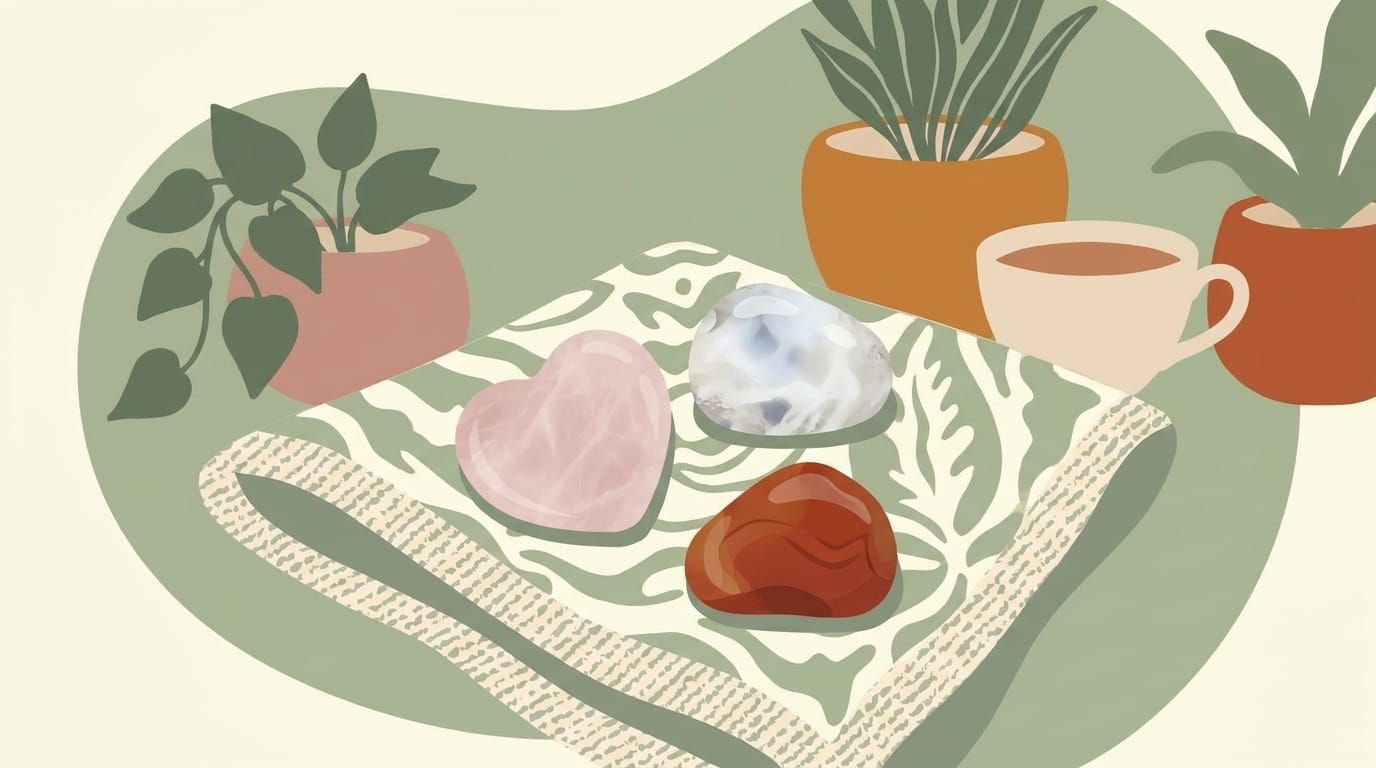
Quick Answer: Fertility crystals are gemstones like rose quartz, moonstone, and carnelian that some people use for emotional support and intention-setting during their fertility journey. There is no scientific evidence that crystals affect fertility, but they may provide comfort through placebo and mindfulness practices. They should never replace medical treatment.
Key Takeaways
- Popular fertility crystals include rose quartz, moonstone, carnelian, and jade - but there is no scientific evidence that any crystal affects reproductive function.
- Crystals may offer emotional comfort through mindfulness, intention-setting, and the psychological benefit of having a tangible focus during a stressful time.
- The placebo effect is real and can genuinely improve wellbeing - but it cannot treat blocked tubes, hormonal imbalances, or sperm issues.
- If crystals bring you comfort, there's no harm in using them alongside evidence-based fertility treatment. Just don't use them instead of medical care.
- Be cautious of sellers making medical claims about crystals - this is a red flag and potentially dangerous.
Fertility Crystals: An Honest Look
Okay, let me be honest with you about this one. I'm a nutritionist and a science person, so when clients ask me about fertility crystals, I'm not going to pretend there's clinical evidence behind them. But I also know that when you're struggling with fertility, anything that brings you comfort and hope has value. So let's talk about what crystals can and can't do.
If you've been scrolling fertility forums or Instagram, you've probably seen posts about rose quartz for fertility, moonstone for conception, or carnelian for reproductive health. Some fertility crystal sellers make bold claims about their ability to "balance hormones," "enhance fertility," or "attract a baby." I owe it to you to address those claims directly.
Do Fertility Crystals Work?
The short answer: there is no scientific evidence that any crystal has any effect on fertility or reproductive function.
No peer-reviewed study has ever demonstrated that a crystal can influence ovulation, improve egg quality, increase sperm count, balance hormones, or affect any other measurable fertility parameter. The mechanisms by which crystals are claimed to work - "energy healing," "vibrational frequencies," "chakra alignment" - have no basis in physics, biology, or reproductive science.
Posner et al. (2007) studied the placebo effect of healing rituals and found that while participants reported subjective improvements in wellbeing, there were no measurable physiological changes beyond what the placebo effect would explain. In other words: if crystals make you feel better, that's real - but it's your mind doing the work, not the crystal.
Why People Use Fertility Crystals
Here's where I want to be fair and nuanced. The fact that crystals don't have magical properties doesn't mean the experience of using them is worthless. Let me explain.
Emotional Comfort
Fertility journeys are emotionally exhausting. The waiting, the uncertainty, the grief of failed cycles - it's relentless. Some women find that having a physical object to hold, carry, or wear provides a sense of comfort and grounding. A rose quartz in your pocket or a moonstone necklace can become a tangible reminder that you're doing something proactive, which can be genuinely soothing during a time when so much feels out of your control.
Mindfulness and Intention
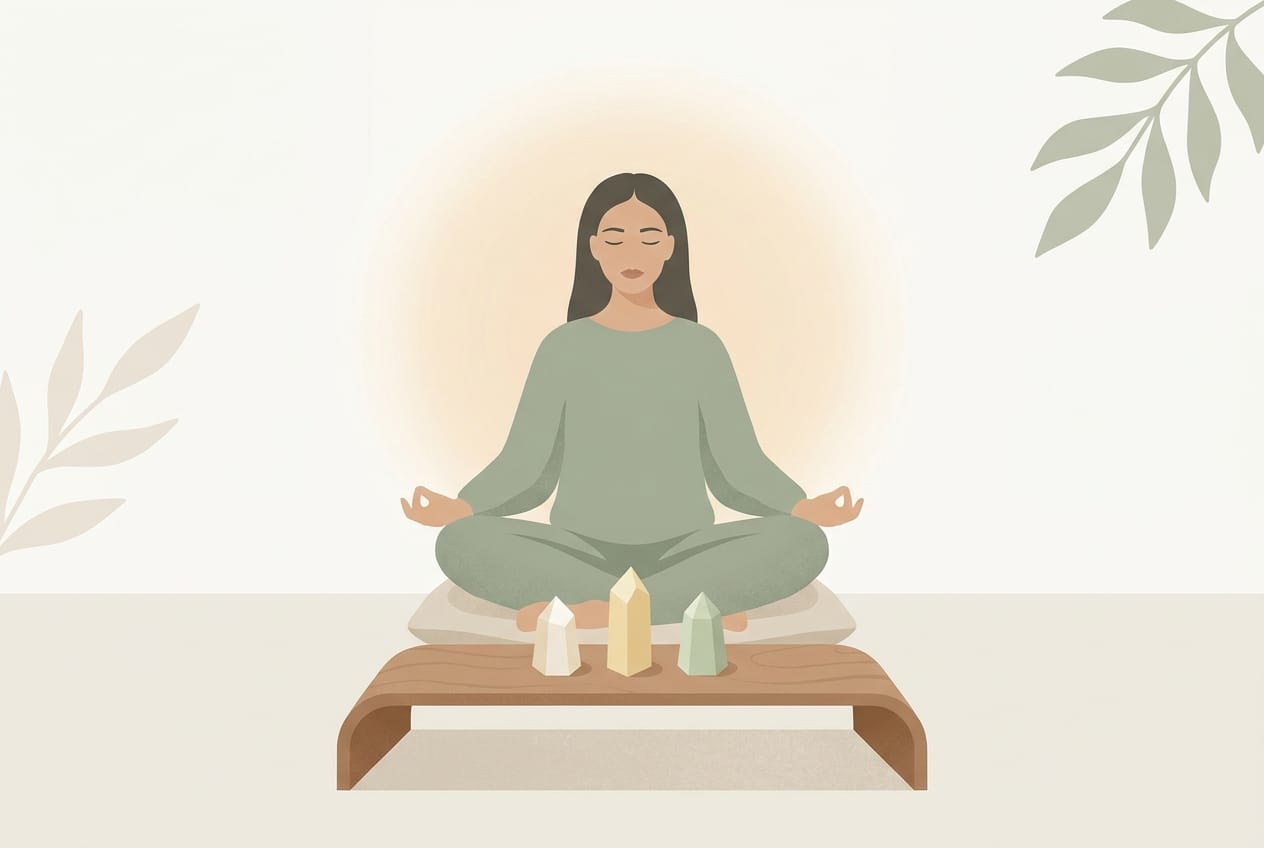
Many crystal users combine them with meditation, affirmations, or intention-setting practices. Hoge et al. (2018) found that mindfulness practices (independent of crystals) reduced anxiety and improved emotional wellbeing in people dealing with health stressors. If a crystal serves as a focal point for mindfulness or meditation, it may indirectly contribute to stress reduction - though the crystal itself isn't doing anything.
Community and Ritual
Using fertility crystals connects you to a community of people who share similar hopes and struggles. The ritual of choosing a crystal, programming it with an intention, and carrying it throughout your cycle can create a sense of agency and belonging. These social and psychological benefits are real, even if the crystal's "energy" isn't.
Popular Fertility Crystals and What People Believe About Them
For completeness and because I know you'll encounter these claims, here's a guide to the most commonly recommended fertility crystals and the beliefs associated with them. I want to be clear: these are beliefs, not medical facts.
Rose Quartz
The most popular fertility crystal. Associated with unconditional love, emotional healing, and opening the heart chakra. Many women carry rose quartz during their fertility journey as a symbol of self-love and hope. It's a beautiful stone - but it won't increase your AMH.
Moonstone
Traditionally associated with the moon, femininity, and fertility (hence the name). Believed to regulate cycles and balance hormones. Moonstone has been linked to fertility in various cultures for centuries, but cultural tradition is not the same as clinical evidence.
Carnelian
A reddish-orange stone associated with the sacral chakra (which, in energy healing traditions, governs the reproductive organs). Believed to stimulate fertility, increase libido, and support the reproductive system. Popular in crystal healing communities for "womb healing" practices.
Jade
Used for centuries in Chinese culture and sometimes associated with fertility and reproductive health. Some women use jade eggs (inserted vaginally), though gynaecologists have raised concerns about the safety of this practice - particularly the risk of infection with non-sterile porous stones.
Unakite
A green and pink stone believed to support reproductive health and balanced emotions. Sometimes recommended for women trying to conceive after miscarriage.
Smoky Quartz
Believed to release negative energy and emotional blockages. Some crystal practitioners recommend it for women carrying anxiety or grief related to fertility struggles.
The Placebo Effect: Real but Limited
I think it's important to talk honestly about the placebo effect, because it's both more powerful than most people think - and less.
The placebo effect is a well-documented phenomenon where a person's belief in a treatment causes measurable improvements in their subjective experience - reduced pain, lower anxiety, improved mood. Benedetti et al. (2005) demonstrated that placebo responses involve real neurochemical changes, including the release of endorphins and dopamine.
So yes: if carrying a crystal genuinely makes you feel calmer, more hopeful, and less anxious, that psychological benefit is real and potentially valuable. Stress reduction, as we discussed in my article on fertility and mental health, can support overall wellbeing during treatment.
But - and this is critical - the placebo effect cannot treat the physical causes of infertility. It cannot unblock fallopian tubes, correct chromosomal abnormalities, improve sperm morphology, restore ovulation in PCOS, or treat endometriosis. If a seller tells you their crystal can do any of these things, they are making false medical claims.
Red Flags: When Crystal Sellers Cross the Line
I want to flag some concerning behaviours I've seen in the fertility crystal market:
- Medical claims: "This crystal balances your hormones," "This stone increases your fertility by aligning your chakras," "Guaranteed to help you conceive." These are false and potentially dangerous if they delay someone from seeking actual medical treatment.
- Exploitation of vulnerability: Fertility patients are often desperate and emotionally vulnerable. Selling expensive crystals with unproven promises to this population is ethically questionable.
- Anti-medicine messaging: Some crystal healing communities discourage conventional fertility treatment or suggest crystals are a superior alternative. This is harmful and could lead to delayed treatment for time-sensitive conditions.
- Overpriced products: Charging hundreds of pounds for a piece of rose quartz because it's been "programmed" for fertility. The stone itself costs a few pounds; the markup is for the story, not the substance.
Can Crystals Be Part of a Healthy Fertility Journey?
Yes - with caveats. If you enjoy crystals and they bring you comfort, there's no medical reason to avoid them. They're not harmful (unless you're using jade eggs, which carry infection risk). Here's how to incorporate them responsibly:
- Use them alongside medical treatment, never instead of it. Crystals can sit on your nightstand while you take your fertility medications.
- Don't spend more than you can comfortably afford. A $5 rose quartz from a local shop works just as well as a $200 "fertility-programmed" crystal from an online store.
- Use them as a mindfulness tool. Hold your crystal during meditation, use it as a journal prompt, or carry it as a reminder to take your vitamins.
- Don't let them add to your stress. If you're worried you're not "using them correctly" or that you've "blocked their energy," the crystal has become a source of anxiety rather than comfort. That defeats the purpose.
- Keep perspective. A crystal is a pretty stone. It might make you feel nice. It won't get you pregnant. And that's okay - not everything in your fertility toolkit needs to be medical.
What Actually Helps with Fertility (Evidence-Based)
Since I've spent this article talking about what doesn't affect fertility, let me briefly redirect to what does:
- Understanding your cycle: OPKs, BBT charting, cervical mucus tracking - these methods are evidence-based and free or inexpensive.
- Preconception health: Folic acid, vitamin D, a balanced diet, moderate exercise, maintaining a healthy weight.
- Timed intercourse: Having sex during your fertile window (the 5 days before ovulation and the day of ovulation).
- Medical evaluation: If you've been trying for 12 months (6 months if over 35), get tested. Early diagnosis of treatable conditions significantly improves outcomes.
- Stress management: Counselling, mindfulness, exercise, support groups - these have genuine evidence behind them for improving wellbeing during fertility treatment.
Dani Recommends
I'll be honest with you: I'm not going to recommend specific crystals because I don't believe they have any physical effect on fertility. But I will recommend the practices that often accompany crystal use, because those have genuine value:
Daily meditation - even 5 minutes - has strong evidence for reducing anxiety and improving emotional wellbeing. If a crystal helps you focus during meditation, great. If not, just sit quietly and breathe.
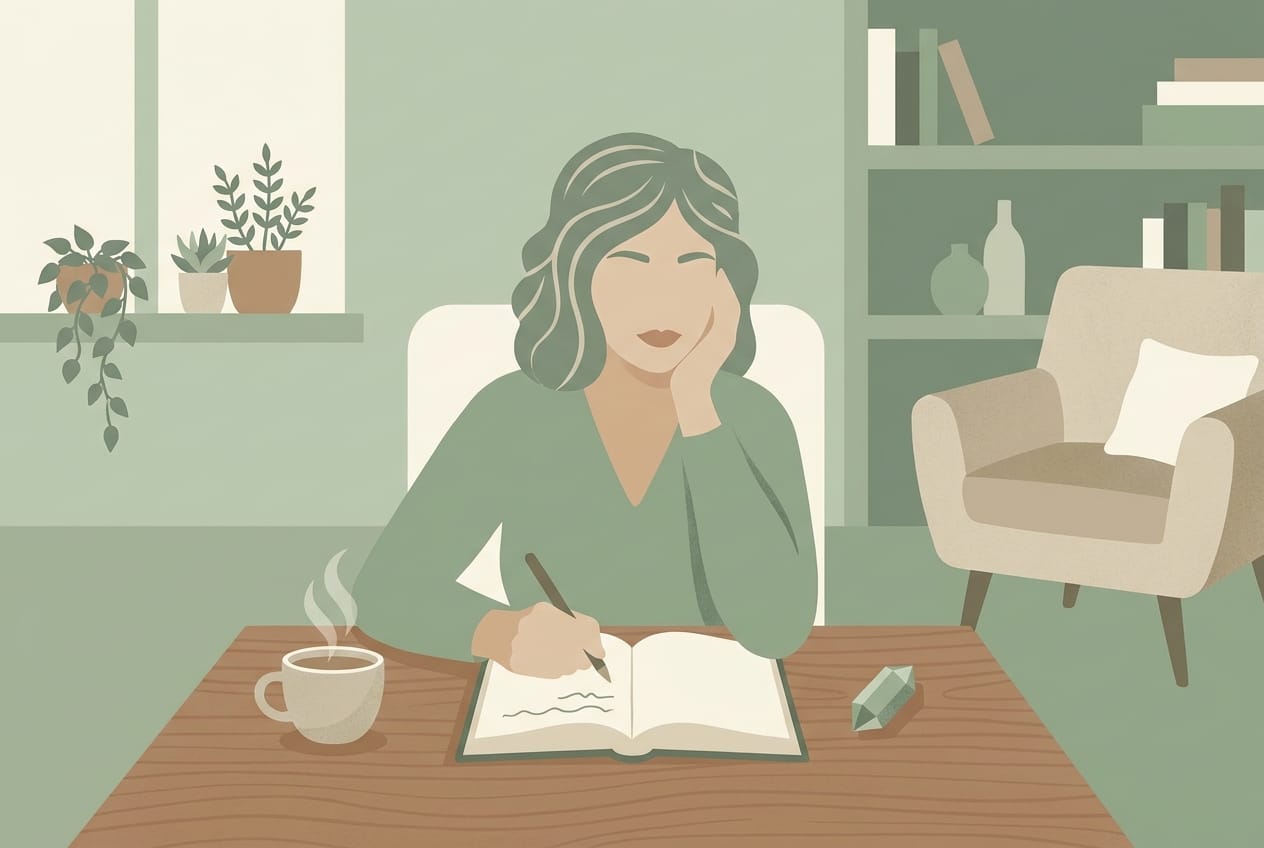
Journaling about your fertility journey is one of the most effective coping strategies available. Baikie and Wilhelm (2005) found that expressive writing significantly reduced anxiety, depression, and distress. You don't need a crystal for this - just a notebook and honesty.
Connecting with others who understand what you're going through - whether in online forums, support groups, or with a fertility counsellor - is more valuable than any stone. The Fertility Network UK and RESOLVE (US) are excellent starting points.
Frequently Asked Questions
Do fertility crystals actually work?
There is no scientific evidence that any crystal has any effect on fertility or reproductive function. Crystals cannot affect hormones, egg quality, sperm count, or any other fertility parameter. However, some people find them emotionally comforting, which may indirectly support wellbeing during the fertility journey through placebo and mindfulness effects.
Which crystal is best for fertility?
From a scientific perspective, no crystal is "best" because none of them affect fertility. From a cultural and wellness perspective, rose quartz, moonstone, and carnelian are the most commonly recommended. If you'd like to try one for emotional support, choose whichever stone appeals to you aesthetically - there's no evidence that one type works better than another.
Can I wear fertility crystals while doing IVF?
Yes, wearing crystals won't interfere with IVF treatment. However, please don't rely on crystals as a replacement for your medication, supplements, or medical appointments. Think of it as an emotional companion, not a treatment.
Are jade eggs safe for fertility?
Most gynaecologists advise against using jade eggs or any non-sterile porous stone internally. Porous materials can harbour bacteria and increase the risk of vaginal infections, which can actually harm fertility. If you want to strengthen your pelvic floor, evidence-based options like pelvic floor physiotherapy are safer and more effective.
How much should I spend on fertility crystals?
As little as possible. A small rose quartz or moonstone from a reputable crystal shop costs a few pounds. There is no evidence that more expensive or "programmed" crystals work better. If a seller is charging premium prices for fertility-specific claims, that's a red flag.
Can crystals help with the emotional side of infertility?
The crystals themselves don't have a direct emotional effect, but the practices associated with them - meditation, intention-setting, mindfulness - do have evidence for reducing stress and anxiety. If holding a crystal during meditation helps you feel calmer, that benefit is real, even if the crystal isn't providing it through any inherent property.
Should I tell my fertility doctor I'm using crystals?
You can, though most doctors will neither encourage nor discourage it. What's important is that you're transparent about any alternative practices so your doctor can ensure nothing conflicts with your medical treatment. If you're using jade eggs, taking herbal supplements alongside crystals, or delaying medical treatment because of crystal recommendations, your doctor needs to know.
The Bottom Line
Fertility crystals are pretty. They might make you feel nice. They have no effect on your actual fertility. And that's okay.
You don't need to choose between science and comfort - you can use crystals as an emotional companion while pursuing evidence-based fertility treatment. Just don't let anyone sell you a false promise, and don't let crystals replace the medical care that could genuinely help you build your family.
Your fertility journey deserves honesty, evidence, and compassion. Crystals can provide a small moment of calm. Medical science provides the actual path forward. Use both wisely.
Cite This Page
Bowen, D. (2026). Fertility Crystals: Do They Work? An Honest, Evidence-Based Look. Fertilitys. Retrieved from https://fertilitys.com/fertility-crystals
References
- Baikie, K.A. and Wilhelm, K. (2005). Emotional and physical health benefits of expressive writing. Advances in Psychiatric Treatment, 11(5), 338-346.
- Benedetti, F., et al. (2005). Neurobiological mechanisms of the placebo effect. Journal of Neuroscience, 25(45), 10390-10402.
- Hoge, E.A., et al. (2018). The effect of mindfulness meditation training on biological acute stress responses in generalized anxiety disorder. Psychiatry Research, 262, 328-332.
- Posner, G., et al. (2007). The placebo effect in alternative medicine: a systematic review. Journal of Alternative and Complementary Medicine, 13(6), 671-676.
Medical Disclaimer: This article is for informational purposes only and does not constitute medical advice. Crystals should never be used as a substitute for medical fertility treatment. If you are trying to conceive, please consult a qualified healthcare professional for evidence-based guidance.
Written by

Subscribe to Fertilitys
All my Free Resources. No spam. Unsubscribe anytime.