Fertility and BMI: How Weight Affects Your Chances of Conceiving
How both underweight and overweight BMI affect ovulation, hormonal balance, and time to pregnancy. Evidence-based guidance without the shaming.


⚡ Quick Answer
Both underweight and overweight BMI can affect fertility, but not in the way most people think. The issue is hormonal — body fat regulates oestrogen, and extremes in either direction disrupt the delicate hormonal balance needed for regular ovulation. The good news is that modest, sustainable changes often restore cycle regularity.
🔑 Key Takeaways
- Both ends of the BMI spectrum affect fertility — underweight women can experience hypothalamic amenorrhoea, while overweight women may have disrupted ovulation
- Body fat tissue is hormonally active — it converts androgens to oestrogen, which feeds back to the brain and affects GnRH pulsing
- A BMI below 19 or above 30 is associated with longer time to pregnancy in multiple large studies
- The focus should be on health-promoting behaviours, not a number on the scale — restrictive dieting can be just as harmful as the weight itself
- Even small improvements in diet quality and activity level can improve ovulation regularity regardless of BMI change
📑 Table of Contents
I'm going to start with something I say to every client who sits down in my clinic and immediately apologises for their weight: stop. I don't need you to apologise for your body. What I need us to do is understand how your body composition might be affecting your hormones — and then figure out what, if anything, we can do about it.
BMI is a loaded topic in fertility. It's also a terrible metric in many ways — it doesn't distinguish between muscle and fat, it doesn't account for where fat is distributed, and it was never designed for individual health assessment. But the clinical research does consistently show a relationship between BMI extremes and fertility outcomes, so we need to talk about it honestly and with nuance.
This article is not about telling you to lose weight. I've worked with women who were told by their doctor to "just lose weight" and felt devastated, shamed, and unheard. What this article is about is understanding the biology, knowing your options, and making informed choices that feel right for your body and your mental health.
How BMI Affects Your Hormones and Ovulation
To understand why BMI matters for fertility, you need to understand one thing: fat tissue is not inert. Adipose tissue (body fat) is a hormonally active organ. It produces and converts hormones, particularly oestrogen, and it communicates directly with your brain through the HPO (hypothalamic-pituitary-ovarian) axis.
Here's the chain of events. Your brain's hypothalamus releases GnRH in carefully timed pulses. These pulses tell your pituitary to release LH and FSH, which in turn drive ovulation. For these pulses to work properly, the hypothalamus needs accurate feedback about your body's energy status.
When body fat is too low, the brain perceives an energy deficit and reduces GnRH pulsing — essentially telling the body that now isn't a safe time to reproduce. When body fat is too high, the excess oestrogen produced by fat tissue confuses the feedback loop, leading to hormonal imbalance and irregular ovulation.
Rich-Edwards et al. (2002) followed over 116,000 women in the Nurses' Health Study and found that both BMI under 20 and BMI over 25 were associated with ovulatory infertility. The relationship was dose-dependent — the further from a BMI of 22-24, the higher the risk.
Being Underweight and Fertility
This is the side that often gets overlooked. In my experience, when people think about BMI and fertility, they immediately think about being overweight. But being underweight (BMI below 18.5) can be just as impactful — sometimes more so.
The primary mechanism is hypothalamic amenorrhoea. When the body perceives insufficient energy reserves — whether from low body fat, excessive exercise, restrictive eating, or a combination — the hypothalamus shuts down GnRH pulsing. Periods become irregular or stop entirely.
I see this pattern most often in:
- Women who are very active — runners, dancers, gymnasts — who may not be eating enough to match their energy output
- Women who have been on restrictive diets for extended periods, particularly those avoiding fats
- Women with high stress combined with low caloric intake — the cortisol and energy deficit compound each other
- Women recovering from eating disorders, even if they consider themselves "recovered" physically
Wise et al. (2010) found that women with a BMI below 20 had a significantly longer time to pregnancy compared to women in the 21-29 range. Critically, this relationship held even after adjusting for other factors like age, smoking, and exercise.
I tell my underweight clients: gaining weight doesn't have to mean eating junk food or losing your fitness. It means ensuring your body has enough energy to support reproduction. Sometimes the most fertility-supportive thing you can do is eat an extra avocado and dial back the HIIT classes. More on <a href='/fertility-and-exercise/'>exercise and fertility here</a>.
Being Overweight and Fertility
For women with a BMI over 30, the fertility picture is different but equally well-documented. Norman et al. (2004) reviewed the evidence and found that obesity is associated with:
- Reduced frequency of ovulation — excess oestrogen from fat tissue disrupts the GnRH pulse generator
- Lower oocyte (egg) quality — even when ovulation occurs, the hormonal environment may affect egg maturation
- Increased risk of <a href='/pcos-and-pregnancy/'>PCOS</a> — which itself causes anovulation and insulin resistance
- Lower success rates in IVF — multiple studies show reduced implantation and higher miscarriage rates
- Higher pregnancy complications — pre-eclampsia, gestational diabetes, and birth complications
But here's what I always emphasise: correlation is not the same as causation, and BMI alone doesn't tell the whole story. I've worked with women with a BMI of 35 who conceived naturally within three months, and women with a "perfect" BMI who struggled for years. BMI is one factor among many.
The mechanism is primarily hormonal. Fat tissue converts androgens to oestrogen through an enzyme called aromatase. More fat means more conversion, which means higher circulating oestrogen. This excess oestrogen tells the hypothalamus there's plenty of hormone activity, reducing FSH output and disrupting the delicate hormonal cascade needed for ovulation.
What to Actually Do About It (Without the Shaming)
This is the section I care most about, because the advice women typically receive — "just lose weight" — is not only unhelpful, it can be actively harmful. Restrictive dieting causes its own hormonal disruption, increases cortisol, and can make fertility worse before it gets better.
Here's what I actually recommend to my clients:
Focus on food quality, not calories
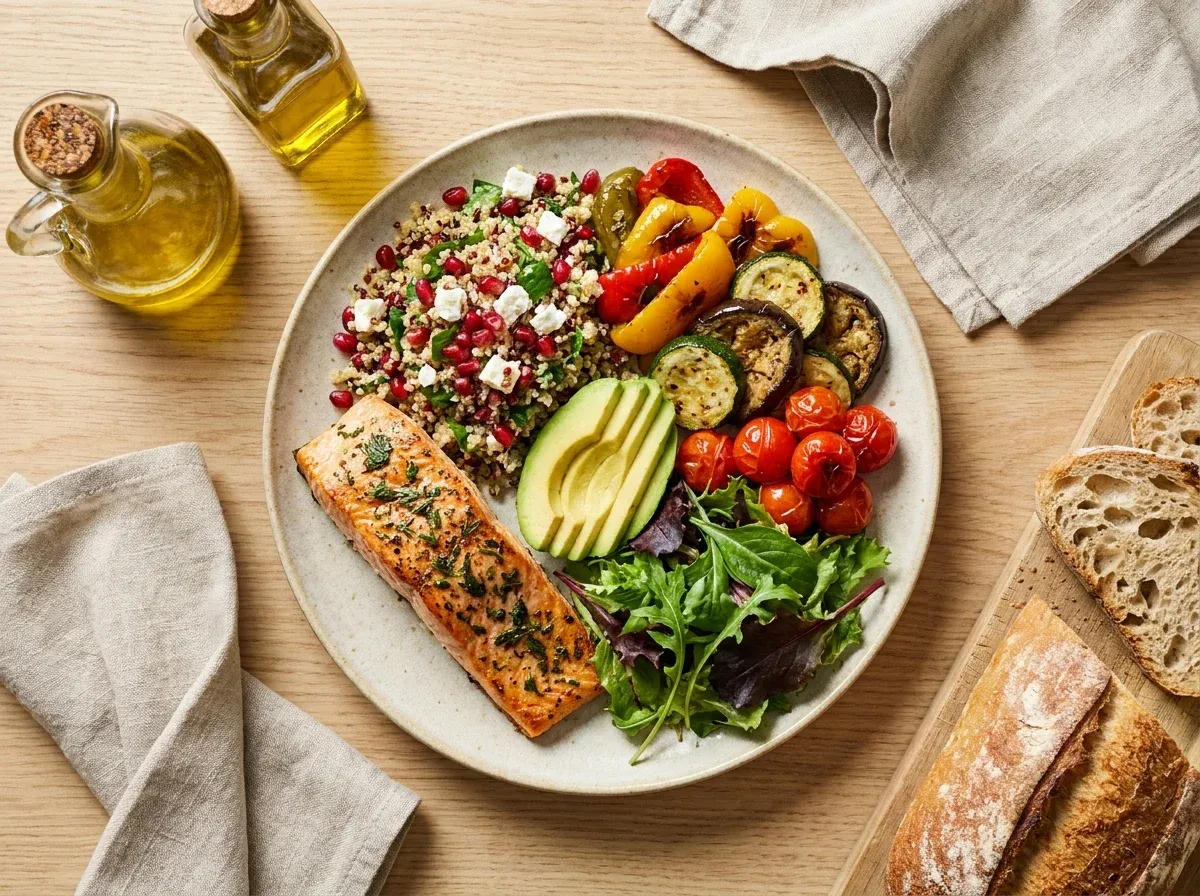
Instead of counting calories, shift what you eat. A <a href='/fertility-diet-plan/'>fertility-focused diet</a> — rich in whole grains, healthy fats, lean proteins, and plenty of vegetables — supports hormonal balance without the stress of restriction. Rich-Edwards et al. (2002) found that even without significant weight loss, dietary quality improvements were associated with better ovulatory function.
Move your body gently and consistently
For women who are overweight, moderate exercise (30 minutes of walking, swimming, or yoga most days) supports insulin sensitivity, reduces inflammation, and improves ovulation regularity — often before any weight change occurs. For women who are underweight, the focus may need to be on exercising less and eating more.
Address insulin resistance if present
Many overweight women with fertility issues also have insulin resistance, particularly if <a href='/pcos-and-pregnancy/'>PCOS</a> is involved. Blood sugar management through diet (reducing refined carbs, increasing protein and fibre) can have a bigger impact on ovulation than weight loss itself. This is one area where a qualified nutritionist can make a real difference.
Protect your mental health
I cannot stress this enough. The shame, guilt, and self-blame that many women carry about their weight and fertility is itself a source of chronic stress — which, as we discussed in my article on <a href='/stress-and-fertility/'>stress and fertility</a>, directly suppresses ovulation. Any changes you make should feel empowering, not punishing.
Work with someone who gets it
If your GP has told you to lose weight and sent you on your way, that's not good enough. You deserve a practitioner who looks at the whole picture — your hormones, your diet, your exercise, your stress, your mental health. A fertility-specialist nutritionist or a reproductive endocrinologist who takes a holistic view will serve you much better than a generic "lose weight" instruction.
BMI and IVF/Fertility Treatment
If you're considering or already undergoing fertility treatment, BMI becomes more immediately relevant because many clinics have strict BMI cut-offs for treatment. This is often frustrating and can feel punitive, but there are physiological reasons behind it.
Higher BMI affects IVF outcomes through several pathways: reduced response to stimulation drugs (meaning fewer eggs retrieved), lower implantation rates, higher anaesthesia risk during egg collection, and increased pregnancy complications. Norman et al. (2004) showed that women with a BMI over 30 had 30% lower IVF success rates compared to women in the normal range.
However, I want to be clear: if your BMI is above a clinic's threshold, that doesn't mean you can't have a baby. It may mean working with your medical team to optimise your health before treatment, or finding a clinic with different thresholds. Every woman's situation is unique, and a blanket BMI cut-off doesn't account for that.
🌿 Dani Recommends
The Fertility Power Bowl
This is what I eat for lunch most days and recommend to every client: brown rice or quinoa base, roasted sweet potato, sautéed dark leafy greens, half an avocado, a handful of walnuts, a soft-boiled egg, and a drizzle of extra virgin olive oil. It covers healthy fats for hormone production, complex carbs for blood sugar balance, protein for egg quality, and iron for your blood supply. Make it your default lunch — your body will thank you.
Frequently Asked Questions
What BMI is best for getting pregnant?
The research suggests the lowest risk of ovulatory infertility is in the BMI range of 20-25, with the sweet spot around 22-24 (Rich-Edwards et al., 2002). However, women outside this range conceive every day. BMI is one factor among many, and obsessing over hitting a specific number often does more harm than good.
Can being underweight stop your periods?
Yes. When the body perceives an energy deficit — whether from low body fat, restrictive eating, or excessive exercise — the hypothalamus reduces GnRH pulsing, which can lead to irregular periods or complete amenorrhoea (absence of periods). This is the body's way of saying it doesn't have the resources to support a pregnancy.
How much weight do I need to lose to get pregnant?
There's no magic number. Research suggests that even a 5-10% reduction in body weight (if overweight) can restore ovulation in some women. But the focus should be on healthy behaviours — better food quality, moderate exercise, stress reduction — rather than a target weight. Often, ovulation improves before significant weight loss occurs.
Does BMI affect IVF success rates?
Yes. Multiple studies show that women with a BMI over 30 have lower IVF success rates, including reduced egg retrieval numbers, lower implantation rates, and higher miscarriage rates. Many clinics have BMI cut-offs for treatment, though these vary. Your reproductive endocrinologist can discuss your specific situation.
Can I get pregnant naturally with a high BMI?
Absolutely. Many women with a BMI over 30 conceive naturally without intervention. Higher BMI increases the risk of ovulatory issues but doesn't guarantee them. If you're ovulating regularly and your partner's sperm parameters are normal, your chances are reasonable. Lifestyle optimisation can improve outcomes regardless of BMI.
Is it harder to get pregnant if you're underweight?
Yes, in many cases. Wise et al. (2010) found that women with a BMI below 20 had a longer time to pregnancy. Severe underweight (BMI below 18.5) can cause hypothalamic amenorrhoea, where periods stop entirely. If your BMI is low and your cycles are irregular, the most helpful thing you can do is increase your caloric intake and reduce intense exercise.
Should I avoid exercise if I'm trying to conceive and underweight?
Not avoid entirely, but you may need to shift your approach. High-intensity exercise combined with low caloric intake is a common cause of hypothalamic amenorrhoea. Consider replacing intense workouts with gentler activities like walking, yoga, or swimming, and make sure you're eating enough to support your activity level.
⚕️ Medical Disclaimer
This article is for informational purposes only and does not constitute medical advice. BMI is a limited metric and does not capture the full picture of your health. Please consult with a qualified healthcare professional before making changes to your diet, exercise, or fertility plan. If you have or suspect an eating disorder, please seek specialist support.
📚 Cite This Page
Dani, Fertilitys. "Fertility and BMI: How Weight Affects Your Chances of Conceiving." Fertilitys.com, 11 Jul. 2026, https://fertilitys.com/fertility-and-bmi/
References
- Rich-Edwards, J.W. et al. (2002) 'A prospective study of body size and ovulatory infertility in the Nurses' Health Study II', Epidemiology, 13(5), pp. 527-532.
- Wise, L.A. et al. (2010) 'A prospective study of BMI and time to pregnancy', Epidemiology, 21(3), pp. 376-383.
- Norman, R.J. et al. (2004) 'Polycystic ovary syndrome and obesity', The Lancet, 364(9447), pp. 1321-1332.
- Pasquali, R. et al. (2003) 'Obesity and reproductive disorders in women', Human Reproduction Update, 9(4), pp. 359-372.
- Brewer, C.J. and Balen, A.H. (2010) 'The adverse effects of obesity on conception and implantation', Reproduction, 140(3), pp. 347-364.
Written by

Subscribe to Fertilitys
All my Free Resources. No spam. Unsubscribe anytime.