Preconception Health: A Nutritionist's Guide to Preparing Your Body
What to do 3 months before trying to conceive: folic acid, key blood tests, nutrition and supplement guide, and the lifestyle changes that actually matter — from a registered nutritionist.


Why 3 months matters
The eggs that will be released during your fertile months are maturing right now — and they started that process approximately 90 days ago. Sperm take a similar amount of time to develop. That means the nutrition, lifestyle, and environmental choices you make today directly influence the quality of the eggs and sperm involved in conception 3 months from now.
This isn't about being perfect. It's about giving your body the best raw materials during the window when it matters most. A 2024 FIGO preconception checklist emphasised that even modest improvements in nutrition and lifestyle during this period can meaningfully improve outcomes (Benedetto et al., 2024).

What I tell clients is this: you don't need to transform your entire life before you start trying. But three months of intentional preparation — folic acid, a nutrient-dense diet, key blood tests, a few sustainable habit shifts — can make a genuine difference. And the beauty of starting early is that you're building habits, not cramming. By the time you're pregnant, the good patterns are already established.
The non-negotiable: folic acid
If you take one thing from this article, let it be this: start folic acid now. Not when you get a positive test. Not when you start trying. Now.
Folic acid (400μg daily) prevents neural tube defects (NTDs) — serious conditions like spina bifida that develop in the first 28 days after conception. That's before most women even know they're pregnant. The evidence is unequivocal: adequate folic acid in the periconceptional period reduces NTD risk by 50–70% (NIH, 2024).
Practical guidance:
- 400μg folic acid daily — available over the counter, costs pennies
- If you have a family history of NTDs, BMI over 30, diabetes, or take anti-epileptic medication, your GP may recommend 5mg daily (prescription dose)
- Some women prefer methylfolate (the active form) — particularly those with MTHFR gene variants. Both forms are effective for most people
- Food sources help too: dark leafy greens, lentils, chickpeas, asparagus, avocado. But food alone typically isn't enough — supplement as well
Your preconception nutrition checklist
This is what I work through with every client planning to conceive. Not all at once — build these in over a few weeks. Small shifts that become habits.
Increase:
- Colourful vegetables and fruit — aim for 7+ portions daily. Each colour represents different antioxidants that protect egg and sperm quality. I keep a mental colour count: green by breakfast (spinach in eggs), red at lunch (tomatoes, peppers), orange at dinner (sweet potato, carrots). It sounds simple because it is
- Oily fish — twice a week minimum. Salmon, mackerel, sardines for DHA and EPA. Our omega-3 guide covers why this matters so much for egg quality
- Iron-rich foods — build your stores before pregnancy depletes them. Red meat, lentils, spinach, fortified cereals. Pair with vitamin C for absorption. Our iron guide has the full breakdown
- Whole grains — oats, brown rice, quinoa, wholemeal bread. Steady blood sugar supports hormonal balance and regular ovulation
- Healthy fats — avocado, olive oil, nuts, seeds. Your hormones are literally made from cholesterol. Don't fear fat — embrace it
- Protein at every meal — eggs, fish, poultry, beans, tofu, Greek yoghurt. Protein supports hormone production and egg development
Reduce:
- Ultra-processed foods — not about being purist, but about shifting the balance. More cooking from scratch, fewer ready meals. The Nurses' Health Study found that diet quality significantly predicted fertility outcomes
- Refined sugar — blood sugar spikes promote inflammation and can disrupt ovulation. Swap sugary snacks for nuts, fruit, or dark chocolate
- Trans fats — found in some margarines, baked goods, and fried foods. The Nurses' Health Study found that trans fat intake was specifically associated with ovulatory infertility
- Caffeine — moderate is fine (200mg/day, roughly 2 cups of coffee). No need to eliminate it unless you're consuming large amounts
Key supplements beyond folic acid
| Supplement | Why | Dose | Notes |
|---|---|---|---|
| Vitamin D | Immune function, implantation, pregnancy outcomes | 25–50μg (1,000–2,000 IU) daily | Get tested first — deficiency is extremely common in the UK. Full guide |
| Omega-3 (DHA+EPA) | Egg quality, anti-inflammatory, baby's brain development | 1,000–2,000mg combined daily | From oily fish or supplement. Full guide |
| CoQ10 | Mitochondrial energy for egg maturation | 200–600mg daily (ubiquinol preferred) | Especially important for women 35+. Full guide |
| Iron | Prevents anaemia, supports ovulation | Check ferritin first — supplement if below 30μg/L | Don't supplement without testing. Full guide |
| Iodine | Thyroid function, baby's brain development | 150μg daily | Often missing from prenatal vitamins. Check the label |
Always discuss supplements with your GP or pharmacist, particularly if you take medication.
Blood tests to request
This is where preconception care becomes genuinely proactive rather than reactive. Your GP should be willing to run basic preconception bloods. If they're not, push for them — or book privately. Knowing your baseline is invaluable.
- Full blood count (FBC) — checks haemoglobin and red blood cells. Identifies anaemia before pregnancy amplifies it
- Ferritin — iron stores. More sensitive than haemoglobin alone. Below 30μg/L means you're depleted even if haemoglobin looks "normal." This is the test that gets missed most often
- Vitamin D — 25-hydroxyvitamin D. Optimal is above 75 nmol/L. Most people in the UK are below this, especially in winter
- Thyroid function (TSH, free T4) — undiagnosed thyroid issues can cause anovulation, miscarriage, and pregnancy complications. Worth checking even without symptoms. Our thyroid guide explains ideal levels for conception
- Rubella immunity — if you're not immune, you'll need vaccination (then wait 1 month before trying)
- Fasting glucose or HbA1c — especially if PCOS, family history of diabetes, or BMI over 30
I tell every client: think of these tests as a preconception MOT. You wouldn't drive your car across the country without checking the oil and tyres. You're about to ask your body to do the most energy-intensive thing it will ever do. Give it a check-up first.
Lifestyle changes that actually matter
Alcohol. The safest approach is to stop when you start trying. There's no confirmed safe level in early pregnancy, and the first weeks — before you know you're pregnant — are a critical development period. I know this feels absolute, and I'm not here to judge anyone's choices. But the evidence is clear enough that I'd rather be honest about it.
Smoking. Stop. Smoking reduces fertility in both women and men, accelerates egg loss, increases miscarriage risk, and causes serious pregnancy complications. This is the single most impactful lifestyle change you can make. Your GP can help with cessation support.
Weight. Both underweight and overweight can affect ovulation. A BMI of 19–24 is associated with the best fertility outcomes, but the focus should be on health markers rather than the number on the scale. If you have PCOS, even a modest 5–10% weight loss can restore ovulation. The goal is metabolic health, not a particular dress size.
Exercise. Moderate, regular exercise supports fertility. Excessive exercise (particularly high-intensity training on a calorie deficit) can suppress ovulation. The sweet spot: 150 minutes of moderate activity per week — walking, swimming, yoga, cycling. Enough to support your health without stressing your body. If you're a keen runner or gym-goer, you don't need to stop — but you may need to moderate intensity and ensure you're eating enough.
Sleep. 7–9 hours consistently. Sleep deprivation disrupts the hormones that regulate your cycle — including LH, FSH, and progesterone. I know "get more sleep" is easy advice and hard practice. Start with one change: a consistent bedtime, even on weekends. Your circadian rhythm drives your hormonal rhythm.
Stress. Chronic stress delays ovulation and shortens the luteal phase. I won't tell you to "just relax" — that's unhelpful and dismissive. But building regular stress-management practices into your routine before you start trying means they're already in place when the TTC stress inevitably arrives. Walking, yoga, breathwork, therapy, journaling — whatever genuinely helps you decompress. Build the habit now.
For your partner
Preconception health isn't just for women. Sperm take approximately 74 days to develop, so the same 3-month preparation window applies. And yet, in my experience, about 80% of couples focus exclusively on the woman's preparation. This isn't a solo project.
- Stop or reduce alcohol — associated with reduced sperm quality and count
- Stop smoking — damages sperm DNA directly
- Eat well — the same Mediterranean-style diet that supports female fertility supports sperm quality too
- Supplement basics — a good multivitamin plus omega-3 and CoQ10. Zinc (15mg) and selenium (55μg) also have evidence for sperm health
- Avoid heat exposure — hot baths, saunas, laptops on lap. Sperm production requires temperatures 2–3°C below body temperature
- Exercise moderately — supports testosterone and sperm quality. Avoid anabolic steroids (they suppress sperm production entirely, sometimes for months)
The conversation about male preconception health can feel awkward, but it matters. Half the genetic material comes from your partner. His health in the 3 months before conception influences embryo quality, implantation success, and even pregnancy outcomes.
🌿 Dani Recommends
A Sunday meal prep habit
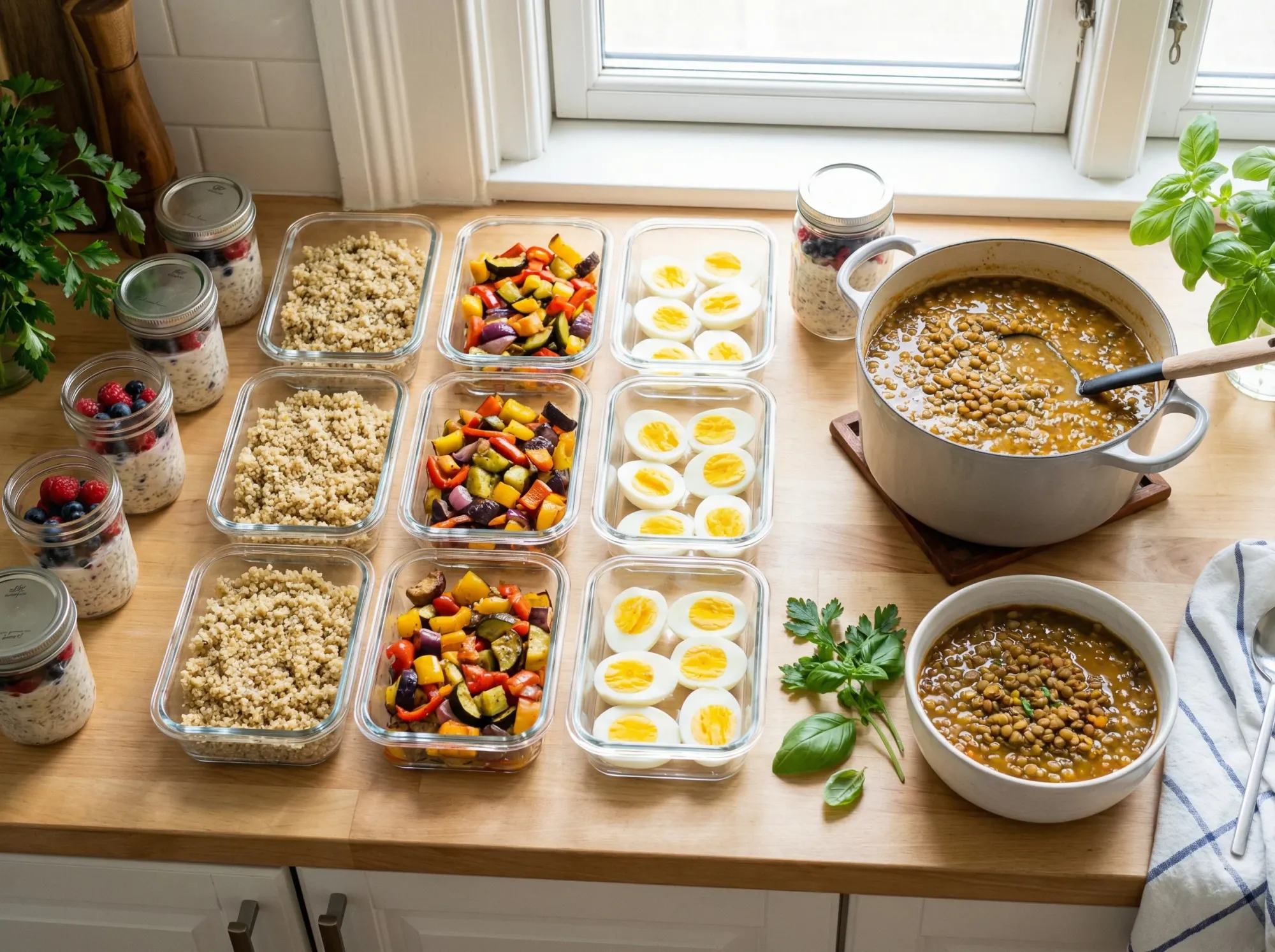
The single most useful thing I did during my own preconception months was batch-cooking on Sunday afternoons. Not elaborate recipes — just a big pot of lentil soup or a tray of roasted vegetables, a batch of quinoa, prepped overnight oats for the week, and hard-boiled eggs. Nothing fancy. Just having healthy food ready in the fridge so that when Wednesday evening hit and I was exhausted, the path of least resistance was still nutritious. Preconception nutrition isn't about perfect meals every day. It's about making good choices easy and bad choices harder. A fridge full of prepped food does that better than any meal plan ever could.
The first appointment
Book a preconception appointment with your GP. Many women don't realise this is a thing you can do — but it is, and it's worth it. Here's what to ask for:
- Review of any medications you're taking (some need to be changed before pregnancy)
- The blood tests listed above (FBC, ferritin, vitamin D, thyroid, rubella, fasting glucose)
- Review of your vaccination history
- Discussion of any pre-existing conditions (mental health, autoimmune, diabetes)
- Cervical screening if you're due
- Folic acid prescription if you need the higher 5mg dose
If your GP doesn't offer preconception appointments or seems unfamiliar with the concept, you can also book privately with a fertility nutritionist, reproductive endocrinologist, or preconception health clinic. The investment in baseline knowledge pays for itself in peace of mind.
The bottom line
Preconception health is the most underused window in fertility. Three months of targeted preparation — folic acid, a nutrient-dense diet, key blood tests, sustainable lifestyle habits — can meaningfully improve your chances of conceiving and having a healthy pregnancy. You don't need to be perfect. You need to be consistent, and you need to start before you start trying.
Give yourself grace. Building new habits takes time. The goal is progress, not perfection — and the person you're becoming through this process will serve you well through pregnancy, birth, and beyond.
How long before trying should I prepare my body?
Ideally 3 months — this is roughly how long eggs and sperm take to mature. Start folic acid immediately, build nutritional improvements over a few weeks, and get blood tests done early so you have time to correct any deficiencies. Even a few weeks of preparation is better than none.
What supplements should I take before getting pregnant?
Folic acid (400μg) is essential — start immediately. Beyond that: vitamin D (1,000–2,000 IU), omega-3 (1,000mg DHA+EPA), and a prenatal multivitamin. CoQ10 (200–600mg) is particularly useful over 35. Get your iron and vitamin D levels tested before supplementing blindly.
Do I need to stop drinking alcohol before TTC?
The safest approach is to stop when you start trying, since there's no confirmed safe level in early pregnancy and you won't know you're pregnant for several weeks. If that feels too strict, at minimum reduce significantly and avoid binge drinking.
Should my partner prepare too?
Yes — sperm take approximately 74 days to develop, so the same 3-month window applies. Key changes: stop smoking, reduce alcohol, eat well, supplement with omega-3 and CoQ10, avoid excessive heat, and exercise moderately.
What blood tests should I get before trying to conceive?
Request: full blood count, ferritin (iron stores), vitamin D, thyroid function (TSH and free T4), rubella immunity, and fasting glucose or HbA1c if you have PCOS or diabetes risk factors. Your GP should run these as part of a preconception check.
References
- Benedetto, C. et al. (2024). FIGO Preconception Checklist: Preconception care for mother and baby. International Journal of Gynecology & Obstetrics. Wiley
- NIH Office of Dietary Supplements. (2024). Dietary Supplements and Pregnancy. NIH
- Adams, J.B. et al. (2022). Evidence based recommendations for an optimal prenatal supplement. Maternal Health, Neonatology and Perinatology, 8, 4. PMC
- Chavarro, J.E. et al. (2007). Diet and Lifestyle in the Prevention of Ovulatory Disorder Infertility. Obstetrics & Gynecology, 110(5), 1050–1058.
- NICE. (2013, updated 2017). Fertility problems: assessment and treatment (CG156). NICE
Medical disclaimer: This article is for informational purposes only and does not constitute medical advice. Before making changes to your diet, starting supplements, or stopping medication, consult your GP or a qualified healthcare professional.
Written by

Subscribe to Fertilitys
All my Free Resources. No spam. Unsubscribe anytime.