Progesterone and Fertility: What Low Progesterone Means for Getting Pregnant
What progesterone does for fertility, how to test for low progesterone, the Day 21 test explained, and evidence on progesterone supplements in early pregnancy.


⚡ Quick Answer
Progesterone prepares your uterine lining for implantation and supports early pregnancy. Low progesterone can cause a short luteal phase, making it harder for a fertilised egg to implant. The Day 21 progesterone test is the standard way to check. Supplementation in early pregnancy is supported by the PRISM trial (Coomarasamy et al., 2019).
🔑 Key Takeaways
- Progesterone thickens and matures the uterine lining after ovulation — without it, implantation cannot occur
- Low progesterone often manifests as a short luteal phase (less than 10 days between ovulation and your period)
- The Day 21 progesterone blood test measures whether you've ovulated and if your levels are sufficient
- The PRISM trial (Coomarasamy et al., 2019) showed progesterone supplements improved live birth rates in women with early pregnancy bleeding
- Natural ways to support progesterone include managing stress, adequate sleep, and specific nutrients — but these don't replace medical treatment when levels are genuinely low
📑 Table of Contents
Of all the fertility hormones I explain in my clinic, progesterone is probably the most misunderstood. I hear things like "I just need more progesterone" or "I'm taking vitex to boost my progesterone" — and while those instincts come from the right place, the reality is more nuanced than most articles let on.
Progesterone plays a genuinely critical role in fertility. It prepares your uterus for implantation, supports early pregnancy, and works in a delicate dance with oestrogen throughout your cycle. When it's low, real problems can follow. But the causes of low progesterone are varied, the testing has limitations, and the treatment depends on your specific situation.
Let me walk you through everything I tell my clients about progesterone and fertility — what it does, how to test it, and what to do if yours is low.
What Progesterone Actually Does
Progesterone is often called "the pregnancy hormone," and for good reason. After ovulation, the empty follicle (now called the corpus luteum) produces progesterone for about 12-14 days. This progesterone does several crucial things:
- Thickens and matures the uterine lining (endometrium) — transforming it from a thin, hostile environment into a thick, welcoming one that can receive a fertilised egg
- Supports implantation — a fertilised egg needs a progesterone-primed lining to embed and establish a pregnancy
- Prevents uterine contractions — progesterone keeps the uterus calm and still, which is essential for implantation
- Modulates the immune system — it helps prevent the mother's immune system from attacking the developing embryo
- Maintains early pregnancy — once the placenta takes over at around 8-10 weeks, it produces its own progesterone, but until then, the corpus luteum's progesterone is all that stands between you and pregnancy loss
Csapo et al. (1972) demonstrated that removing progesterone support in early pregnancy (progesterone withdrawal) invariably led to pregnancy loss. This landmark finding established progesterone as non-negotiable for maintaining pregnancy. The ASRM (American Society for Reproductive Medicine) confirms that adequate progesterone is essential for both implantation and early pregnancy maintenance.
Progesterone and the Luteal Phase
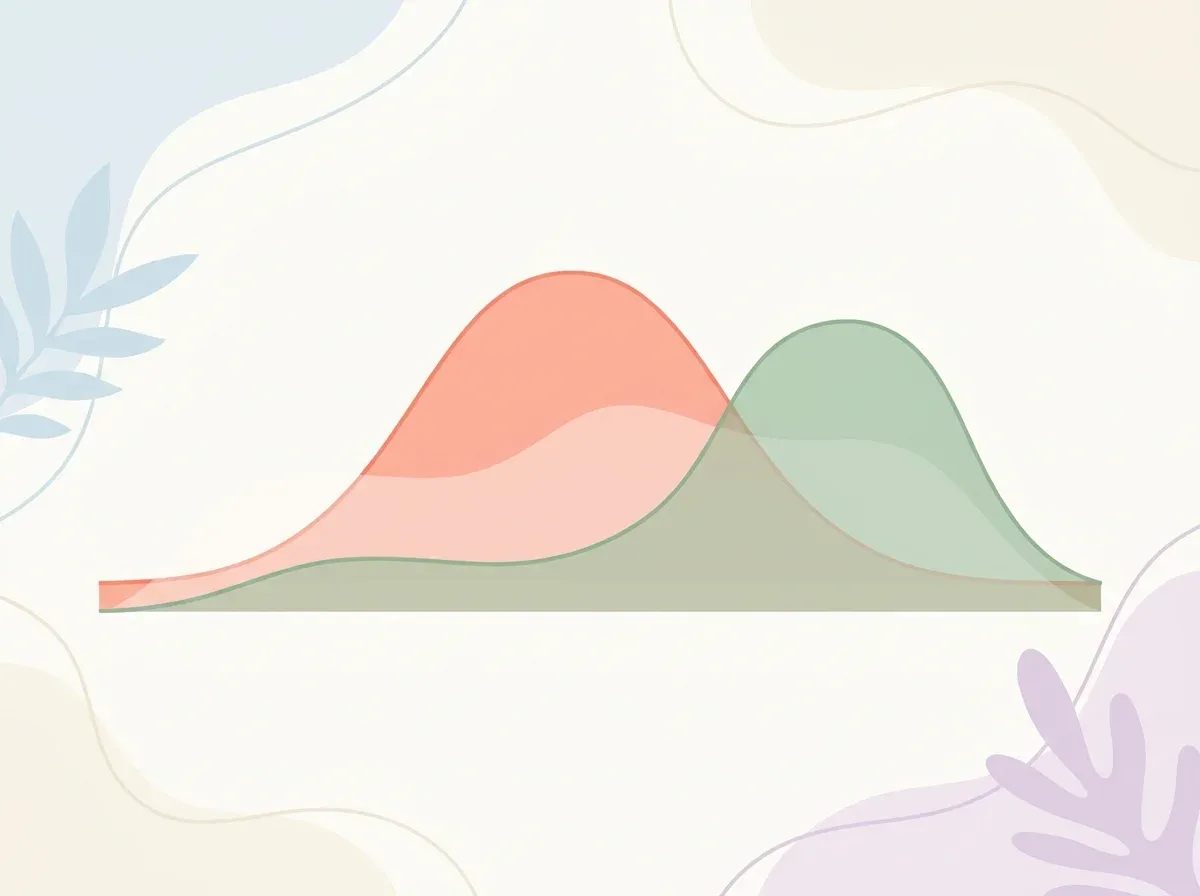
The luteal phase is the second half of your menstrual cycle — the period between ovulation and your next period. In a healthy cycle, this phase lasts 12-14 days. Progesterone is the dominant hormone during this time, and the length and quality of your luteal phase directly reflects your progesterone levels.
A short luteal phase (less than 10 days) is one of the most common signs of low progesterone. If your luteal phase is too short, the uterine lining doesn't have enough time to mature properly, and a fertilised egg may not be able to implant. I wrote more about this in my article on <a href='/short-luteal-phase/'>short luteal phase</a>.
I tell my clients to track their luteal phase length carefully. If you know your ovulation day (from OPKs or temperature tracking), count the days from ovulation to the first day of your next period. Do this for at least three cycles to get a reliable picture.
A few things to know:
- Some women naturally have a 10-day luteal phase and conceive without issue — it's not always a problem
- A luteal phase shorter than 10 days consistently across multiple cycles is worth investigating
- Spotting before your period arrives (premenstrual spotting) can also indicate low progesterone
- Your luteal phase length should be fairly consistent month to month — if it varies by more than 2-3 days, something may be off
Signs and Causes of Low Progesterone
In my experience, low progesterone is both over-diagnosed (by well-meaning women on TTC forums) and under-diagnosed (by GPs who don't test it routinely). Here are the signs I look for:
Signs
- Short luteal phase (under 10 days)
- Spotting for several days before your period
- Repeated early miscarriages (before 6 weeks)
- Irregular or absent periods
- Low basal body temperature during the luteal phase (below 36.5°C)
- Severe PMS symptoms — mood swings, breast tenderness, bloating
Causes
- Anovulation — if you don't ovulate, you don't produce progesterone from the corpus luteum
- PCOS — irregular ovulation means inconsistent progesterone production
- Thyroid disorders — both hypothyroidism and hyperthyroidism can suppress progesterone
- Stress — cortisol and progesterone are made from the same precursor (pregnenolone). Chronic stress can literally steal your progesterone raw materials. See my article on <a href='/stress-and-fertility/'>stress and fertility</a> for more on this
- Age — progesterone production naturally declines as egg quality and ovarian reserve decrease
- Elevated prolactin — high prolactin levels suppress ovulation and therefore progesterone
- Luteinised unruptured follicle (LUF) — the follicle produces some progesterone but not enough because the egg wasn't released
The Day 21 Progesterone Test Explained
The Day 21 progesterone test is the standard screening tool for checking whether you've ovulated and whether your progesterone levels are adequate. Despite the name, it shouldn't always be done on Day 21 — this is a common source of confusion.
Here's how it actually works:
- The test should be done approximately 7 days after ovulation — this is when progesterone peaks
- If you ovulate on Day 14, then Day 21 is correct. But if you ovulate on Day 18, you should test on Day 25
- A result above 5 ng/mL confirms ovulation occurred
- A result above 10 ng/mL is generally considered adequate for supporting implantation
- Results below 5 ng/mL may indicate anovulation or a weak ovulation
- Some clinics consider anything above 30 nmol/L (about 9.4 ng/mL) as adequate — the threshold varies
I always tell my clients: one Day 21 test is a snapshot. Progesterone fluctuates significantly throughout the day — it's released in pulses, not steadily. A single low reading doesn't necessarily mean you have a progesterone problem. Ideally, the test should be repeated across 2-3 cycles, or combined with ultrasound monitoring to confirm ovulation.
If your <a href='/fsh-levels/'>FSH levels</a> and other hormone tests are normal but your Day 21 progesterone is consistently low, your doctor may recommend progesterone supplementation or investigate the underlying cause.
Progesterone Supplements in Early Pregnancy
This is where the research has genuinely advanced in recent years, and where I get the most questions from clients. Should you take progesterone supplements in early pregnancy? The answer depends on your situation.
The PRISM trial, published by Coomarasamy et al. (2019) in the New England Journal of Medicine, was a landmark study. It followed over 4,000 women with early pregnancy bleeding and randomised them to receive progesterone pessaries or placebo. The key findings:
- Among women with previous miscarriages who had bleeding in early pregnancy, progesterone supplementation increased the live birth rate from 51% to 57%
- The benefit was greatest in women with three or more previous miscarriages — live birth rate increased from 44% to 72%
- For women with no previous miscarriage history, the effect was smaller and not statistically significant
- No significant safety concerns were identified
The ASRM and RCOG (Royal College of Obstetricians and Gynaecologists) now recommend offering progesterone supplementation to women with early pregnancy bleeding who have had one or more previous miscarriages. This is a meaningful shift from even 10 years ago, when progesterone supplementation in pregnancy was considered unproven.
Progesterone supplements typically come as vaginal pessaries (Utrogestan, Cyclogest) or sometimes as injections. Your fertility specialist or early pregnancy unit will advise on dosage and duration — usually from the time of positive pregnancy test until 12-16 weeks.
Can You Support Progesterone Naturally?
This is where I need to be really honest, because I see a lot of misleading information online. The short answer: you can support progesterone production through lifestyle and nutrition, but if your levels are genuinely low, natural approaches alone are usually not enough.
That said, here are the evidence-based strategies I recommend alongside medical treatment:
Manage stress
Cortisol and progesterone are both made from pregnenolone. When your body is chronically stressed, it prioritises cortisol production — a phenomenon sometimes called the "pregnenolone steal." Reducing stress doesn't just feel good; it frees up the raw materials your body needs for progesterone.
Ensure adequate vitamin B6
B6 supports liver metabolism of oestrogen and has been associated with improved luteal phase length in some studies. Foods rich in B6 include chickpeas, salmon, bananas, and potatoes. I recommend checking your B6 status if you're concerned about progesterone.
Maintain healthy zinc levels
Zinc is involved in the production of FSH and LH, which drive ovulation — and ovulation is the prerequisite for progesterone production. Good sources include pumpkin seeds, oysters, and red meat.
Prioritise sleep
Sleep is when your body regulates hormones. Poor sleep increases cortisol, which directly competes with progesterone production. Seven to nine hours of quality sleep is non-negotiable for hormonal health.
Supplements like vitex (chaste tree berry) are often recommended for progesterone support. There is some evidence it may work by acting on the pituitary to increase LH, which stimulates the corpus luteum. However, the research is limited, and vitex can interact with hormonal medications. Please discuss it with your doctor before taking it.
🌿 Dani Recommends
Luteal Phase Walking
During your luteal phase (after ovulation), swap intense workouts for a 30-minute daily walk. High-intensity exercise during this phase raises cortisol, which directly competes with progesterone. Walking lowers cortisol, supports blood flow to the uterus, and keeps you moving without over-stressing your system. I do this every cycle. It's simple, free, and the research on cortisol reduction from walking is solid.
Frequently Asked Questions
What should my progesterone level be to get pregnant?
After ovulation, a progesterone level above 10 ng/mL (about 32 nmol/L) is generally considered adequate for supporting implantation. Levels above 5 ng/mL confirm ovulation occurred. However, because progesterone fluctuates throughout the day, a single reading isn't always reliable — your doctor may want to see consistent levels across multiple cycles.
How do I know if I have low progesterone?
The main signs are: a short luteal phase (under 10 days), spotting before your period, difficulty conceiving, or recurrent early miscarriages. The definitive test is a Day 21 progesterone blood test, timed 7 days after ovulation. Track your cycles for a few months first so you know when you're actually ovulating.
Can low progesterone cause miscarriage?
Yes, it can. Progesterone is essential for maintaining the uterine lining and preventing early pregnancy loss. The PRISM trial (Coomarasamy et al., 2019) showed that progesterone supplementation improved live birth rates in women with early pregnancy bleeding and a history of miscarriage. Low progesterone is one of the most treatable causes of recurrent early loss.
Does Day 21 testing really have to be on Day 21?
No — this is one of the most common misconceptions I see. The test should be done approximately 7 days after ovulation. If you ovulate on Day 16, test on Day 23. If you ovulate on Day 10, test on Day 17. Many women get misleading results because they test on the wrong day. Track your ovulation first, then time the test accordingly.
Can I take progesterone supplements without a prescription?
Progesterone supplements are prescription medications and should be taken under medical supervision. Over-the-counter "progesterone creams" are available but are not regulated for dosage or efficacy. Some contain negligible amounts of progesterone. If you suspect low progesterone, get tested properly and work with your doctor on an appropriate treatment plan.
Does stress really lower progesterone?
Yes. Both cortisol and progesterone are synthesised from the same precursor hormone, pregnenolone. When you're chronically stressed, your body prioritises cortisol production — this is sometimes called the "pregnenolone steal" or "cortisol steal." Managing stress through evidence-based techniques genuinely supports progesterone production. This is one of the reasons I always discuss <a href='/stress-and-fertility/'>stress and fertility</a> together.
When should I start taking progesterone in pregnancy?
If your doctor recommends progesterone supplementation, it's typically started after a positive pregnancy test and continued until 10-16 weeks of pregnancy, when the placenta takes over progesterone production. The standard treatment is vaginal progesterone (pessaries or gel) at a dose prescribed by your fertility specialist or early pregnancy unit.
⚕️ Medical Disclaimer
This article is for informational purposes only and does not constitute medical advice. Progesterone testing and supplementation should be discussed with your GP or fertility specialist. Do not start or stop progesterone supplements without medical guidance. If you are experiencing recurrent miscarriages, please seek referral to a specialist for comprehensive testing.
📚 Cite This Page
Dani, Fertilitys. "Progesterone and Fertility: What Low Progesterone Means for Getting Pregnant." Fertilitys.com, 17 Jul. 2026, https://fertilitys.com/progesterone-and-fertility/
References
- Coomarasamy, A. et al. (2019) 'A randomized trial of progesterone in women with bleeding in early pregnancy', New England Journal of Medicine, 380(19), pp. 1815-1824. (PRISM Trial)
- Csapo, A.I. et al. (1972) 'Progesterone deficiency and premature labour', British Medical Journal, 1(5793), pp. 137-140.
- American Society for Reproductive Medicine (2008) 'Progesterone supplementation during the luteal phase and in early pregnancy', ASRM Practice Committee Statement.
- Czyzyk, A. et al. (2017) 'Progesterone supplementation for the prevention of miscarriage', Cochrane Database of Systematic Reviews.
- National Guideline Alliance (2021) 'Ectopic pregnancy and miscarriage: diagnosis and initial management', NICE Guideline NG126.
- Santoro, N. and Neal, M. (2016) 'Progesterone and the luteal phase', in Yen & Jaffe's Reproductive Endocrinology, 7th edn, pp. 182-198.
Written by

Subscribe to Fertilitys
All my Free Resources. No spam. Unsubscribe anytime.