Very Low AMH: What to Do When Your Numbers Are Scary
Very low AMH does not mean you cannot get pregnant. AMH measures egg quantity, not quality. Evidence-based steps to support your fertility, including supplements, nutrition, and when to consider IVF.


Quick Answer
Very low AMH means your ovarian reserve is reduced, but it does NOT mean you cannot get pregnant naturally. AMH measures egg quantity, not egg quality. Multiple studies confirm that AMH does not predict natural conception rates. With targeted supplements, dietary changes, and sometimes IVF, many women with very low AMH have healthy pregnancies.
Key Takeaways
- AMH measures egg quantity, not quality — a low number does not mean your eggs are bad
- Iliodromiti et al. (2015) showed AMH does NOT predict natural conception rates in women trying to conceive
- Very low AMH (below 1 ng/mL or 7 pmol/L) makes IVF more challenging but does not rule it out
- Evidence-based supplements (CoQ10, vitamin D, DHEA) may support egg quality, though research is still developing
- My own AMH went from 3 to 6.43 — numbers are not destiny, and lifestyle changes can make a real difference
Table of Contents
If you have just been told your AMH is very low, I know exactly how that feels. I have been there. I remember sitting in my GP surgery being told my numbers were not great, feeling the floor fall away beneath me, and spending the next three weeks convinced my fertility was over.
It was not. And yours probably is not either.
This article is different from my others because this topic is personal. My own AMH journey shaped how I work with clients, and I want to share it with you — not as a fairy tale, but as proof that low AMH is not the sentence you think it is.
My AMH Story (Because It Is Relevant)
When I was 32, I had my AMH tested as part of a general fertility check. The result came back at 3 ng/mL. My GP said it was fine. But I knew enough to know that for a 32-year-old, that was on the lower side of normal. I was not trying to conceive at the time, but the number nagged at me.
Over the next 18 months, I made significant changes to my lifestyle and nutrition. I was not doing anything extreme — no crazy supplements, no restrictive diets. I focused on the fundamentals: sleep, stress management, nutrient-dense food, targeted supplementation, and reducing my toxic load.
When I tested again at 34, my AMH had risen to 6.43. My GP was surprised. I was not — because I had seen the same thing happen with my clients. AMH is not as fixed as many doctors believe. While it generally declines with age, lifestyle factors can influence it.
Now, I need to be honest here: I do not know exactly which change made the difference. It was likely a combination. And not every woman will see her AMH rise — some will continue to decline despite doing everything right. But the point is that the number you received today is not a life sentence. It is a starting point.
What Very Low AMH Actually Means
AMH (anti-Mullerian hormone) is produced by the small follicles in your ovaries. It gives an estimate of how many eggs you have left — your ovarian reserve. A very low AMH is generally defined as:
- Below 1.0 ng/mL (or below 7 pmol/L in UK measurements)
- Below the 5th percentile for your age group
- Some clinics consider anything below 1.5 ng/mL as low
Here is what very low AMH means:
- You have fewer eggs remaining than average for your age
- Your response to IVF stimulation may be lower (fewer eggs retrieved)
- Your window for natural conception may be shorter — it signals that time is less on your side
Here is what very low AMH does NOT mean:
- It does NOT mean your eggs are poor quality — that is a separate assessment
- It does NOT mean you cannot get pregnant naturally
- It does NOT mean you are infertile
- It does NOT predict your chance of natural conception — this is a crucial distinction
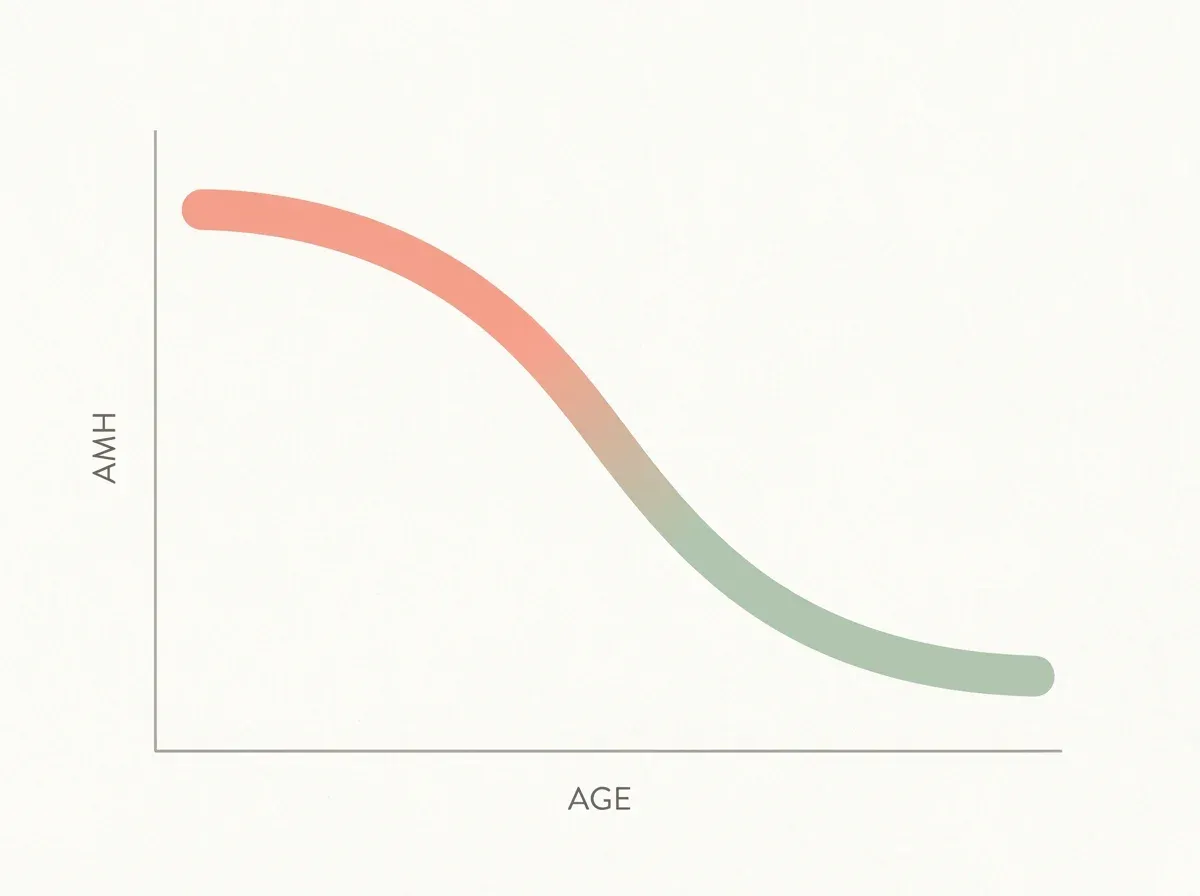
Ledger (2010) confirmed that AMH is a useful marker for predicting IVF response but is NOT a reliable predictor of natural fertility. This distinction is critical, and I feel it is not explained clearly enough to women receiving their results.
Can You Get Pregnant Naturally with Very Low AMH?
Yes. And the research backs this up definitively.
Iliodromiti et al. (2015) conducted a large prospective study and found that AMH levels did NOT predict natural conception rates in women trying to conceive. Women with very low AMH conceived at similar rates to women with normal AMH, provided they were ovulating regularly.
Tal and Seifer (2013) reviewed the evidence and concluded that AMH should not be used as a standalone predictor of natural fertility. The key factors for natural conception are: ovulation regularity, tubal patency, uterine health, and sperm quality — AMH does not tell you about any of these.
I tell my clients: if you are ovulating regularly (confirmed by tracking or blood tests), your AMH number does not reduce your monthly chance of conception. What it does indicate is urgency — with fewer eggs remaining, you have less time, so acting sooner rather than later is wise.
What You Can Do About It
This is the part I care about most. Whether your AMH is 0.5 or 1.2, there are evidence-based steps you can take to support your fertility.
CoQ10 (Ubiquinol)
The most promising supplement for egg quality. Bentov et al. (2014) showed that CoQ10 supplementation improved ovarian response and egg quality in women with diminished ovarian reserve. I recommend ubiquinol (the active form) at 200-600mg daily. It takes 3 months to see effects on egg quality, so start as soon as possible.
Vitamin D
Vitamin D deficiency is linked to lower AMH levels and poorer IVF outcomes. Multiple studies show that women with adequate vitamin D levels (above 30 ng/mL) have better fertility outcomes. Get your levels tested and supplement if needed — most adults in the UK are deficient, especially in winter.
DHEA
DHEA is a precursor hormone that some fertility specialists prescribe for women with diminished ovarian reserve. Wiser et al. (2010) showed that 6 weeks of DHEA supplementation before IVF increased the number of eggs retrieved. However, DHEA is not suitable for everyone and should only be taken under medical supervision.
Nutrition
A <a href="/fertility-diet-plan/">fertility-focused diet</a> rich in antioxidants, healthy fats, and whole foods supports overall egg health. Specific nutrients that matter for egg quality: omega-3 fatty acids (salmon, walnuts), folate (dark leafy greens), zinc (pumpkin seeds, oysters), and vitamin E (almonds, avocado).
Stress Management
I know I say this a lot, but it matters even more with low AMH. Chronic stress accelerates follicle depletion through elevated cortisol and oxidative stress. My article on <a href="/stress-and-fertility/">stress and fertility</a> covers the mechanism in detail.

For a complete guide to supplements, see my article on <a href="/low-amh-supplements/">low AMH supplements</a>.
When to Consider IVF
If your AMH is very low and you have been trying to conceive naturally for 6-12 months without success, it may be time to discuss IVF with a fertility specialist. Here is when I recommend my clients consider it:
- AMH below 0.5 ng/mL and age over 35 — the urgency is real
- Failed natural conception after 6 months with very low AMH — do not wait the standard 12 months
- You want more than one child — very low AMH means your window for a second child may be very narrow
- You want to preserve your options — egg freezing may be worth considering if your AMH is declining rapidly
A low AMH may mean a lower number of eggs retrieved per IVF cycle, which sometimes requires a different approach: mini-IVF, natural cycle IVF, or multiple back-to-back stimulation cycles to accumulate embryos. Your reproductive endocrinologist will tailor the protocol to your specific situation. See my <a href="/ivf-guide/">IVF guide</a> for more detail on what to expect.
The Emotional Side of a Low AMH Diagnosis
Receiving a low AMH result can feel like a death sentence for your fertility dreams. I have cried in my clinic after these conversations — both as a practitioner and as someone who has been on the receiving end.
The grief is compounded by the fact that AMH is a number. Numbers feel definitive. When your GP says your AMH is 0.8, your brain translates that to "you have 0.8 chances left." That is not what it means, but it feels that way.
I tell my clients what I wish someone had told me: a number is not your story. Your story includes your age, your overall health, your ovulation, your partner, your response to treatment, your resilience, and factors that no blood test can measure.
If you are struggling emotionally with your AMH result, please read my article on <a href="/coping-with-infertility/">coping with infertility</a>. You do not have to carry this alone.
Dani Recommends
The Egg Quality Breakfast
Every morning I eat: two eggs (scrambled or poached), a handful of walnuts, half an avocado, and a big handful of spinach sautéed in olive oil. The eggs provide choline and CoQ10, walnuts give omega-3s, avocado delivers vitamin E and healthy fats, spinach adds folate. I take my CoQ10 supplement with this meal. It takes 10 minutes to make, and it covers the key nutrients for egg quality in one sitting. I have eaten this almost every day for two years.
Frequently Asked Questions
Can AMH actually go up?
Yes, it can. AMH is not as fixed as many people believe. While it generally declines with age, lifestyle changes can influence the number. My own AMH rose from 3 to 6.43 over 18 months. Improvements in sleep, nutrition, stress management, and supplement use have been associated with AMH increases in some women. However, not everyone will see an increase, and severe DOR (AMH below 0.5) is less likely to reverse.
What is considered a very low AMH level?
Generally, an AMH below 1.0 ng/mL (7 pmol/L) is considered very low. Below 0.5 ng/mL is severely diminished. However, AMH must be interpreted in context — your age, your other hormone levels (FSH, AFC), and your overall health matter. A number alone does not tell the whole story.
Does low AMH mean early menopause?
Not necessarily. While low AMH is associated with an earlier menopause timeline, it does not predict when you will go through menopause. Some women with low AMH do not reach menopause until their late 40s or 50s. AMH is a snapshot of current ovarian reserve, not a menopause countdown.
Should I freeze my eggs if my AMH is very low?
If your AMH is declining rapidly and you are not ready to conceive, egg freezing may be worth discussing with a fertility specialist. Very low AMH means fewer eggs per collection cycle, so you may need multiple cycles. The earlier you act, the better — egg quality also declines with age, so sooner is better than later.
What supplements should I take for very low AMH?
The most evidence-based supplements are: CoQ10 (ubiquinol, 200-600mg daily), vitamin D (test first, supplement to optimal levels), omega-3 fatty acids, and a good-quality prenatal multivitamin. DHEA may be recommended by your specialist but should not be taken without medical supervision. See my full guide on <a href="/low-amh-supplements/">low AMH supplements</a>.
How often should I retest AMH?
Every 3-6 months if you are actively trying to conceive or making lifestyle changes. AMH can fluctuate and is affected by the contraceptive pill, recent illness, and testing methodology. Use the same lab for consistency. The trend matters more than any single result.
Is AMH the only test I need for fertility?
No. AMH is one piece of the puzzle. A complete fertility assessment should also include: FSH and oestradiol (Day 2-3 blood test), antral follicle count (AFC via ultrasound), thyroid function, prolactin, and your partner's semen analysis. AMH alone does not give you the full picture.
Medical Disclaimer
This article is for informational purposes only and does not constitute medical advice. AMH results should be interpreted by a qualified healthcare professional in the context of your full fertility assessment. Do not start supplements without consulting your GP or fertility specialist. If you have received a very low AMH result, please seek guidance from a reproductive endocrinologist.
Cite This Page
Dani, Fertilitys. "Very Low AMH: What to Do When Your Numbers Are Scary." Fertilitys.com, 29 Jul. 2026, https://fertilitys.com/very-low-amh/
References
- Ledger, W.L. (2010) 'Clinical utility of measurement of anti-Mullerian hormone in reproductive endocrinology', Journal of Clinical Endocrinology and Metabolism, 95(12), pp. 5144-5154.
- Tal, R. and Seifer, D.B. (2013) 'Ovarian reserve: current concepts and controversies', Current Opinion in Obstetrics and Gynecology, 25(3), pp. 161-168.
- Iliodromiti, S. et al. (2015) 'Anti-Mullerian hormone and fecundability: a prospective cohort study', Journal of Clinical Endocrinology and Metabolism, 100(8), pp. 3027-3034.
- Bentov, Y. et al. (2014) 'Coenzyme Q10 supplementation and oocyte aneuploidy in women undergoing IVF', Fertility and Sterility, 102(2), pp. 440-445.
- Wiser, A. et al. (2010) 'Addition of dehydroepiandrosterone (DHEA) for poor-responder patients before and during IVF treatment improves the pregnancy rate', Human Reproduction, 25(10), pp. 2496-2500.
Written by

Subscribe to Fertilitys
All my Free Resources. No spam. Unsubscribe anytime.