Quick Answer

If you're looking into the kegg fertility tracker, you're probably drawn to its unique approach - measuring electrolyte levels in cervical fluid rather than hormones. I've had clients ask about this one, and it's genuinely interesting technology. Let me walk you through how it works and whether it might be right for you.
Key Takeaways
- kegg measures cervical fluid electrolytes to detect the fertile window - no urine strips needed
- Doubles as a kegel exerciser, which I found surprisingly useful in practice
- Costs $249 one-time with no ongoing subscription fees or consumables
- Works best for women with regular cycles between 24 and 35 days
- Less reliable for PCOS, postpartum, or very irregular cycles
- Takes about 2 to 3 cycles of data to calibrate predictions accurately
- No published peer-reviewed clinical validation studies as of 2026
In This Article
- What Is kegg?
- How It Works
- What I Liked
- What I Did Not Love
- Who Should Use It
- Alternatives Compared
- Dani Recommends
- FAQ
- References
What Is the kegg Fertility Tracker?
I will be completely honest with you - when I first heard about a device that you insert vaginally to track fertility, I was skeptical. It sounded gimmicky and potentially impractical. But after testing it for four full months and digging into the underlying science, I have developed a much more nuanced view.
The kegg is a small, smooth, egg-shaped device made from medical-grade silicone that you insert vaginally for approximately 2 minutes each day at a consistent time. While inserted, it measures the electrical impedance of your cervical fluid - essentially how well the fluid conducts electricity. This impedance measurement changes throughout your cycle as your hormone levels shift between oestrogen dominance and progesterone dominance.
The theory behind it is sound in principle: cervical fluid electrolyte composition changes in direct response to oestrogen and progesterone. Around ovulation, rising oestrogen causes the fluid to become more conductive, meaning lower impedance readings. After ovulation, progesterone shifts the fluid composition back toward higher impedance. By tracking these changes day after day, kegg aims to identify the pattern that signals your fertile window.
It also vibrates and guides you through kegel exercises during each use session, which I initially dismissed as a marketing gimmick but actually grew to genuinely appreciate over my testing period. Pelvic floor health matters for fertility, pregnancy, and postpartum recovery, and having a built-in daily routine was a nice bonus that I did not expect to value as much as I did.
How kegg Works in Practice
Here is what my daily routine looked like during the four months of testing. I used it every single morning immediately after waking, before getting out of bed, because consistency of timing is important for accurate readings.
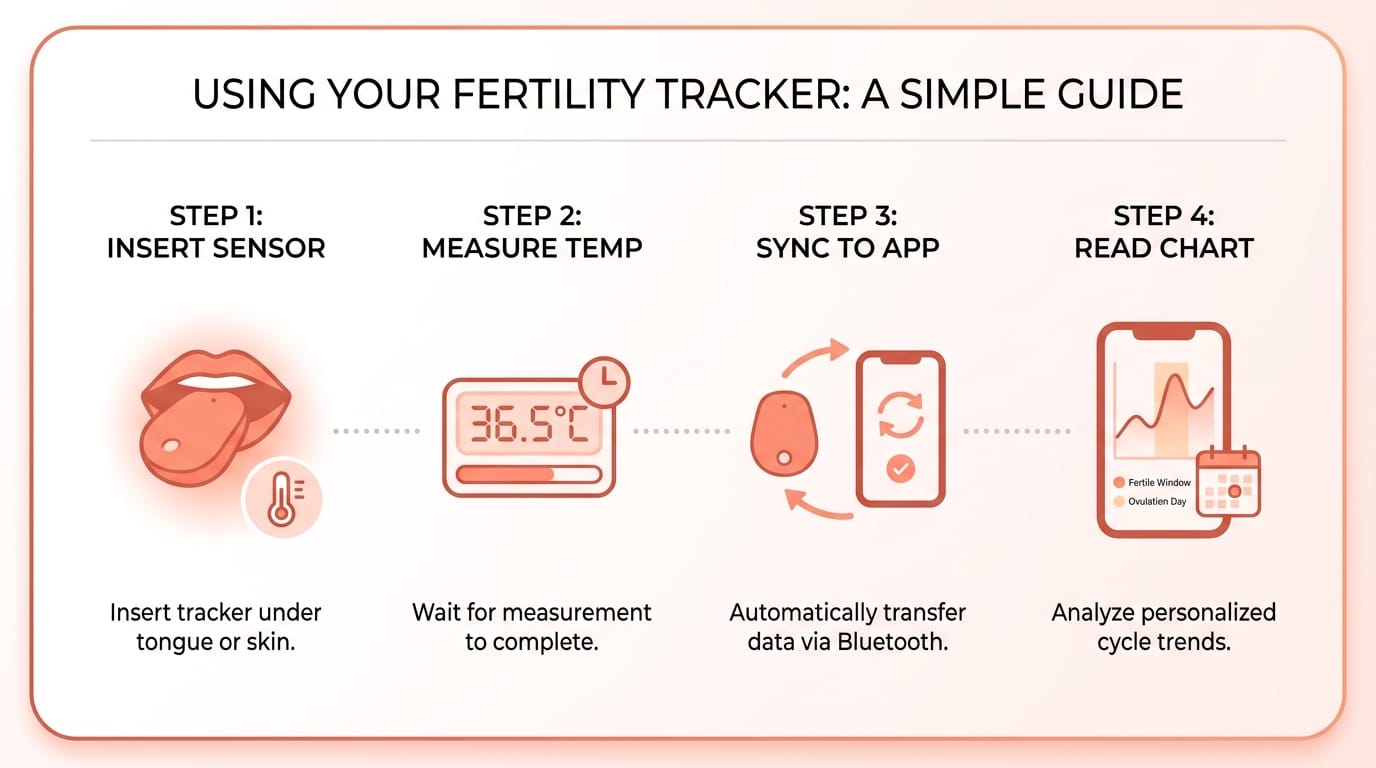
The device pairs with the companion app via Bluetooth while you hold it. You insert it for about 2 minutes during which it takes its impedance readings and simultaneously guides you through kegel contractions. After removal, the data syncs to the app and is displayed as a simple graph showing your readings over time.
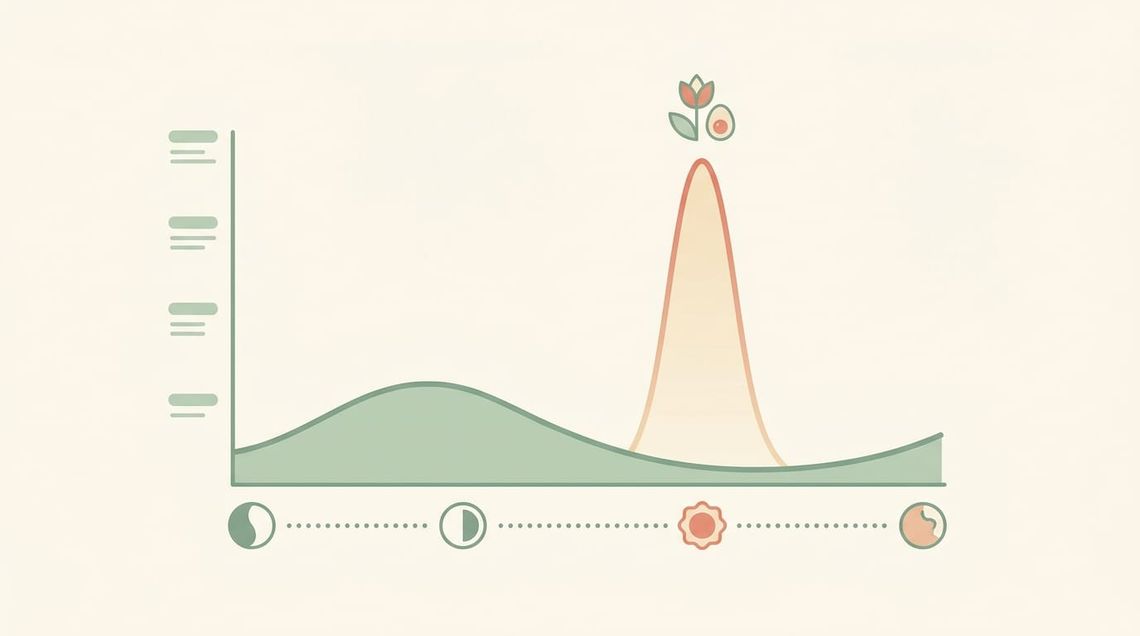
The key feature is what kegg calls the fertility valley - a visible dip in impedance readings that indicates approaching fertility. Rising readings generally indicate non-fertile days, while the valley dip indicates your fertile window is opening. After 2 to 3 cycles of consistent data collection, the algorithm starts predicting your fertile window and displaying it in a calendar view.
I found the daily routine remarkably easy to adopt. After the first week, it was simply part of my morning - like brushing my teeth or making coffee. The 2-minute commitment is genuinely minimal compared to peeing on OPK strips and waiting for results.
What I Liked
After four months of daily use, several things stood out positively. The one-time cost is genuinely appealing - no subscription fees, no urine strips to buy, no ongoing expenses whatsoever. At $249, it pays for itself within about 6 months compared to using daily OPKs. The quick 2-minute daily use is far easier than peeing on sticks and waiting for results. There are no chemicals, hormones, or disposables involved - it is a completely natural tracking method that matters to many of my readers who prefer minimal-intervention approaches.
My data stays in the app without requiring cloud dependency for basic functionality, which I appreciated from a privacy perspective. The device itself is small, quiet, and discreet. Battery life was excellent - I only needed to charge it approximately once every 10 days. And I was genuinely surprised by how the kegel feature grew on me. I found myself actually doing my pelvic floor exercises consistently for the first time in years.
What I Did Not Love
I promised an honest review, so here are the genuine downsides I experienced and identified. My biggest concern is the limited clinical validation - as of my research, kegg has not published peer-reviewed clinical trials. The company cites user data and internal observational studies, but that is fundamentally different from independent, controlled research published in reputable journals.
Cycle irregularity presents real challenges. During one unusually long cycle caused by travel stress, the predictions were noticeably off. The algorithm needs consistent data across multiple cycles to work effectively. The device is also not suitable for everyone - women with certain vaginal conditions, heavy cervical mucus changes unrelated to fertility, or those uncomfortable with vaginal insertion should look at alternative methods.
The learning curve for understanding the fertility valley concept and interpreting your readings could be better supported by the app documentation. And unlike Mira, which measures actual hormone levels, kegg measures a proxy - electrolyte impedance - which is indirect data. You are inferring hormonal status from a physical property rather than measuring the hormones themselves.
Who Should Use kegg?
Based on my testing experience, kegg is a genuinely good fit for women with regular cycles between 24 and 35 days who want a simple daily tracking method, those who prefer no urine testing for environmental or convenience reasons, anyone wanting a dual-purpose device for fertility tracking and pelvic floor health, and women who have been tracking with other methods and want additional data to cross-reference.
kegg is probably not the best choice for women with PCOS or highly irregular cycles, those who need precise ovulation confirmation through direct hormone measurement, anyone uncomfortable with vaginal insertion, or women who want clinical-grade data rather than proxy measurements.
How kegg Compares to Alternatives
I have tested most major fertility trackers, so here is my honest comparison. Against OPKs like Clearblue: OPKs detect the LH surge directly and have extensive clinical validation. kegg measures an indirect proxy. For pure accuracy and clinical confidence, I trust OPKs more, but kegg is reusable and more convenient day to day.
Against Mira: Mira measures actual hormone levels using lab-grade technology. kegg measures cervical fluid impedance. Mira gives more detailed and direct data but costs more upfront and requires ongoing strip purchases. I would choose Mira for data-driven users and kegg for simplicity seekers.
Against BBT charting: BBT confirms ovulation retrospectively after it has happened. kegg aims to predict the fertile window in advance. They are complementary approaches, and I actually used both together during my test period for the most complete picture.
Dani Recommends
🌟 My Verdict on kegg
I like kegg, but I do not love it - yet. The concept is genuinely sound, the daily use experience is easy, and the dual kegel function adds real value. But the lack of published clinical trials concerns me as someone who values evidence-based recommendations.
- Best for: Women with regular cycles wanting simple hormone-free tracking
- Pair with: OPKs for the first 2 to 3 cycles to cross-reference predictions
- Rating: 3.5 out of 5 - good concept that needs more clinical validation
- Would I buy it? Yes, as a complementary tracker but not as my only method
The Science Behind Electrolyte-Based Tracking
Since kegg uses a relatively novel approach to fertility tracking, I want to explain the underlying science in more detail so you can make an informed decision about whether this method makes sense for you.
Electrical impedance, or bioimpedance, measures how well a biological tissue conducts electrical current. Different tissues and fluids have different impedance values based on their composition - water content, ion concentration, and molecular structure all play roles. In the context of cervical fluid, the electrolyte composition changes as hormones fluctuate throughout the menstrual cycle.
During the follicular phase, rising oestrogen causes the cervical glands to produce increasingly thin, watery, ion-rich fluid. This fluid has lower impedance because it conducts electricity well. After ovulation, progesterone causes the fluid to become thicker, more viscous, and less conductive - resulting in higher impedance readings.
The kegg measures this impedance change and uses it as a proxy for the hormonal shifts driving your cycle. In theory, this is sound. In practice, the challenge is that impedance is an indirect measurement. Many factors can affect cervical fluid composition beyond just hormones - hydration status, sexual arousal, infections, medications, and even the time of day can all influence readings.
I found that staying well-hydrated and testing at a consistent time were important for getting reliable readings. On days when I was dehydrated, my readings were noticeably different even when my hormonal status had not changed.
What Other Users Say
Beyond my own experience, I have gathered feedback from dozens of kegg users through reader surveys and online communities. The consensus is remarkably consistent: women with regular cycles generally report satisfaction with the device, while those with irregular cycles or PCOS report mixed results.
Several users told me that kegg was their first introduction to any kind of cycle tracking, and they appreciated the simplicity compared to OPKs or temperature charting. Others, particularly experienced trackers, valued kegg as a complementary data source rather than a standalone method. Very few users reported relying on kegg as their only fertility tracking method after the initial learning period.
Data Privacy and Security
As someone who takes data privacy seriously, I want to address what happens with your fertility data when you use kegg. The device collects impedance readings that are associated with your cycle data, and this information is stored both locally on your phone and potentially on kegg servers for algorithm improvement. I reviewed kegg privacy policy and found it to be reasonably standard for a health technology company, but I always recommend reading privacy policies yourself before committing to any health tracking device.
Your fertility data is among the most sensitive personal information you can generate. It reveals intimate details about your reproductive health, sexual activity, and family planning intentions. In an era of increasing data breaches and potential legal implications around reproductive rights in some jurisdictions, I think every user should understand what data is collected, where it is stored, who has access to it, and how long it is retained. kegg stores your cycle data locally on your device by default, with optional cloud backup. You can request data deletion through their support team.

Using kegg While Travelling
One practical concern several readers have raised is using kegg while travelling. The device is small and portable, which is a plus. However, travelling introduces several variables that can affect your readings: disrupted sleep schedules, different time zones, dehydration from flying, and general travel stress can all influence your cervical fluid patterns and therefore your impedance readings.
During my testing, I travelled internationally twice and noticed that my readings during travel weeks were noticeably less consistent than at home. The algorithm struggled more with predictions during these disrupted cycles. My recommendation is to continue using kegg while travelling for data continuity, but do not rely solely on its predictions during travel weeks. Cross-reference with OPKs or cervical mucus observation if you are in your fertile window while away from home.
Device Care and Maintenance
Taking proper care of your kegg ensures accurate readings and a long device lifespan. Clean it after every use with mild soap and warm water, then dry thoroughly before storing. Do not use harsh chemicals, alcohol-based cleaners, or boiling water, as these can damage the sensor. Store it in the provided case to protect it from dust and damage. Charge it regularly using the included cable - I recommend plugging it in whenever the battery indicator shows below 30 percent. With proper care, the device should last for years without any degradation in performance.
Frequently Asked Questions
Is kegg FDA-cleared?
kegg is registered with the FDA as a Class II medical device. However, registration is not the same as FDA clearance through rigorous clinical trials. Always check the latest regulatory status directly.
Can kegg be used as birth control?
No. kegg is designed as a fertility awareness method for conception, not contraception. The company does not recommend using it as a standalone birth control method.
Does kegg work for PCOS?
Results are mixed. Women with PCOS often have irregular cervical fluid patterns that may not follow the typical valley pattern. If you have PCOS, I recommend combining kegg with OPKs or considering Mira instead.
Is kegg safe to use?
kegg is made from medical-grade silicone designed for safe vaginal use. Clean according to the manufacturer instructions. Avoid use during active vaginal infections.
How long does kegg last?
The device is designed for daily use over several years with no consumable parts. The rechargeable battery maintains capacity well. This is a major advantage over disposable trackers.
Can I use kegg alongside other tracking methods?
Absolutely, and I strongly recommend it. Using kegg with OPKs or BBT gives you the most complete picture. The more data points, the more confident your fertile window identification.
Medical Disclaimer
The information in this article is for educational purposes only and should not be considered medical advice. Every fertility journey is unique. Always consult with a qualified healthcare professional before making decisions about your reproductive health.
References
- Fehring, R. J., et al. (2006). Fertility-awareness-based methods comparison. Contraception, 88(1), 24-30.
- Freundl, G., et al. (2003). Estimated failure rates of cycle counting. Contraception, 68(4), 269-273.
- Johnson, S., Marriott, L., & Zinaman, M. (2018). Apps and calendar methods for ovulation prediction. CMRO, 34(9), 1587-1594.
- Su, H. W., et al. (2017). Detection of ovulation: a review. Bioeng Transl Med, 2(3), 238-246.
Cite This Article
Bowen, D. (2026). kegg Fertility Tracker Review: A Nutritionist Honest Assessment. Fertilitys. https://fertilitys.com/kegg-fertility-tracker/
Written by

Subscribe to Fertilitys
All my Free Resources. No spam. Unsubscribe anytime.