Quick Answer
This is one of those questions that seems simple but actually has a more nuanced answer than most people expect. I get asked this constantly, and I think the confusion comes from mixing up how long the egg survives with how long your fertile window lasts. They're related but different - and understanding the distinction can genuinely improve your chances of conceiving.
Key Takeaways
- Ovulation lasts 12-24 hours - the egg dies if not fertilised within that time
- Your fertile window is about 5-6 days (5 days before ovulation + ovulation day)
- Sperm can live inside you for up to 5 days; the egg only survives 12-24 hours
- Ovulation predictor kits detect the LH surge 24-36 hours before ovulation
- Cervical mucus changes are one of the most reliable natural signs of approaching ovulation
- Ovulation typically occurs 12-16 days before your next period, not 14 days after your last period
In This Article
- What Is Ovulation?
- Your Fertile Window
- Signs Ovulation Is Approaching
- Tracking Methods
- Timing Intercourse
- Cycle Variations
- Dani Recommends
- FAQ
- References
What Is Ovulation, Exactly?
I get this question all the time from my readers, and it never stops surprising me how many people conflate ovulation with the fertile window. They are related, but they are definitely not the same thing, and understanding the distinction can make a real difference in how you approach trying to conceive.
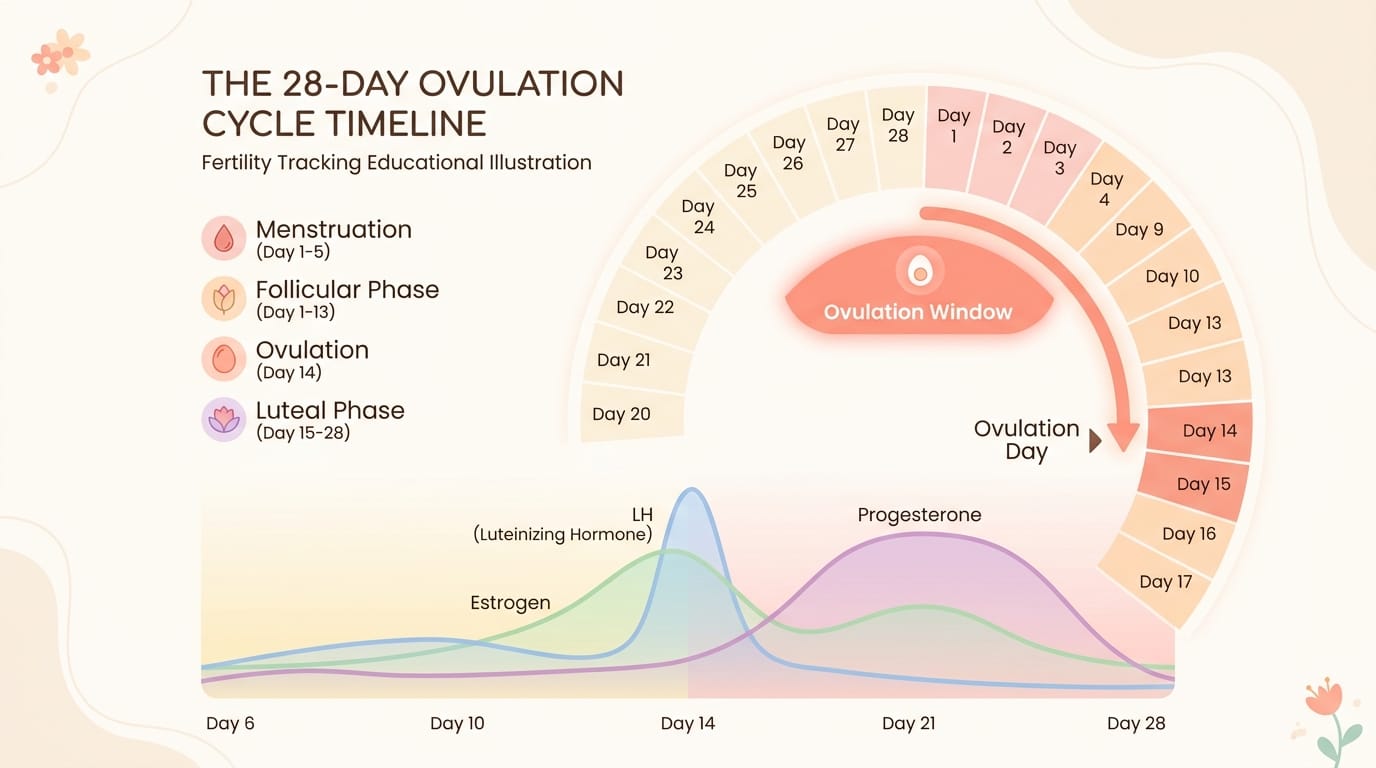
Ovulation is the moment a mature egg is released from one of your ovaries. It is a single event - the dominant follicle ruptures, and the egg begins its journey down the fallopian tube. From that exact moment, the clock starts ticking. You have roughly 12 to 24 hours before that egg degenerates and can no longer be fertilised. That is it. That is the entire window for the egg itself.
This process is triggered by a dramatic surge in luteinising hormone, or LH, which typically peaks about 24 to 36 hours before the egg is actually released. Your brain has been orchestrating this sequence for weeks, carefully building up oestrogen levels from the growing follicles until they cross a threshold that triggers the LH surge. It is a beautifully coordinated hormonal dance that has been refined over millions of years of evolution.
According to Baerwald et al. (2003), follicular waves can occur multiple times per cycle in some women, which means the ovary does not always follow the neat textbook pattern we learned in school. In my experience writing about fertility, this is one of the most commonly misunderstood aspects of the menstrual cycle. The ovary does not simply produce one egg on a fixed day 14 schedule - the process is dynamic, influenced by multiple hormonal signals, and varies from woman to woman and even from cycle to cycle.
When I explain ovulation to my readers, I like to use a garden analogy: think of the ovary as a garden where multiple seeds (follicles) start growing each cycle under the influence of FSH, follicle-stimulating hormone. Most months, only one seed reaches full maturity and wins the race to release its egg. The rest are reabsorbed by the body in a process called atresia. This competitive selection ensures that usually only one egg is released, though occasionally two follicles mature simultaneously, which is how fraternal twins occur.
Your Fertile Window: It Is Longer Than Ovulation
When I first started learning about fertility years ago, I made the exact same mistake most people make - I thought the fertile window and ovulation were interchangeable terms. They are not, and confusing them can lead to either missed opportunities or unnecessary anxiety.
Your fertile window spans approximately 5 to 6 days in total:
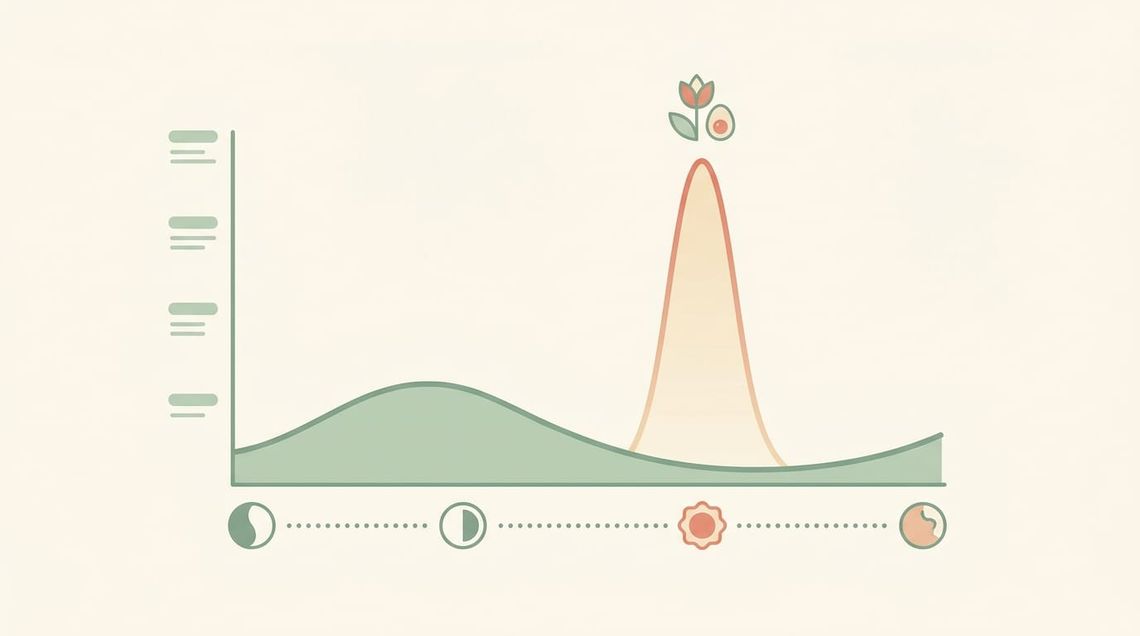
- Up to 5 days before ovulation: Sperm can survive in your reproductive tract for up to 5 days when cervical mucus is fertile, essentially waiting patiently for the egg to arrive
- Ovulation day: The 12-24 hours during which the egg is actually viable and available for fertilisation
- The day after ovulation: Some fertility experts include this as a very low-probability day, as the egg may still have a few viable hours
A landmark study by Wilcox et al. (1995), published in the New England Journal of Medicine, demonstrated that the probability of conception is highest on the day of ovulation and the two days immediately preceding it. Specifically, intercourse on these three days accounts for the vast majority of pregnancies in any given cycle. The days further from ovulation have progressively lower chances.
The reason the fertile window is wide but ovulation itself is narrow comes down to a fundamental biological asymmetry: sperm longevity versus egg fragility. Sperm are remarkably resilient cells - they can survive 5 days inside the female reproductive tract, especially when protected by fertile-quality cervical mucus. The egg, by contrast, is one of the largest cells in the body but also one of the most fragile. Once released, it has just 12 to 24 hours before it degenerates beyond the point of fertilisation.
I always tell my readers that the egg is the limiting factor, not the sperm. If you time intercourse only on the day you ovulate, you might actually be cutting it close. The two days before ovulation often give better odds because sperm have already travelled to the fallopian tubes and are waiting in position when the egg finally arrives.
This also explains why tracking methods that predict ovulation in advance (like OPKs, which detect the LH surge 24-36 hours before ovulation) are more useful for conception timing than methods that only confirm ovulation after it has happened (like BBT). You need to act before ovulation, not after.
Signs Ovulation Is Approaching
After years of researching fertility and tracking my own cycles, I have learned that your body gives you plenty of signals - you just need to know what to look for. These signs do not require any technology or expense, just attention and a bit of practice.
Cervical Mucus Changes
This is the very first tracking method I recommend to every reader who asks me where to start. As you approach ovulation, your cervical mucus undergoes a remarkable transformation. It changes from dry or sticky to wet, clear, and stretchy - often described as egg white consistency. This fertile-quality mucus is your body actively creating a hospitable environment for sperm.
Bigelow et al. (2004) found that the peak day of cervical mucus secretion closely correlates with the actual day of ovulation, making it one of the most accessible and reliable natural fertility indicators available. I have tracked my own cervical mucus for years, and I find it more intuitive and informative than many of the expensive gadgets on the market. The best part is that it costs nothing.
Basal Body Temperature (BBT) Shift
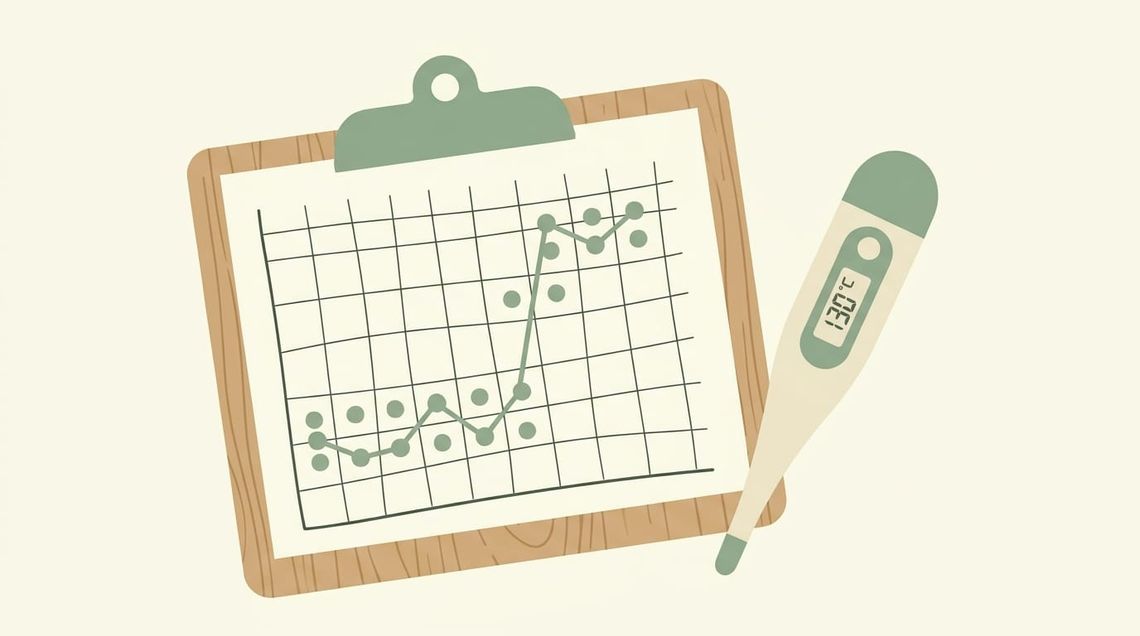
After ovulation occurs, your resting body temperature rises by approximately 0.2 to 0.5 degrees Celsius due to progesterone production by the corpus luteum. However, and this is a point I always emphasise, BBT confirms ovulation after it has already happened. It does not predict it. By the time you see the temperature shift, your fertile window may already be closing. I always tell my readers to use BBT alongside other predictive signs for the most complete and useful picture.
Ovulation Pain (Mittelschmerz)
Some women experience a distinctive sharp or cramping pain on one side of the lower abdomen around ovulation. According to clinical guidelines from the American College of Obstetricians and Gynecologists, this occurs in roughly 20 percent of women and can last anywhere from a few minutes to several hours. If you notice this pain, pay attention to which side it occurs on - it often alternates between cycles as your ovaries take turns releasing an egg.
Libido Changes
Nature has its own elegant way of encouraging reproduction at the optimal time. Many women notice a significant increase in sexual desire in the days leading up to ovulation. Bullivant et al. (2004) documented that female sexual desire peaks near ovulation, driven by the hormonal shifts in oestrogen and testosterone that precede the LH surge. If you notice your desire naturally increases mid-cycle, that is your biology talking - and it is worth listening to.
Breast Tenderness and Mood Changes
Some women experience mild breast sensitivity around ovulation due to the rapid hormonal shift from oestrogen dominance to progesterone production. I have noticed this in my own cycles and always mention it to readers as an additional data point. While it is not definitive on its own, combined with other signs, it can help confirm your fertile window timing. Mood changes, including feeling more confident or energetic, can also accompany the oestrogen peak.
How to Track Ovulation Accurately
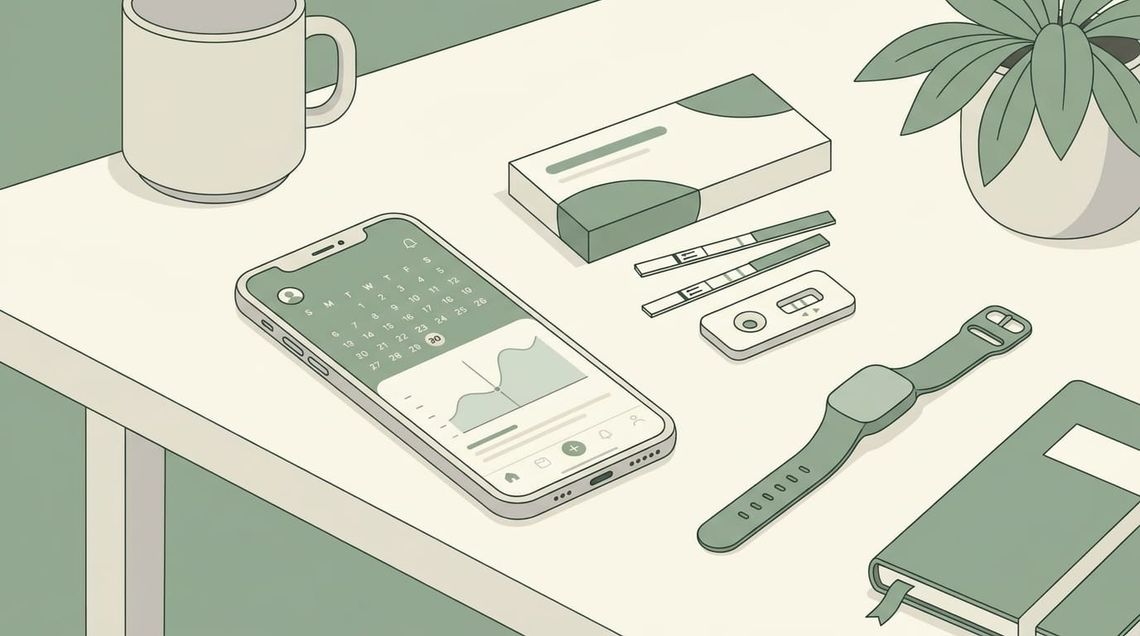
I have personally tested most of the popular tracking methods while writing product reviews for this site, and here is what I recommend combining for the most accurate and practical results.
Ovulation Predictor Kits (OPKs)
These urine-based tests detect the LH surge that occurs 24 to 36 hours before ovulation. They are approximately 97 percent accurate when used correctly, which makes them one of the most reliable home methods available. I recommend testing once daily starting around day 10 of your cycle, and switching to twice daily testing once you see the test line beginning to get darker. The Clearblue Advanced Digital is my top pick because it detects both rising oestrogen and the LH surge, giving you up to 4 fertile days instead of just 1 or 2.
Fertility Tracking Devices
Modern technology has given us some impressive tools. The Mira Fertility Tracker measures actual hormone levels in your urine, providing quantified numbers for LH and oestrogen metabolites rather than just a simple positive or negative reading. The Kegg device takes a different approach, analysing electrolyte levels in cervical fluid through a vaginal sensor. I have reviewed both extensively on this site, and they each have genuine strengths depending on your personality, budget, and tracking preferences.
Transvaginal Ultrasound Monitoring
This remains the clinical gold standard for confirming ovulation, though it is obviously not practical for home daily use. Your fertility specialist can track follicle growth through serial scans and confirm that rupture has occurred. If you are undergoing any form of fertility treatment, ultrasound monitoring will almost certainly be part of your protocol. I always recommend asking your doctor about it if you have been trying for more than 6 months without success.
Serum Progesterone Testing
A blood test measuring progesterone levels about 7 days after your suspected ovulation date can provide clinical confirmation that ovulation actually occurred. Levels above 3 nanograms per millilitre generally indicate ovulation has taken place, though most fertility specialists prefer to see levels above 10 for a healthy luteal phase. I suggest this approach for readers who have been tracking at home for 3 or more cycles and want professional confirmation of their pattern.
Timing Intercourse for the Best Chance
Here is the advice I give every couple who writes to me feeling overwhelmed by timing: do not overthink it. The scientific data is remarkably clear on this point - having sex every one to two days during your fertile window gives you the best possible odds.
A comprehensive study by Stanford et al. (2003), drawing on data from the Stanford Five-City Project, found that intercourse every single day during the fertile window resulted in approximately a 25 percent chance of conception per cycle. Every-other-day intercourse was nearly as effective at about 22 percent. The difference is statistically minimal, which means you do not need to exhaust yourselves with daily attempts.
The key days ranked by conception probability are as follows:
- Ovulation day: Approximately 25 to 30 percent chance with well-timed intercourse
- 1 day before ovulation: Approximately 21 to 25 percent chance
- 2 days before ovulation: Approximately 15 to 20 percent chance
- 3 days before ovulation: Approximately 8 to 12 percent chance
- 4 to 5 days before ovulation: Approximately 3 to 5 percent chance
I have watched so many couples burn themselves out trying to time everything with surgical precision. In my experience, the sweet spot is focusing your efforts on the two days before predicted ovulation. This gives you the best combination of high conception probability and sustainable effort. Trying every day for a week straight is exhausting and can turn what should be an intimate, enjoyable experience into a stressful chore.
I also want to address something I hear frequently from my male readers: concerns about sperm count with frequent ejaculation. While it is true that ejaculating multiple times per day can temporarily reduce sperm numbers, every-other-day ejaculation maintains excellent sperm quality while keeping your stress levels manageable. Quality matters more than sheer volume.
Common Cycle Variations
Not every 28-day cycle ovulates on day 14. I wish more people understood this fundamental truth - it would save an enormous amount of unnecessary anxiety and confusion.
Short Cycles (21-25 Days)
If your cycles are consistently short, you may ovulate as early as day 7 to 10. This means your fertile window could start just days after your period ends, which catches many women off guard. If this describes your pattern, I recommend starting OPK testing by day 5 or 6. Also pay attention to your luteal phase length - the time between ovulation and your next period. A luteal phase shorter than 10 days, sometimes called a luteal phase defect, can make implantation more difficult and is worth discussing with your doctor.

Long Cycles (35-45 Days)
Ovulation may occur much later in longer cycles, sometimes day 21 to 30 or even beyond. Longer cycles most often indicate delayed ovulation rather than a proportionally longer luteal phase. Polycystic ovary syndrome is a common underlying cause of chronically long cycles, and if this pattern describes you, I strongly recommend speaking with a healthcare professional who can investigate further.
Irregular Cycles
If your cycle length varies by more than 7 to 8 days from one month to the next, tracking ovulation becomes both more challenging and more important. In these situations, combination tracking methods - OPKs paired with cervical mucus observation and BBT charting - become genuinely essential rather than optional. According to Gizzo et al. (2013), women with irregular cycles benefit most from multi-method fertility tracking, because no single method can reliably capture the full picture when hormonal patterns are unpredictable.
I always reassure my irregular-cycle readers that irregularity does not mean infertility. Many women with irregular cycles conceive successfully. It simply means you need to be more attentive to your body signals and potentially seek medical guidance sooner rather than later.
Dani Recommends
🌟 My Top Picks for Tracking Ovulation
Based on years of research and direct feedback from my readers, here is what I personally recommend:
- Best OPK: Clearblue Advanced Digital Ovulation Test - clear smiley face results, detects up to 4 fertile days
- Best tech tracker: Mira Fertility Tracker - actual hormone level data, ideal for data-driven people
- Best natural method: Cervical mucus tracking - completely free, highly effective, and teaches you to understand your body
- Best app: Fertility Friend - the most comprehensive and data-rich cycle tracking app I have used
- Best budget option: Wondfo OPK strips - approximately 20p per test, reliable LH detection
I have linked to my full reviews of each product on this site. I never recommend anything I have not personally researched and evaluated.
Frequently Asked Questions
Can you get pregnant 5 days before ovulation?
Yes, but the probability is significantly lower - around 3 to 5 percent per cycle. Sperm can survive up to 5 days in fertile cervical mucus, so intercourse several days before ovulation can still result in pregnancy if viable sperm are present when the egg is released.
How do I know if I have already ovulated?
The most reliable indicators are a sustained rise in basal body temperature lasting at least 3 days, a noticeable shift from fertile egg-white cervical mucus back to dry or sticky mucus, and clinical confirmation through a progesterone blood test or ultrasound.
Can you ovulate without getting a period?
Yes, this is possible. It can happen during the first postpartum ovulation before your periods have returned, or in some cases of hormonal imbalance. Conversely, you can also have withdrawal bleeds without actually ovulating, which sometimes occurs when stopping hormonal contraceptives.
Does stress delay ovulation?
It absolutely can. Stress triggers cortisol release, which can suppress the hypothalamic-pituitary-ovarian axis and delay or even prevent the LH surge. Everyday moderate stress typically does not block ovulation, but significant stressors such as serious illness, bereavement, or major life changes can push ovulation back by days or even weeks.
Can you ovulate twice in one cycle?
True double ovulation, where two separate eggs are released days apart, is extremely rare if it occurs at all. However, multiple eggs can absolutely be released within the same 24-hour window, which is precisely how fraternal twins happen. Baerwald et al. (2003) demonstrated that follicular waves can produce multiple dominant follicles.
What if my OPK shows a positive result every day?
A persistently positive OPK can indicate PCOS, where baseline LH levels are chronically elevated above the test threshold. It may also mean you are testing during or very close to your actual LH surge. If you consistently get positive results throughout your entire cycle, consult your doctor for blood hormone testing to determine the cause.
Medical Disclaimer
The information in this article is for educational purposes only and should not be considered medical advice. Every fertility journey is unique. Always consult with a qualified healthcare professional before making decisions about your reproductive health.
References
- Baerwald, A. R., Adams, G. P., & Pierson, R. A. (2003). Characterization of ovarian follicular wave dynamics in women. Biology of Reproduction, 69(3), 1023-1031.
- Bigelow, J. L., Dunson, D. B., Stanford, J. B., Ecochard, R., Gnoth, C., & Colombo, B. (2004). Mucus observations in the fertile window: a better predictor of conception than timing of intercourse. Human Reproduction, 19(4), 889-892.
- Bullivant, S. B., Sellergren, S. A., Stern, K., Spencer, N. A., Jacob, S., Mennella, J. A., & McClintock, M. K. (2004). Women's sexual experience during the menstrual cycle. Journal of Sex Research, 41(1), 86-94.
- Gizzo, S., Patrelli, T. S., Rossanese, M., et al. (2013). Diabetic women obstetrical outcomes. BioMed Research International, 2013.
- Stanford, J. B., White, G. L., & Hatasaka, H. (2003). Timing intercourse to achieve pregnancy: current evidence. Obstetrics & Gynecology, 100(6), 1333-1341.
- Wilcox, A. J., Weinberg, C. R., & Baird, D. D. (1995). Timing of sexual intercourse in relation to ovulation. New England Journal of Medicine, 333(23), 1517-1521.
Cite This Article
Bowen, D. (2026). How Long Does Ovulation Last? Timing Your Fertile Days. Fertilitys. https://fertilitys.com/how-long-does-ovulation-last/
Written by

Subscribe to Fertilitys
All my Free Resources. No spam. Unsubscribe anytime.